
The 5 Most Affectionate Dog Breeds

There are dogs that guard. There are those that herd flocks or retrieve game from the water. And then there are—and this is a separate category of creatures—those who are simply born to love.
No strings attached, no stipulations, no contract clauses. He just comes up to you, puts his head on your lap, and looks at you like you’re the center of the universe. And you know, after that look, you somehow immediately forget how hard the day was.
I’ve been observing dogs for a long time – both firsthand and through other people’s stories – and I’m always amazed at how differently they express affection.
Some wag their tails from afar. Others literally run up to you. Still others simply place their paw on your hand—quietly, almost unnoticed—and that says it all.
Today I want to talk about five breeds that, in my observations, are especially generous with affection.
Not because they are “programmed” – a dog is not a robot, and the character of each is formed by upbringing, environment, experience and the temperament of the specific animal.
But in these breeds, it seems to me, love for people is literally built into their very nature. Like a clockwork winding—only this winding never ends.
Pug: The Philosopher on the Couch Who Loves You More Than You Think
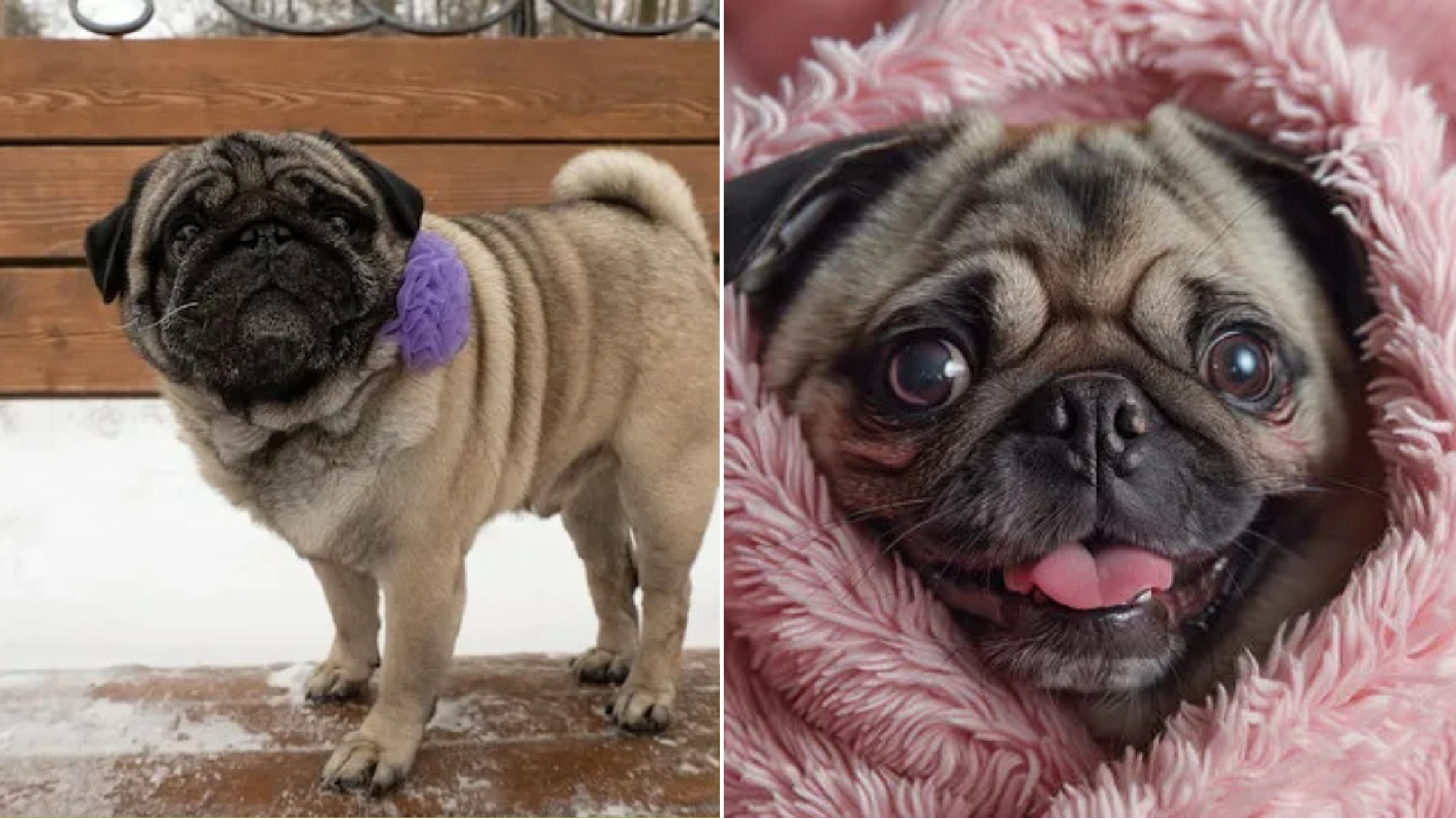
If a pug could talk, he’d probably say something like, “Why go anywhere when I can stay here with you and see life from the couch together?”
This breed has a history that dates back to imperial China. For centuries, pugs were kept at court as companion dogs—not for guarding, not for work, but for company.
And this centuries-old “specialization” is palpable. The pug doesn’t just sit next to you—he’s present. He watches you with his eyes, reacts to the tone of your voice, and nuzzles you when he senses you’re uncomfortable.
In my experience, pugs are incredibly sensitive to moods. If you’re upset, he’ll come and sit closer. If you’re laughing, he’ll hang around as if he’d just come up with a joke. This isn’t a coincidence—it’s the result of millennia of living side by side with humans.
Of course, every pug has its own personality. Some are more independent, while others literally won’t let you take a step. But overall, this is a breed that doesn’t do well alone and thrives on company. Any company: children, the elderly, cats, guests.
There’s a downside to this affection: stubbornness. A pug may look at you with genuine love and yet categorically refuse to obey a command it knows perfectly well.
Simply because today isn’t his day for obedience. But honestly, it’s actually kind of endearing. He’s a lively character, not a robot.
Another important point: the pug is brachycephalic, meaning it has a shortened muzzle, and this affects its health.
Heat, intense exercise, and long runs aren’t his thing. But quiet evenings spent cuddling are his thing.
Bichon Frise: A little white cloud with a huge heart
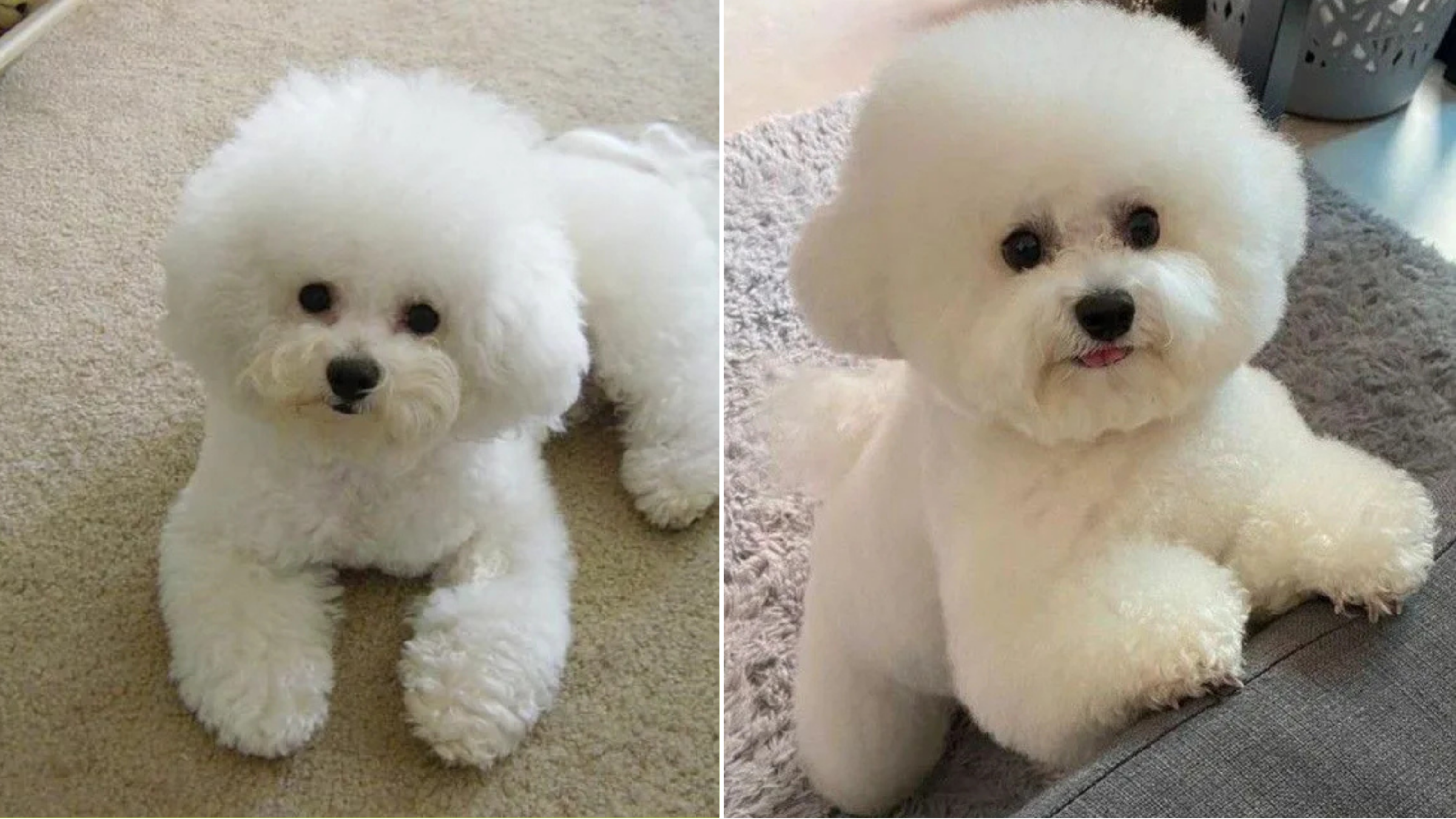
There are some dogs that make you just want to hug them. The Bichon Frise is one of them. Snow-white, fluffy, looking like either a toy or a cloud out for a walk.
This breed has a rather interesting history. Bichons were long favored by European aristocrats—they were depicted in portraits, carried on ships, and given as gifts to each other as a sign of affection.
Then, after revolutions and changing eras, the breed found itself on the streets—literally. And it survived precisely because of its character: Bichons had a knack for charming people so much that they couldn’t pass them by.
I think this story says more about the breed than any description in the catalog. The Bichon is a good friend. With children, with other animals, with guests, with random people on walks.
He’s sociable, cheerful, and almost never aggressive. At the same time, he’s not intrusive. He won’t jump on you (although that can happen, depending on his upbringing), but he’ll always be there when you need him.
Of course, not all Bichons are the same. Some are more reserved, and some aren’t particularly friendly with strangers. It all depends on the individual dog, its experience, and how it was raised from puppyhood.
A practical point worth knowing in advance: the Bichon’s coat requires regular grooming.
If left untreated, they’ll quickly turn into felt. Grooming, brushing, and trimming are all part of life with a Bichon. They shed minimally, which is a big plus for an apartment.
Another thing: Bichons don’t do well when left alone for long periods of time. If you spend a lot of time away from home, consider giving your dog company—another pet or at least a busy day before you leave.
Poodle (mini and toy): a genius who loves you with all his smart soul
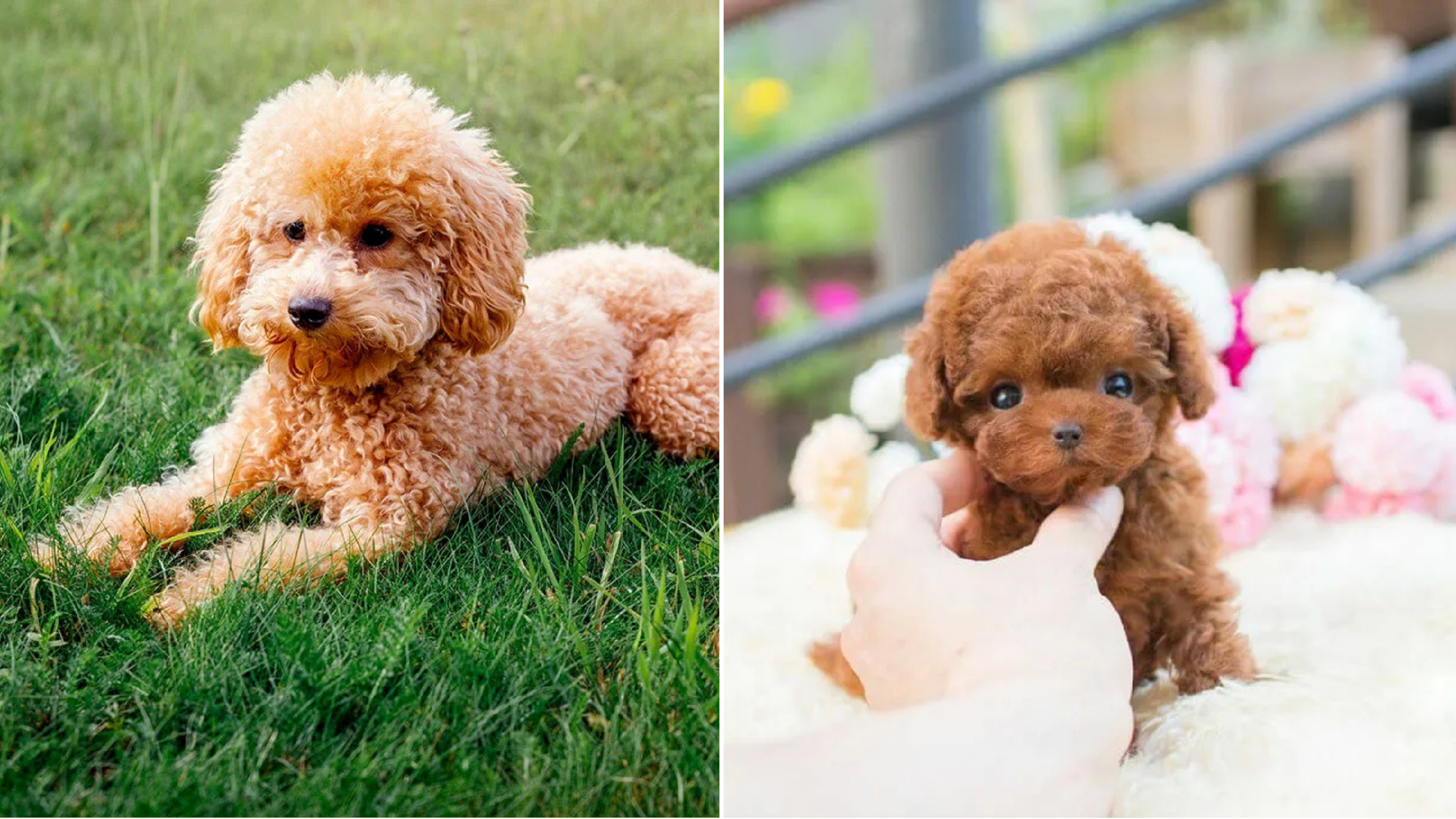
The Poodle is perhaps the most unfairly stereotyped breed in history.
Many people imagine something pompous, starched, and decorated with bows when they hear the word “poodle.” But in reality, this is one of the smartest and most emotionally sensitive dogs you’ll ever meet.
The poodle’s history doesn’t begin with beauty salons. It’s a hunting and water dog—active, resilient, with an excellent nose and the ability to work in a team with its human companion. Over the centuries, the poodle has learned to understand people—and that skill hasn’t gone away. It’s just that now, instead of ducks, it “hunts” for your attention and mood.
Poodles – especially mini and toy varieties – are incredibly sensitive to their owner’s emotions.
Perhaps it’s just my subjective impression of interacting with them, but it feels like they’re literally reading you. If you’re upset, the poodle will notice before you even realize it. If you’re happy, the poodle will immediately pick up on your mood.
At the same time, poodles love to learn. They’re that rare dog that learns not because they “have to,” but because they’re interested. Training with a poodle is almost an equal dialogue: they think, suggest, and respond. They’re very engaged partners.
One of the difficulties is that precisely because the poodle is smart and sociable, it needs stimulation.
A bored poodle can become inventive in the most unexpected ways. And yes, regular grooming is essential; it’s not an option, but a prerequisite for a dog’s comfortable life.
But when this fluffy intellectual lies down next to you and rests his head on your leg, all the difficulties somehow immediately fade into the background.
Cocker Spaniel: A joyful enthusiast with silky ears and endless love
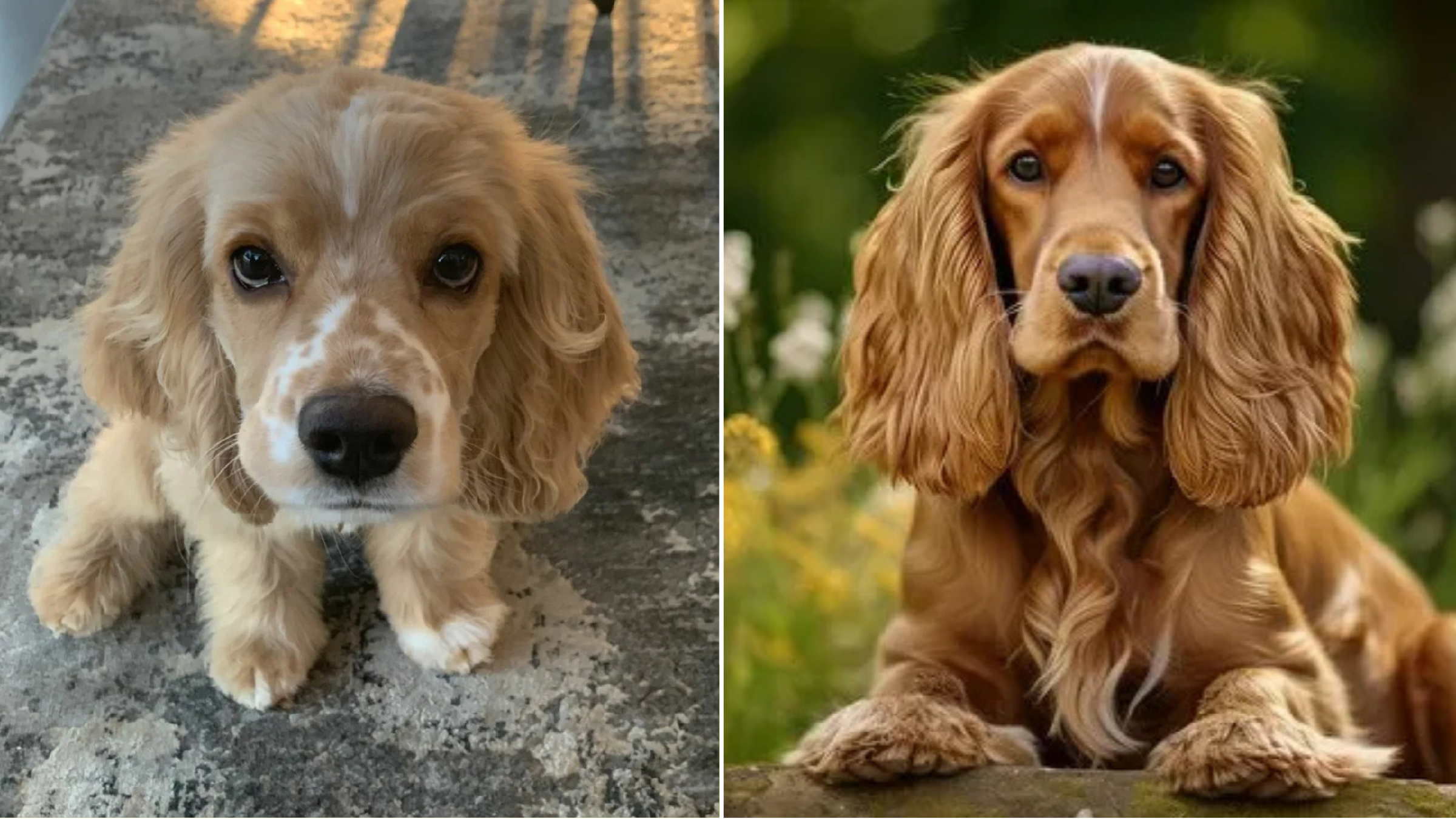
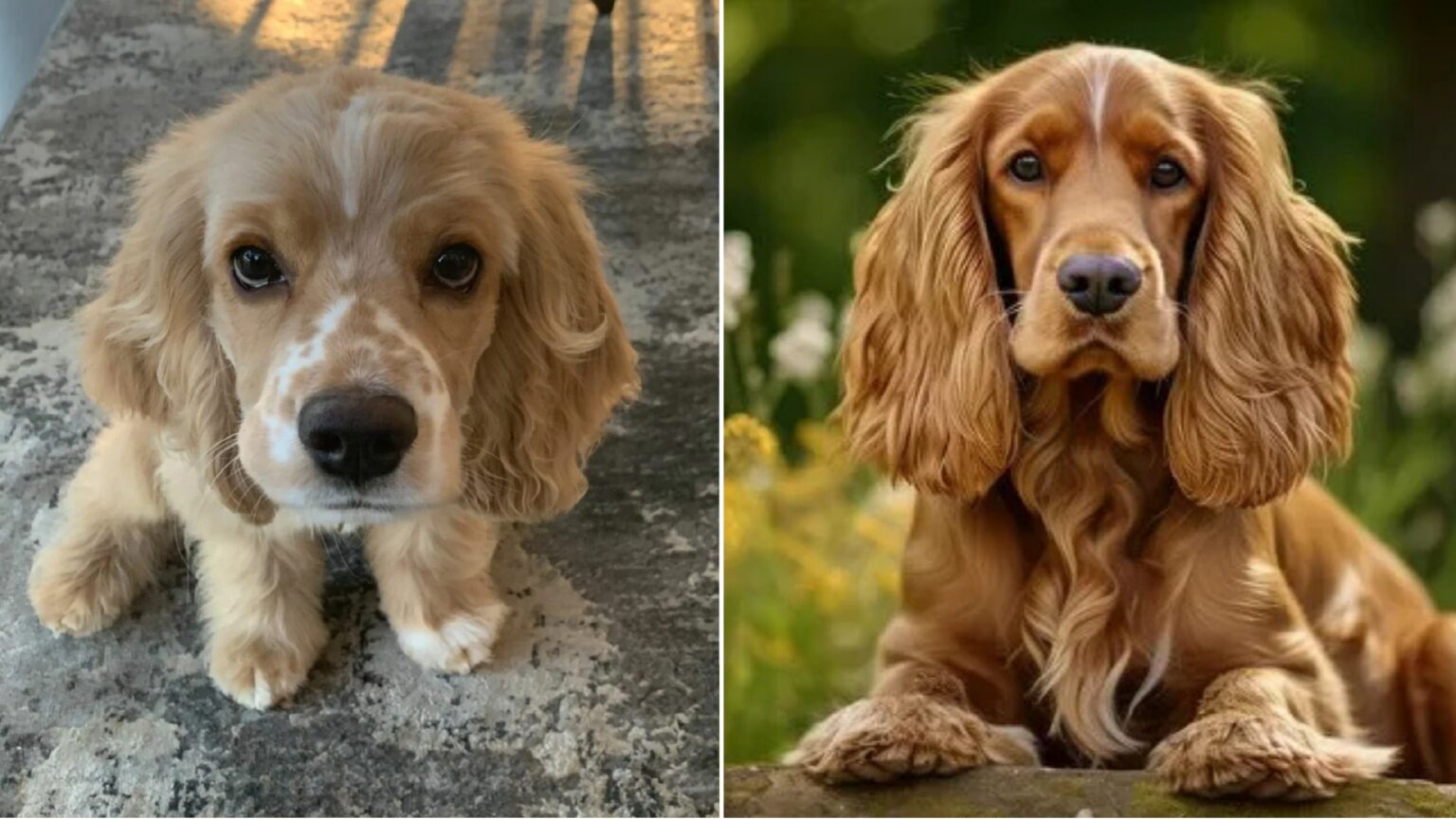
If a pug is a philosopher, a bichon is a socialite, and a poodle is an intellectual, then a cocker spaniel is pure, unadulterated joy. Lively, with a tail, and ears reaching to the ground.
The English Cocker Spaniel was originally a hunting dog—working in tandem with the hunter, flushing birds out of the bushes. This explains his abundant energy. But where does all this energy go in a domestic environment? That’s right: love for his owner.
In my observations, Cockers become very attached to their people. They’re not just happy to see you—they’re happy. Their whole body, their whole tail, their whole appearance. It’s such a genuine, simple joy that it involuntarily energizes you, too.
At the same time, cockers, as a rule, get along well with children – they are patient, gentle, and non-confrontational.
Many get along well with cats and other dogs. But, of course, this all depends on the individual dog and how it was socialized from puppyhood. This shouldn’t be taken as a guarantee, but rather as a general trend.
Things to consider: Cocker Spaniel dogs need walks. They’re not a couch potato—they need to move, sniff, and explore. A good walk will keep them calm and affectionate at home.
Without a walk, he may begin to realize his hunting nature right in the apartment, and this, believe me, is not a sight for the faint of heart.
Grooming is also important. The Cocker Spaniel’s long, silky ears are beautiful, but they require attention: regular brushing and ear canal checks are all part of life with this breed.
Japanese Spitz: A snow-white companion who looks at you like the sun
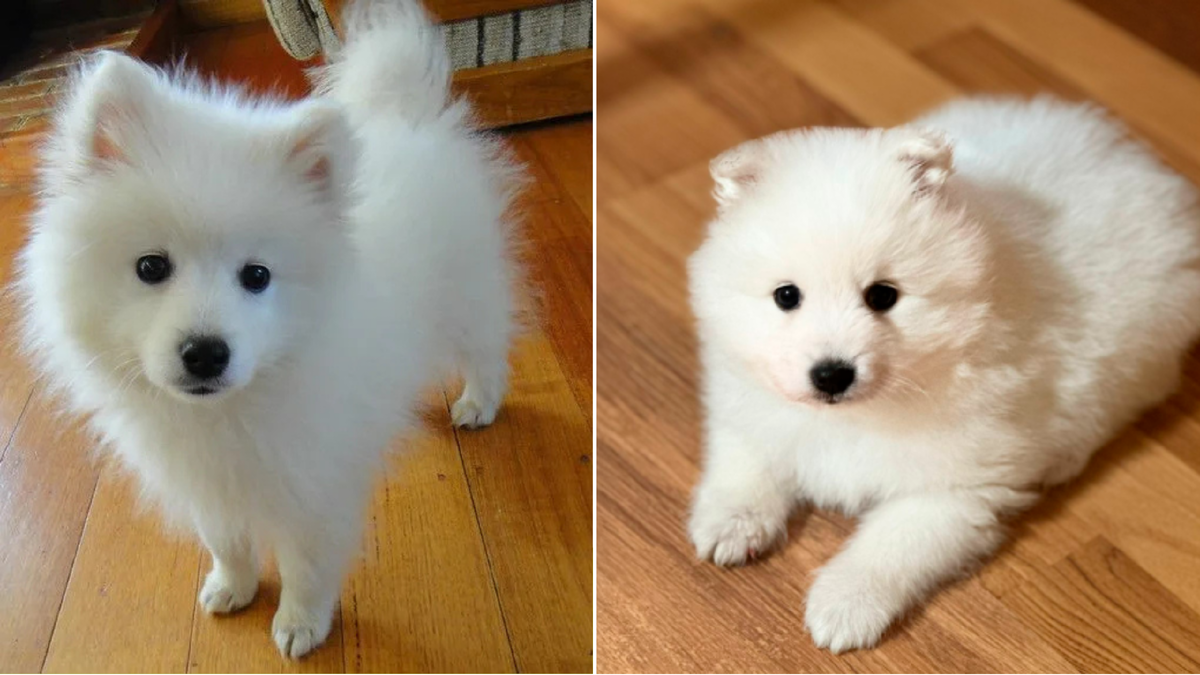
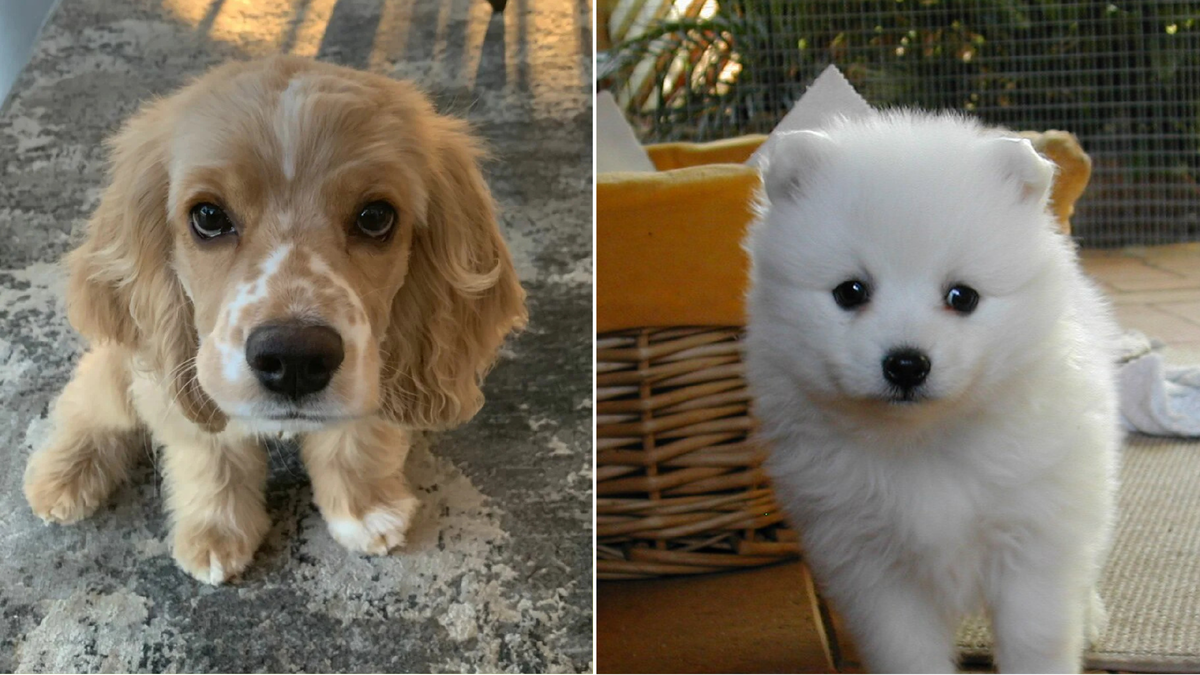
And finally, the Japanese Spitz. A breed that, frankly, many underestimate.
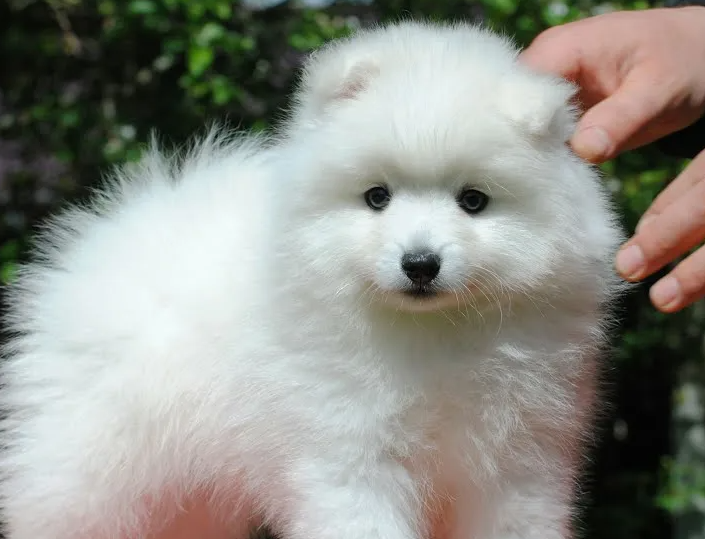
You look at him – snow-white, fluffy, like a small Samoyed. But inside, he has a personality that’s simply made for life alongside humans.
The Japanese Spitz is a relatively new breed. It was specifically bred in Japan in the 20th century as the ideal domestic companion. No hunting or herding duties—just being there, bringing joy, and creating a cozy atmosphere. And I believe the Japanese Spitz excels at this task better than many others.
They are cheerful, good-natured, and love to be the center of family life. At the same time, the Japanese Spitz is not clingy. Rather, he follows you like a quiet shadow: wherever you go, he follows. If you sit down to read, he’s right there. If you go to the kitchen, he’s right there. This isn’t a hyperactive demand for attention, but simply a desire to be a part of your life.
They can be wary of strangers—it’s important to understand this. A Japanese Spitz may bark at a stranger at the door, and this is a normal reaction for the breed. It’s not aggression, but rather vigilance.
With time and proper socialization, most of them are quite welcoming to visitors.
Snow-white fur is certainly beautiful. But it also comes with responsibility. It gets dirty easily and requires regular brushing and bathing.
Interesting fact: Japanese Spitz dogs have virtually no distinctive “doggy” odor—a fact noted by almost all their owners. A pleasant bonus for an apartment.
Loneliness is their weak point. Japanese Spitz are very attached to their owners and have a hard time with long periods of loneliness. If you spend a lot of time away from home, this is something to consider in advance.
And finally, about the most important thing
Do you know what all these breeds have in common? Not their appearance, size, or origin.
What unites them is that they know how to love—openly, without embarrassment, with complete dedication. And in return, they want roughly the same: your time, your attention, your presence.
But I want to make one important caveat: Breed is more of a probability than a guarantee.
Within each of these breeds, there are a wide variety of personalities: there are introverted Cockers, there are restless Pugs, and there are Bichons who are wary of strangers.
Every dog is a unique individual, with its own temperament, its own history, its own experiences. And how a dog grows up depends largely on us—on their upbringing, their environment, and the love and patience we invest in them.
So if you’re choosing a four-legged friend, don’t just focus on breed. Look at the individual dog—how they behave, how they react to you, how they look at you. Sometimes the most affectionate dog you’ll ever meet will be a mongrel from a shelter, just waiting for you.
Now I want to ask you: do you have a pet—or one of your friends’ pets—that one dog who can love you so much that it melts your heart? Tell us in the comments. I’m genuinely curious—what are the most affectionate dogs you’ve ever known?