

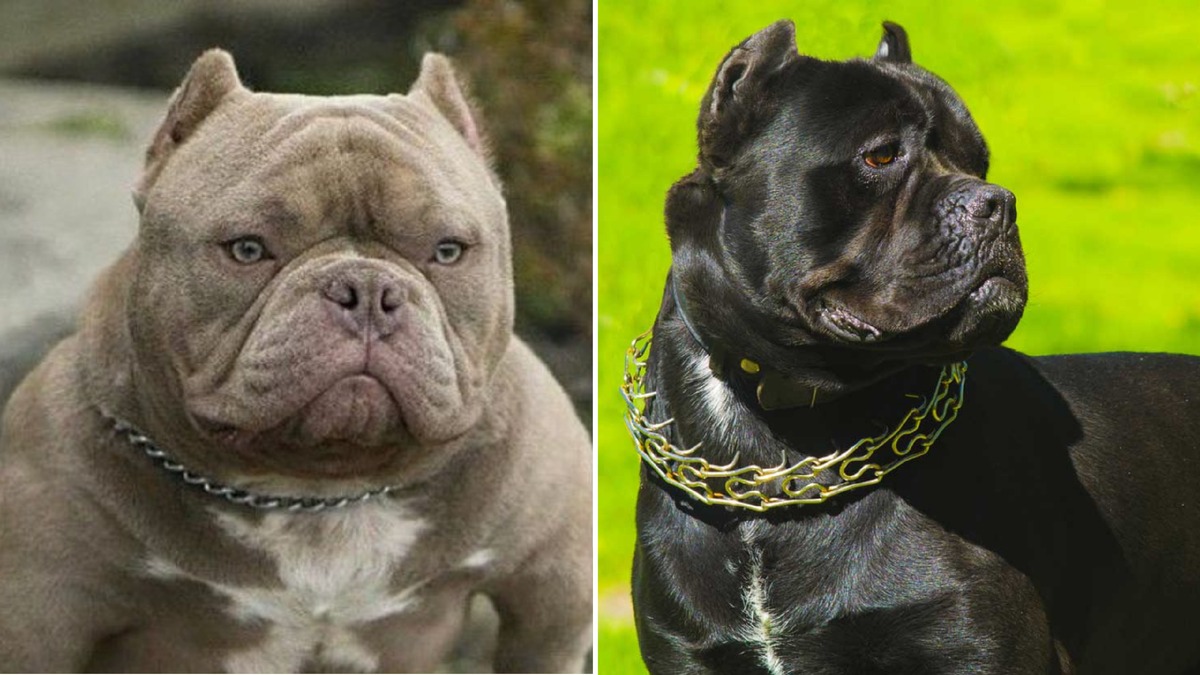





5 Dog Breeds That Are Mistakenly Considered Aggressive

Have you ever seen people cross the street at the mere sight of a dog’s shadow? Or jerk their hand away without even trying to pet it? Some breeds have such a bad reputation that they’re feared simply for their appearance. But inside these “monsters,” there are affectionate, anxious, or simply very tactful creatures.
Let’s unmask five dogs that society has unfairly labeled as aggressors.
1. The Staffordshire Terrier is a villain with the face of a kind nanny.
In the popular imagination, a Staffordshire Terrier is all about jaws, muscles, and a willingness to bite. Images from crime reports have done their job. But if you look at a Staffordshire Terrier in an ordinary apartment, you’ll see a creature that doesn’t know how to fit its love into a single body.
Staffies adore people to the point of self-forgetfulness. They don’t just tolerate children—they adore them, allowing them to be pulled by the ears and carried on their backs. Aggression toward humans is unheard of for a Staffie. The breed wasn’t bred to attack people, but to work with animals. And if a Staffie growls at a stranger, it’s either been harassed for too long or is defending its owner from a real threat.
So why are they feared? Because of their appearance and because they are often taken in by untrained people who turn them into weapons. But breed has nothing to do with it.

2. Rottweiler – which is often confused with the Terminator
A Rottweiler walks down the street—and people cross themselves. Meanwhile, he’s wondering where to lie down and why his owner hasn’t brought him his favorite toy in so long. Rottweilers are among the most phlegmatic and calm large dogs when properly cared for.
There’s a reason they’re called “guards” and not “killers.” A Rottweiler couldn’t care less about passersby, neighbors’ dogs, or pizza delivery people. It only gets going when someone truly crosses the line—breaks into a car, a house, or even raises a hand against its owner. Until then, a Rottweiler will simply stand and watch. Sometimes with a disapproving expression, but without the slightest urge to attack.
Where does the myth of aggression come from? From stories of Rottweilers kept chained, not walked, and beaten. Any dog would be dangerous in such conditions. But the Rottweiler was simply unlucky enough to be big and strong when the camera rolled.

3. Doberman – a nervous intellectual in armor
Oh, those scenes from old movies: a Doberman jumping, baring his teeth, ripping at a sleeve. The viewer remembers: dangerous. And the dog trainer knows: the Doberman is one of the most anxious and gentle dogs in the world.
Dobermans are incredibly attached to their owners. Without them, they fall apart. They constantly need to hear that they’re good. Their aggression is almost always driven by fear, not anger. A Doberman will bite if frightened, cornered, or confused. But attacking a person first—no, that’s not their style.
So why are they considered aggressive? Thanks to movies and the fact that Dobermans were long used as service dogs. They were trained to protect, and they did. But in everyday life, they are affectionate, even obsessively affectionate, animals that will lick your hands for hours.

4. Cane Corso – which was classified as a monster due to its size
The Corso weighs almost a hundred kilograms, his head resembles a concrete slab, and his gaze is slanted. Scary? Yes. Dangerous? No, if the dog is in proper hands.
Cane Corsos are the philosophers of the dog world. They’re slow, calm, and unfazed. They don’t bark at the wind or pounce on everyone who passes by. Corsos have excellent self-control: first they’ll assess, then warn, then bare their teeth, and only in the most extreme situations will they use force. And then only if the threat is real, and not just someone sneezing loudly.
Where does the fear come from? It’s because of its size and because a Corso is truly dangerous in the hands of an idiot. But any dog can be spoiled. It’s unfairly called an aggressive breed.

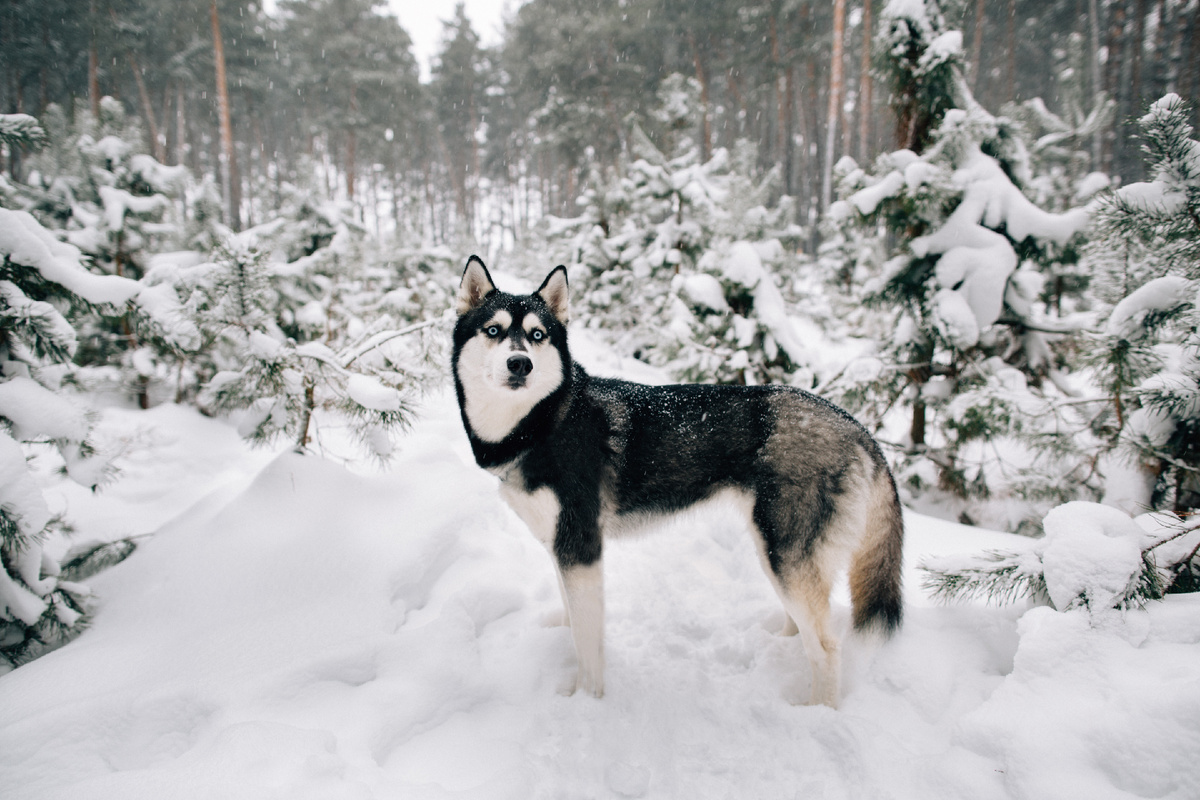
5. Siberian Husky – which is often mistaken for a wolf and feared in vain
A husky is a dog with a predatory appearance and a kind soul. People see their pointed ears, piercing gaze, and wolf-like coloring—and immediately assume they’re dangerous, unpredictable, and likely to bite. But then they get to know a husky better and can’t believe their eyes.
Huskies are one of the least aggressive breeds toward humans. They were bred not for guarding, but for sled work: to run in a harness, obey the driver, and live in a pack. A husky would rather lick a stranger to death than bite. They rarely bark, mostly howling, making funny noises, and acting like perpetually surprised teenagers.
So where does the myth about aggression come from?
Huskies are truly complex: they’re willful, stubborn, run away at the first opportunity, and can even kill a cat or a chicken (their hunting instincts are still there). But they’re almost completely aggression-free toward people. Bite statistics confirm this: huskies rank last.
Why are they afraid of them?
Because of their resemblance to a wolf. An untrained person sees a “wolf” and thinks it’s dangerous. But in reality, a husky is a playful, emotional dog, and completely harmless toward people. The problem with them isn’t aggression, but that they’ll destroy an apartment in a day and pretend they don’t hear the “come” command. But biting a person? Only if they’re completely cornered. And even then, they’ll probably howl in frustration.
Instead of a conclusion
No breed is born vicious. There are breeds with a strong character, a strong protective instinct, or an anxious psyche. But aggression as an innate trait is a myth. A dog becomes dangerous either through pain, fear, or poor training.

Crossing the street when you see a Staffordshire Terrier or a Rottweiler is like being afraid of all bald men in tracksuits. Appearances can be deceiving. And many “scary” dogs have a heart of gold inside, just an unfortunate reputation.
Have you personally been afraid of anyone on this list, only to meet them and realize you were wrong? Share your thoughts in the comments!