




Dog Walking Mistakes That Can Harm Your Pet

What could be so difficult about this seemingly simple matter—walking a dog? Actually, there is. And there are plenty of nuances to this matter. Nuances that can help you raise your pet healthy and comfortable are plentiful. I’ll try to list them in order. I’m not listing them in order of importance, but rather as they come to mind. In this first part, we’ll discuss how to walk a dog incorrectly. I’ll say upfront: this series of materials will focus on city dogs; for obvious reasons, country dogs aren’t typically exposed to such dangers.
Firstly , what I strongly advise against when it’s time for a puppy to go for a walk is a walk that involves “going outside with the dog, getting to the dog park or dog meeting area, letting the dog join the pack, and then letting it sit until it’s tongue-tied or until it’s had its allotted time.” This is bad and wrong. Your dog doesn’t live in a pack – it lives with people, both in the narrow sense (within your family) and in the broadest sense (in the city, among people). Therefore, it needs to learn to communicate, first and foremost, with people. A pack scurrying from corner to corner of the dog park won’t teach your dog this.
Without contact with your dog, you won’t have a rapport with it. And, therefore, you can forget about obedience: reliable obedience without understanding doesn’t exist. If your contact with your dog is limited to walking it from the house to the dog run, and then back again after the allotted hour or hour and a half, then this isn’t contact, but a service function. Naturally, a dog always understands another dog better than the same dog understands a person. And after a while, you notice that your dog, having barely relieved himself after leaving the house, persistently pulls you to the dog run, to his usual friends, as if completely deafened in response to your commands and attempts to interact with him. “He misses his friends,” new dog owners often say, touchingly, although such behavior from their dog should have raised alarm bells.
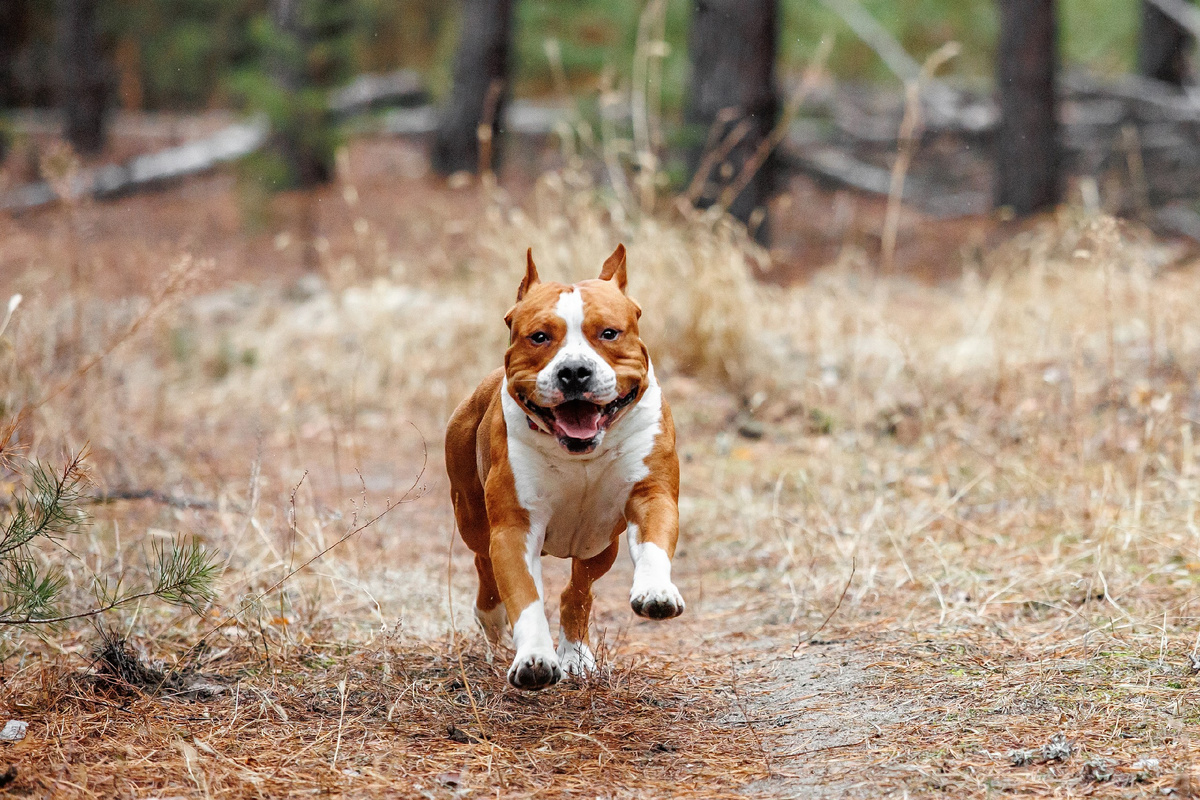
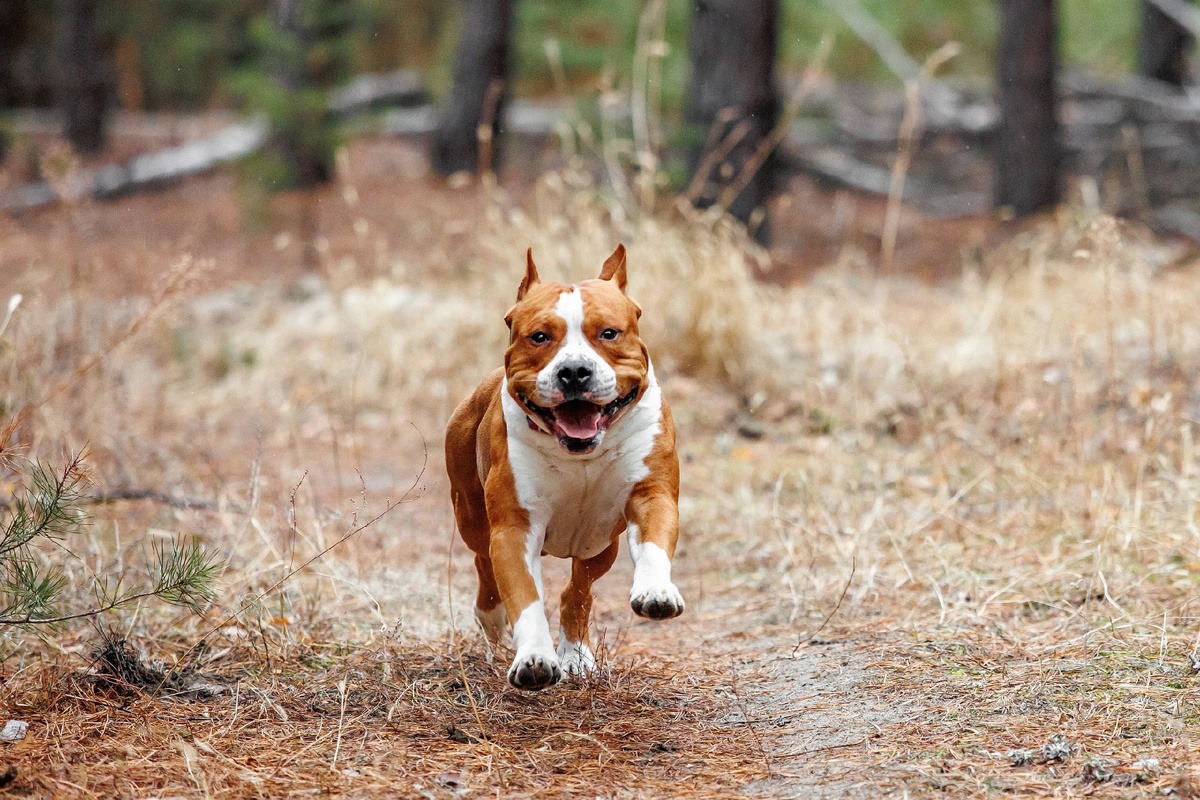
Secondly , of course, such a walk brings a certain amount of physical development to your dog. It’s not without its problems, though. They can knock your dog off his feet, injure immature ligaments and joints, teach him bad behavior, or reinforce the “bad” behavior already ingrained in him. I’ve seen broken tails, dislocated paws, and gouged-out eyes as a result of such walks. I’ve also seen dogs develop an obsessive habit of “pinching” weaker dogs as a result of such walks. But, of course, I’ve also seen positive results, such as the ability to communicate with other dogs, which is something any dog could benefit from.
Does this kind of walking impart any intellectual benefits to a dog, any useful mental skills? Highly unlikely.
Thirdly , I really dislike the discussions on these platforms. They rarely do without “expert advice”—this could be about anything: training, treatment, feeding… For some reason, such advice is perceived by immature or inexperienced, novice dog owners with far more credibility than that of a breeder or dog trainer. Especially if you like the person giving the advice or their dog. This advice can range from genuinely helpful to the “unthinkable”—like curing all illnesses with vodka, feeding only this or that kind of food (everything else is junk and disgusting), training exclusively with kicks, or, conversely, not touching your four-legged sweetie. It would seem, well, you’re just going for a walk with your dog—go for it. No, you absolutely must share your knowledge and experience with the masses, which, sometimes, doesn’t hold up to scrutiny. And this “expert’s” dog is also sometimes good not because of this experience, but in spite of it.
Fourth , if you don’t have a large dog run, but just one small one where you and your pets spend their entire walk, it’s a breeding ground for disease. Even if your dog-walking companions regularly vaccinate their dogs against rabies and major infectious diseases (which, unfortunately, many don’t!), there are still a host of infectious or simply contact diseases that aren’t typically vaccinated against (for example, kennel cough), as well as worms and fleas, which not all dog owners bother to treat regularly. And such dog runs are a breeding ground for all these nasty things. Don’t think, by the way, that worms and fleas are only a problem for stray dogs. Your pets could very well be carriers of both if you don’t regularly treat your dog.
Fifth , dog owners who gather together to chat don’t usually monitor their pet’s time, and even if they do, they don’t know how to decipher or understand what they see. Your dog is either outright bullied by stronger pack members or, conversely, learns downright boorish, “chav” behavior with other animals, which helps them thrive within the established pack but doesn’t teach them proper behavior with their fellow pack members, which could eventually backfire. Unlike a stray dog, they have no experience interacting with other dogs, which can be different and therefore require different behavior from them. They only interact with one stable pack, where roles are assigned quickly and much “brain training” isn’t required. It’s like a game of “King of the Hill”—just try to defend the summit. In other words, even from a socialization perspective, such environments aren’t very effective.
Sixthly , and probably the last on my list of “why you shouldn’t walk your dog like that,” this is a training exercise for you, the human, and a way to accustom your dog to a certain manner of walking. Typically, owners at a dog park aren’t preoccupied with observing their pet, analyzing its behavioral patterns, and, if necessary, correcting them. They’re preoccupied with their own interactions. It’s no secret that such groups form a unique, close-knit community, bonded by shared time and common interests. So, a person’s entire focus in such a group is on their fellow humans and their interactions with them, not on their dog. This, in turn, can have a significant negative impact on you in the future.
In the second, next part of the article, we’ll talk about how to walk city dogs – based on my experience and observations.
Did you like this article? Give it a like and follow to our Today Pet! I’ve got lots more useful and interesting content for you!