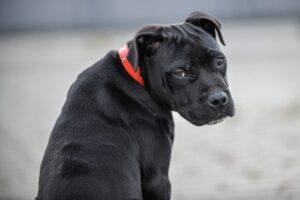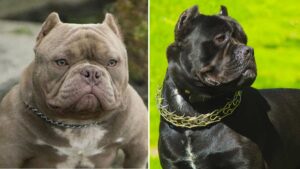
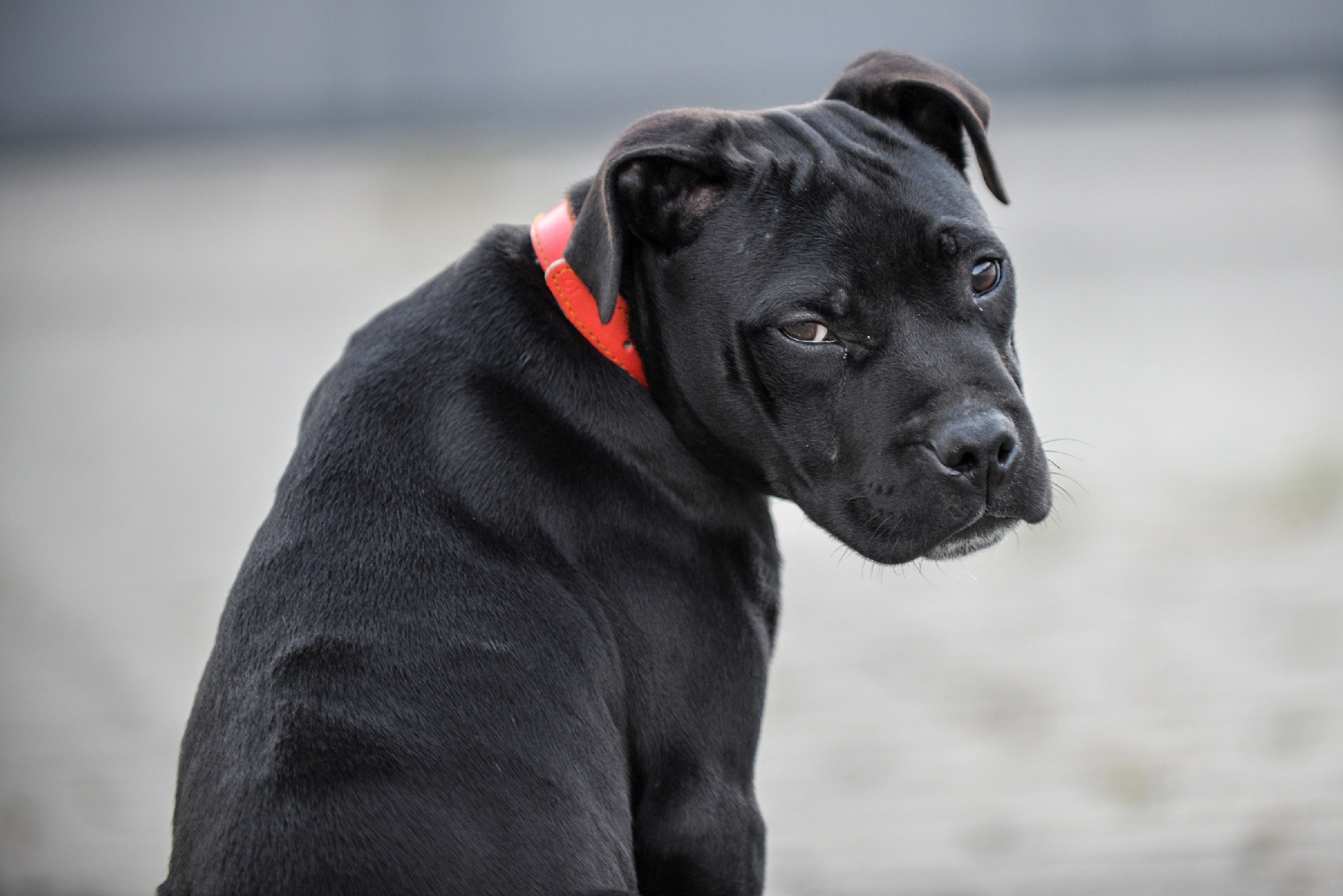
8 fighting dog breeds with strong protective qualities

The smell of wet fur after the rain, the click of claws on the parquet, that characteristic look of “well, open the door for me, I understand everything about your personal life, but I really need to go outside” – it’s from such little things that true love for dogs is formed.
And when I hear the phrase “fighting breed,” I always want to clarify: what do you actually mean?
The fact is that there is simply no official registry of “fighting breeds” in cynology.
No international federation maintains such a list. However, there is a persistent popular habit of labeling dogs with strong jaws and serious expressions.
Today I want to look at eight breeds that most often fall into this category and share my observations.
Let me say right away: this is my personal opinion, based on what I have seen and read, and not a judgment on each individual dog of this breed.
Why “fighting” doesn’t mean “dangerous by default”
Before I begin the list, I want to point out something important. Breed determines certain predispositions: size, strength, and historically ingrained working qualities.
But the character of a particular dog is formed from a completely different test – genetics, upbringing, socialization, experience interacting with people and other animals, even the mood of the owner on the day the puppy was first taken outside.
In my experience, the difference between two dogs of the same breed can be as vast as between two people with the same profession. One accountant loves to gamble on the stock market in his spare time, while another collects stamps and is afraid to cross the road on red lights. It’s the same with dogs.
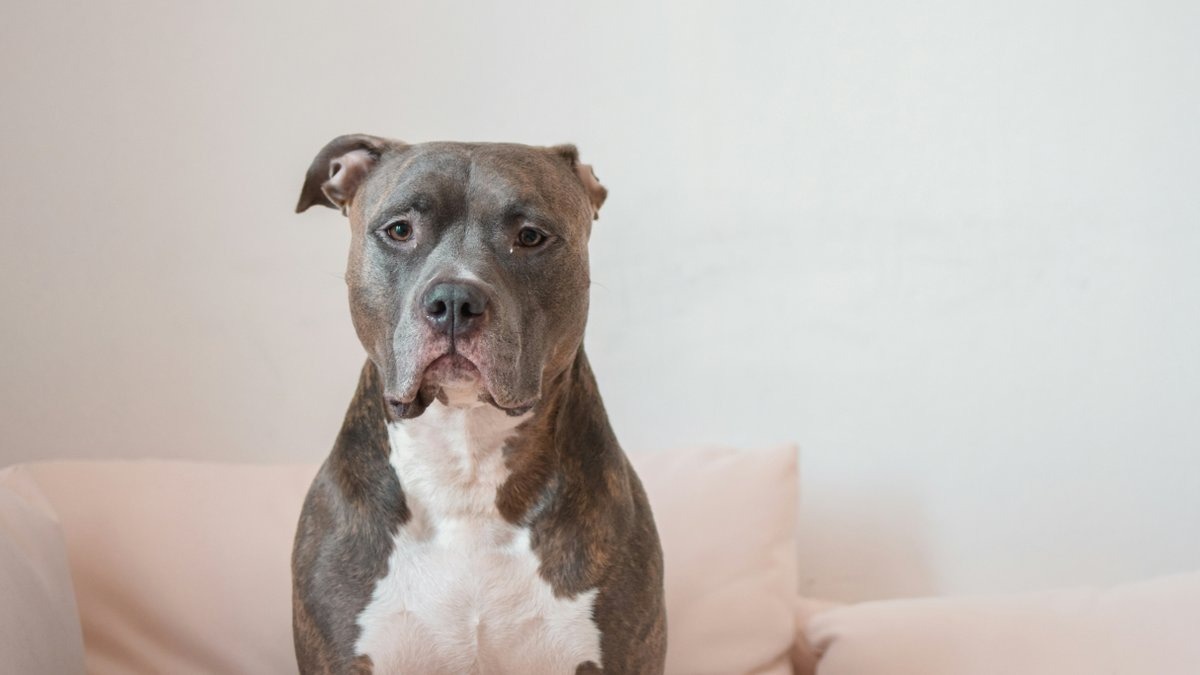
American Pit Bull Terrier
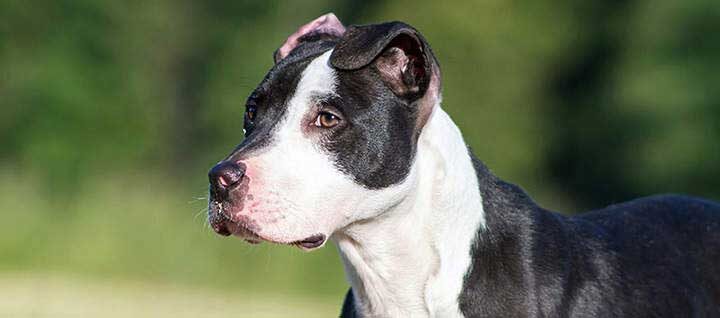
I’ll start with the breed that most often comes up in conversations about “fighting” dogs.
The Pit Bull Terrier was indeed developed as a breed with an emphasis on endurance, strength, and tenacity—historically, this is linked to dog fighting, and there is no point in arguing with that.
But here’s what’s interesting: the same qualities that made this dog stubborn in a fight make it incredibly loyal and affectionate in the family.
Many pit bull owners describe their dogs as true “lickers” and hug lovers. I think this breed possesses a striking contrast: a powerful body and a tender, almost childlike affection for people.
Of course, without proper training and socialization from an early age, any strong dog can become difficult to manage – but this applies to all large breeds, not just this one.
Tosa Inu
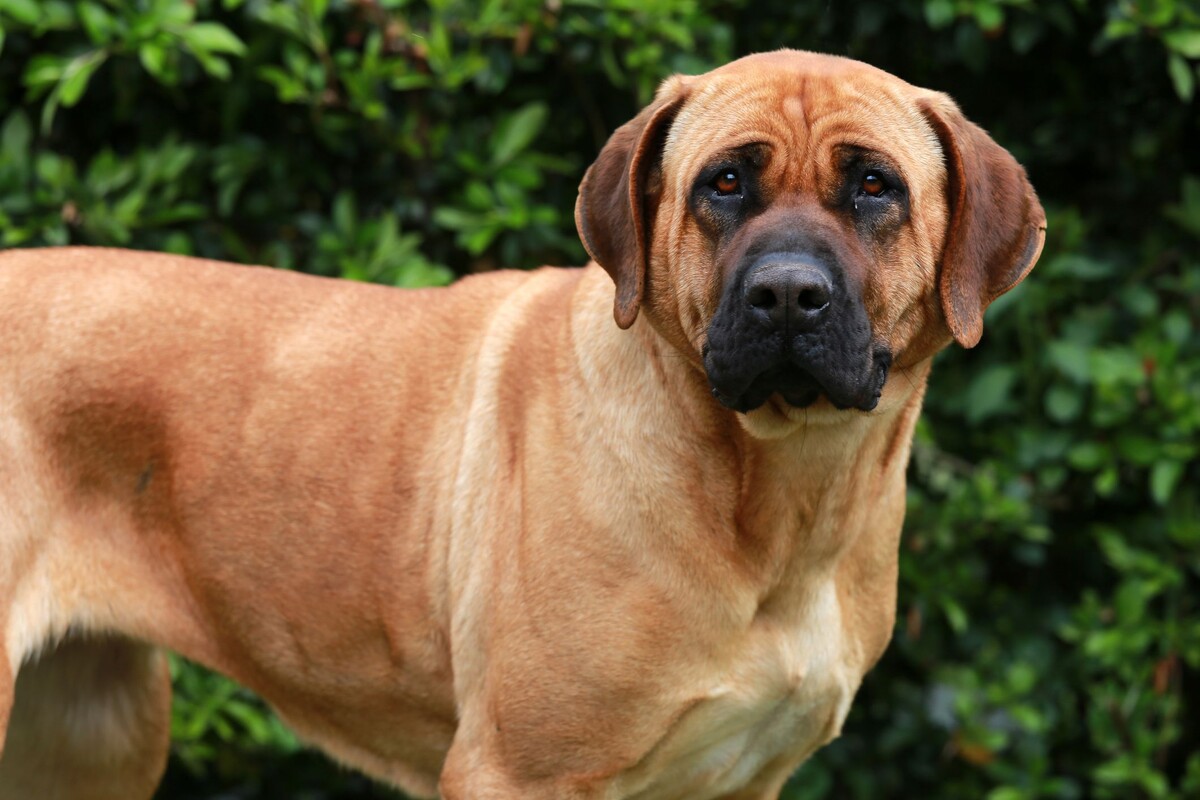
A Japanese breed, surrounded by an almost mystical reverence in its homeland, Tosa Inu are traditionally compared to sumo wrestlers: calm, sedate, unhurried, yet possessing an inner strength they rarely display without reason.
I have noticed that descriptions of this breed from different breeders almost always agree on one thing: the Tosa Inu rarely barks without a reason and tends to observe first and then act.
This is actually a rather interesting character trait – endurance instead of impulsiveness.
With proper training, such a dog can become an incredibly reliable and calm companion, although its large size and strength definitely require experienced hands.
Bull Terrier
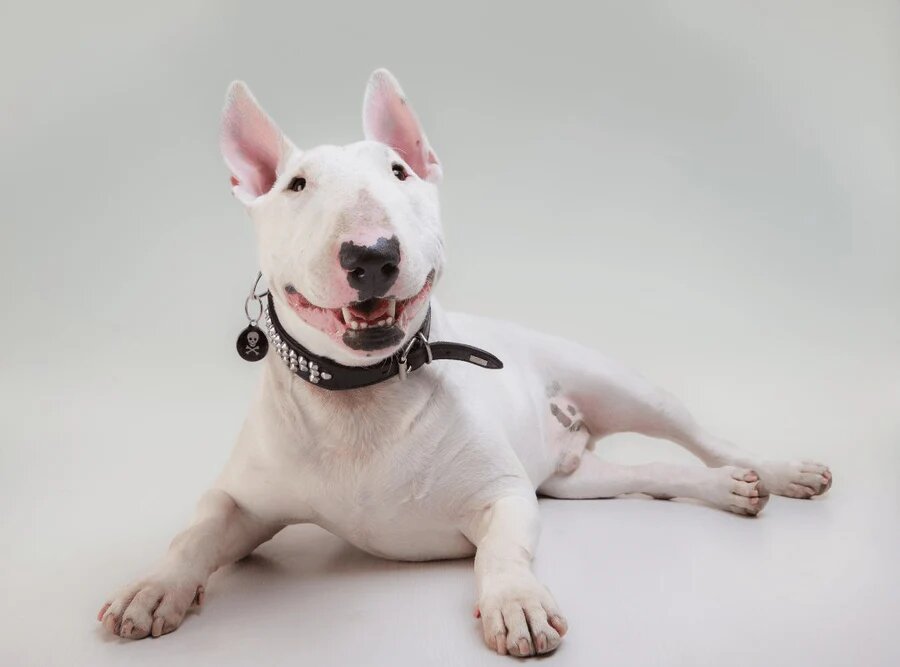
If dogs were to participate in a competition for “most recognizable face,” the Bull Terrier would definitely be in the finals.
This egg-shaped profile is unmistakable. The breed was originally developed for fighting, but modern bull terriers are a very different story.
Breeders have been working for decades to soften the temperament, and now many owners describe their Bull Terriers as the clowns of the family: energetic, stubborn, adoring attention, and capable of turning a simple trip to fetch a toy into a circus.
Perhaps it is this mixture of determination and playfulness that makes the Bull Terrier so appealing to those looking for more than just a pet, but a real character in the home.
Dogo Argentino
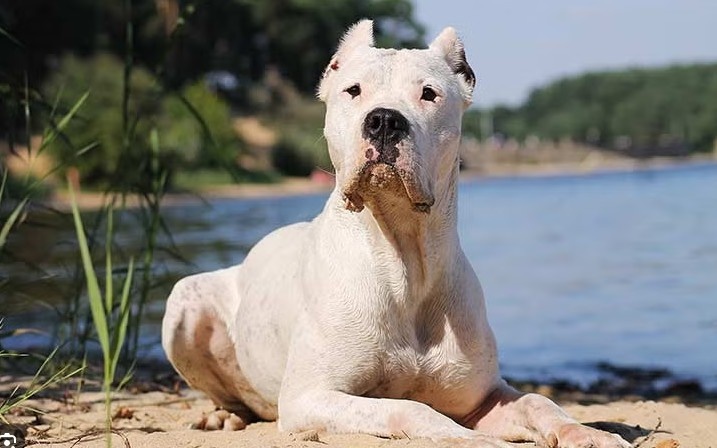
A snow-white, muscular, stately dog that was bred in Argentina to hunt big game – wild boar and puma.
You’ll agree, this is not a task for the timid. The Dogo Argentino was originally bred to hunt in a pack, meaning its nature is not only strong, but also capable of working in a team, listening to its “leader,” and obeying the rules of the group.
In my observations, this trait often carries over into family life: Great Danes strive for a clear hierarchy and a predictable routine. Give such a dog clear boundaries, and you’ll have a devoted, calm partner.
Leave her without structure and physical activity and you’ll get a stubborn strongman who will solve problems in his own way.
Brazilian Fila
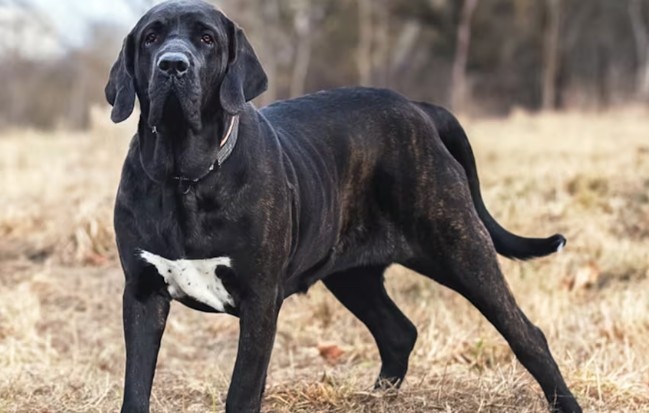
This is perhaps one of the most underrated breeds in terms of character.
The Fila Brasileiro was bred to guard large cattle ranches, and its DNA is ingrained with a strong wariness of strangers—this is called the “ojo clinico,” literally “clinical gaze,” the Fila’s ability to unerringly distinguish friend from foe.
It sounds a bit like a superpower, and in a sense, that’s what it is. Fila become almost adoringly attached to their family members, sometimes becoming like a giant, soft shadow that follows their owner everywhere.
But wariness of strangers means that the puppy’s socialization must be especially consistent and calm, without haste or pressure.
Cane Corso
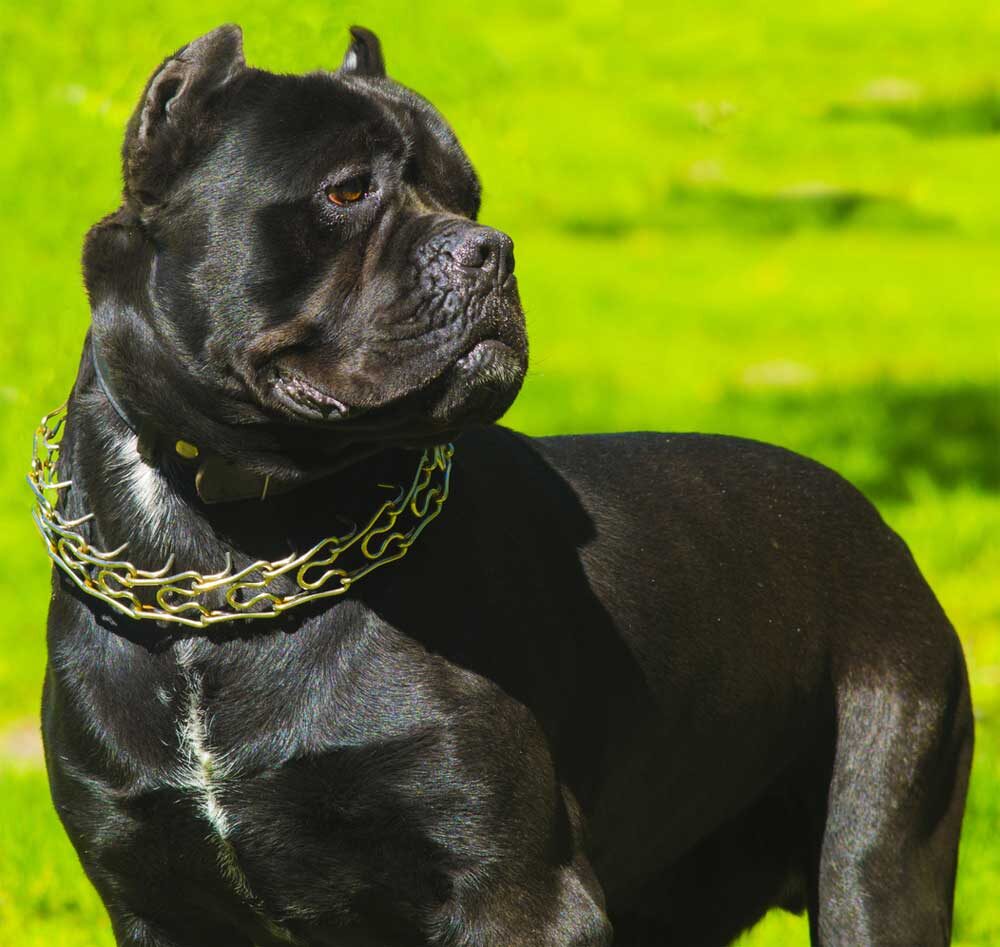
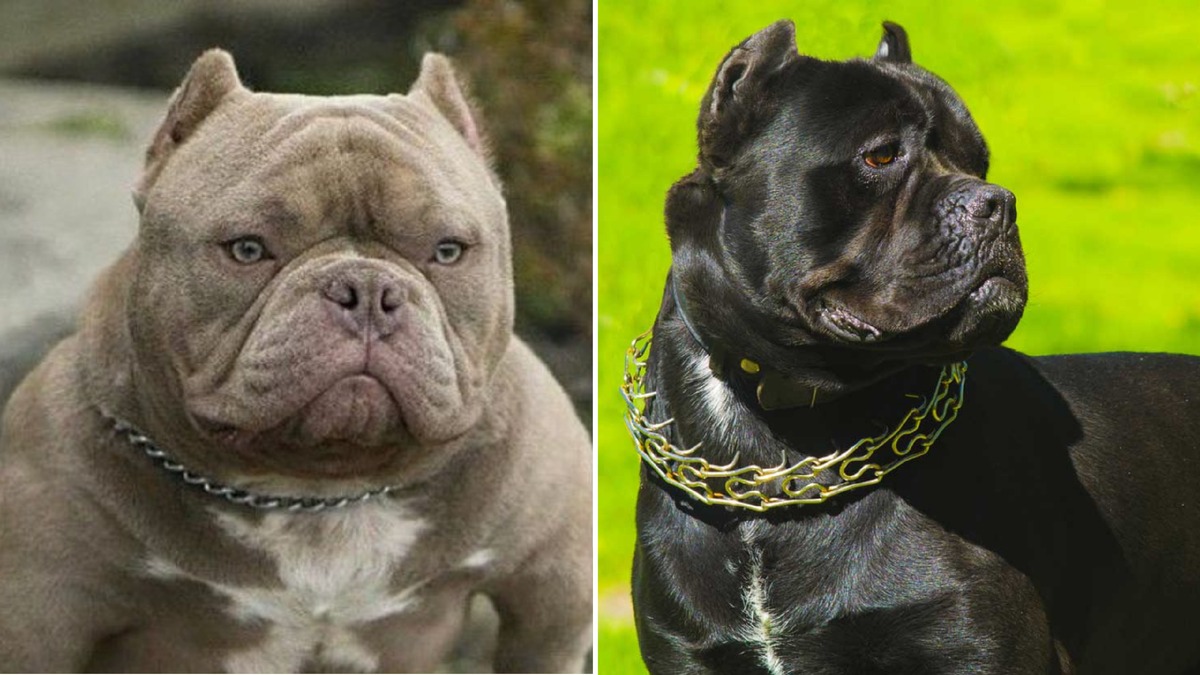
An ancient Italian breed, whose name, according to one theory, comes from the Latin word “cohors,” meaning “guardian, protector.” And this truly describes the dog’s essence better than any marketing slogan.
Historically a guard dog and farm helper, the Cane Corso has become one of the most popular breeds among those seeking a reliable, intelligent family protector.
What I especially like about this breed is its amazing attentiveness to the owner’s mood.
Many Cane Corso owners report that their dogs sense anxiety or sadness almost instantly and respond by simply sitting silently next to them, cuddling close. There’s something very human about that, you’ll agree.
Rottweiler
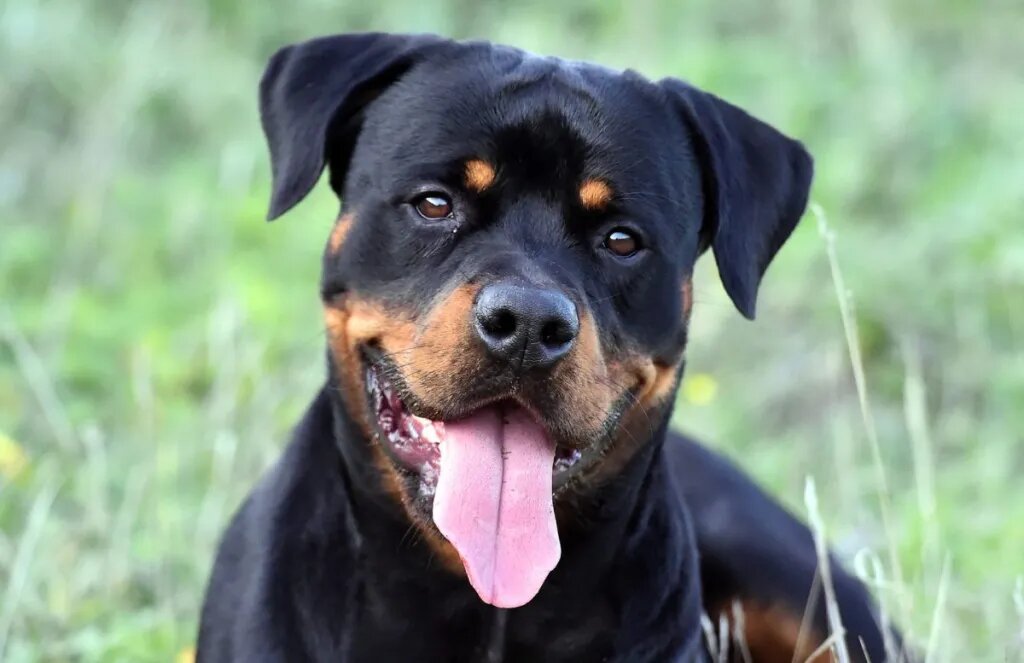
Ah, the Rottweiler is a breed that has so many stereotypes around it that sometimes you want to hold a separate press conference in their defense.
Initially, these dogs drove cattle to markets in Germany and protected merchants’ carts from robbers – serious work that required both strength and intelligence.
Today, the Rottweiler often proves to be a surprisingly gentle and even slightly funny companion: many owners share stories of how their formidable dog begs for a place on their lap as if he weighs not forty kilograms, but four.
Of course, the Rottweiler remains a dog with a pronounced territorial instinct, and basic training, started from an early age, is not a whim, but a necessity – as is the case with any large breed.
Doberman
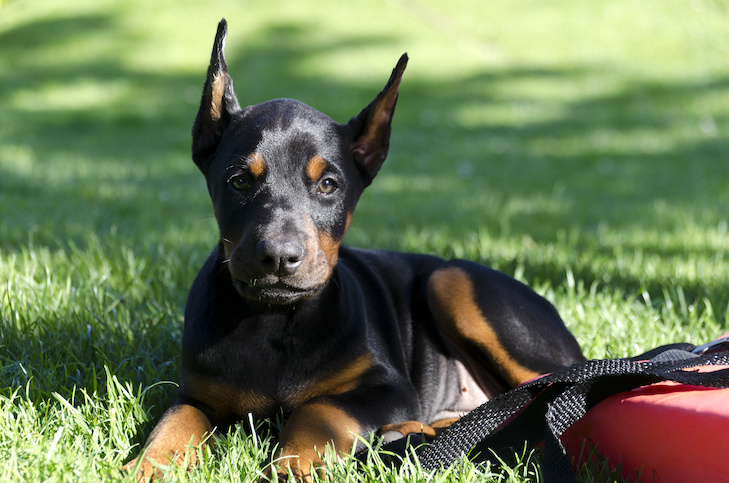
Rounding out the list is the Doberman, a breed I would call an aristocrat among “protectors.”
A slender silhouette, an elegant gait, and almost balletic movements – and yet the Doberman is capable of impressive speed and possesses a keen intelligence that places it among the most trainable breeds in the world.
Dobermans are often recruited for police and rescue work for this combination of intelligence and physical attributes.
In my experience, Dobermans have a particularly acute need for mental stimulation: a bored Doberman is capable of finding something to do that you don’t like at all, be it picking apart a pillow or plowing up a flower bed.
Give this dog tasks, training, contact with the owner – and you will see a completely different side of its character: warm, attentive, almost devoted to the point of self-forgetfulness.
Common feature
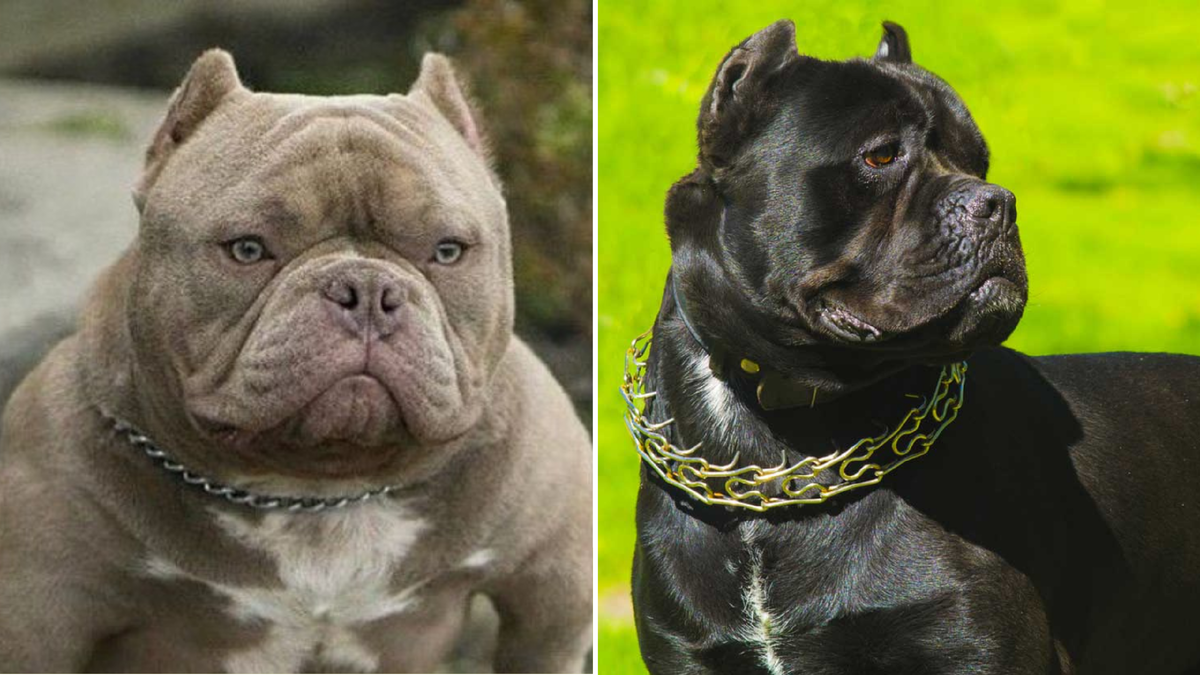
If you look closely, all eight breeds have one thing in common – they were bred for serious work that required endurance, determination and a certain amount of courage.
But the working purpose of the breed and the character of a particular dog are two different stories.
Dogs, like people, are all different, and even in the same litter, puppies can grow up completely different from each other: one will become the life of the party on the playground, another will cautiously keep to himself, and both will remain representatives of the same breed with the same pedigree.
I always like to remind those considering one of these breeds for their family that responsibility plays a much bigger role than the breed itself.
Early exposure of a puppy to different people, places, and sounds, calm and consistent training without harshness, and regular physical and mental stimulation—this is the recipe that turns any strong dog into a reliable friend.
Conversely, the absence of these components can make even the most docile dog of any “non-dangerous” breed difficult.
A few final personal thoughts
Every time I see a large dog from this list on the street, I wonder what its story is. Some might say, “Well, here we go again, those scary dogs.”
And I look at how the dog reacts to the owner – whether it wags its tail or tenses up, looks with trust or looks away – and this reaction tells me much more than the breed indicated in the documents.
Tell us, have you had any experiences with the dogs on this list? Maybe you have a Rottweiler at home who’s afraid of thunderstorms and hides under the blanket, or a Doberman who adores stuffed unicorns? Share your stories in the comments – I’m sure everyone will have something touching or funny to share.
Thanks for reading! 👋 Don’t forget to follow our website about dogs. We collect useful information: feeding, care, training, health, and proven pet products.