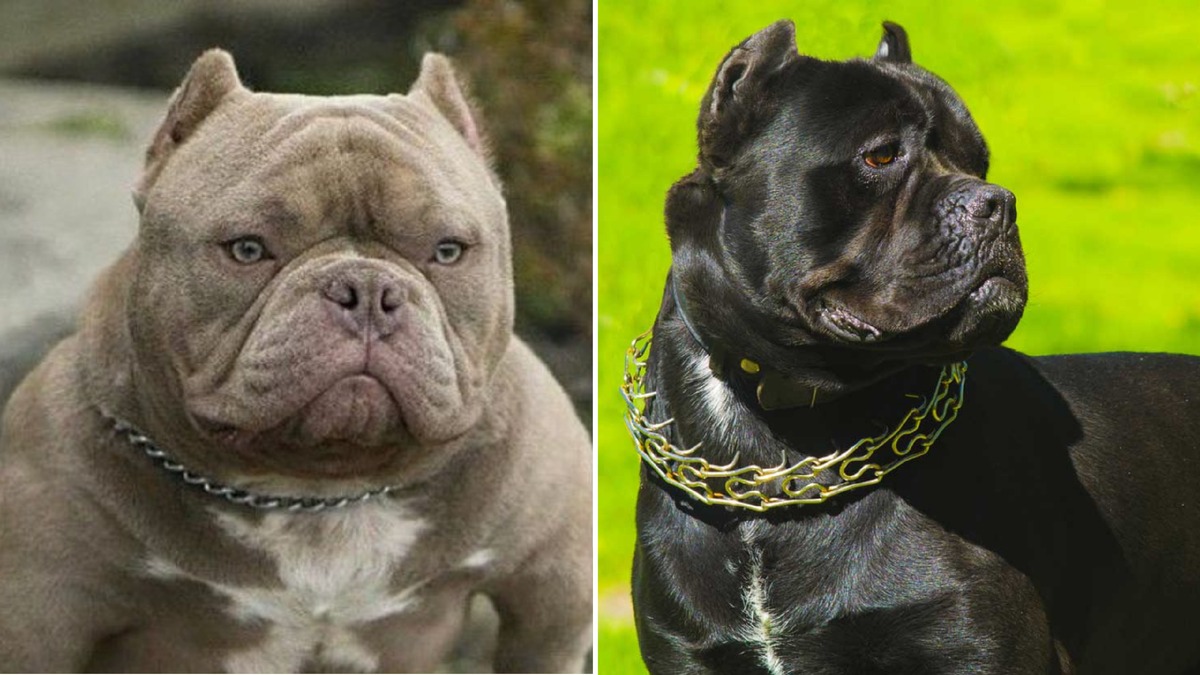





5 mistakes owners make that make dogs lose trust

Have you ever felt like your dog “can’t hear” you? Approaches you cautiously or even shies away? More often than not, it’s not the dog’s fault, but rather our own mistakes. Trust is a fragile thing. And here are 5 mistakes that can kill it.

1. You blame the past
A dog is tied to the here and now. You come home from work, and there’s a puddle in the hallway or a dented couch. You scream and nudge. And what does the dog understand? It doesn’t connect your hysteria with what it did five hours ago. For it, it’s simply: “The owner came home from work and immediately attacked.” Ultimately, it begins to fear not your absence, but your return. Cruel and senseless.
How it should be:
Forgot? Forgiven. Punishment is only allowed if caught red-handed—right then. The rest of the time, you’re simply a kind and predictable person.

2. You don’t read his language.
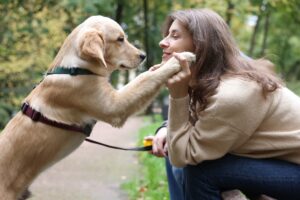
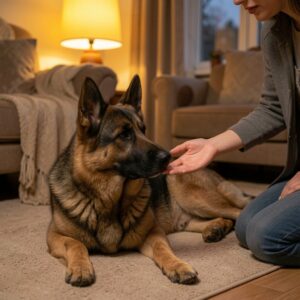
You know those moments: a dog looks away, licks its lips, yawns nervously, and flattens its ears? Those aren’t tantrums. They’re saying, “Listen, leave me alone, I’m uncomfortable.” But many people try to hug, squeeze, hover, and start yelling. The dog endures, endures, and then bam—its teeth in your hand. Not out of malice, but out of desperation. It’s simply left with no choice.
How it should be:
If you see the signals, back off. Give them space. This isn’t weakness, it’s respect.

3. The “Come to me” command = deception
Be honest: have you ever called your dog to forcefully clean his ears? Or take him to the vet? Or lock him in the bathroom alone? Dogs aren’t stupid. After two such approaches, he firmly understands: “Come here” means “this is going to be unpleasant.” And that’s it. He won’t come near you outside again. Even if you bring him sausage and love.
How it should be:
Never use the “Come here” command for mischief. There’s a separate word for cleaning, injections, and bathing—be it “Examination” or “Procedure.” And “Come here” always ends with a treat or a game. No other options.
4. The rules are dancing
Today you can’t go on the couch—you kick him out. Tomorrow you’re in a bad mood, and the dog won’t come—so no, you call him over. The day after tomorrow you can’t go again. Or you can’t ask from the table, but you gave him a piece of sausage yourself. The dog doesn’t understand that you’re in a bad mood. He sees chaos. And he stops believing your “Ugh.” Because today it’s “Ugh,” and tomorrow, maybe, “Yum.”
How it should be:
Once you’ve banned them, you’ve banned them forever. If they’re invited to the couch, that means they’re allowed. Dogs love predictability. Give them that stability.
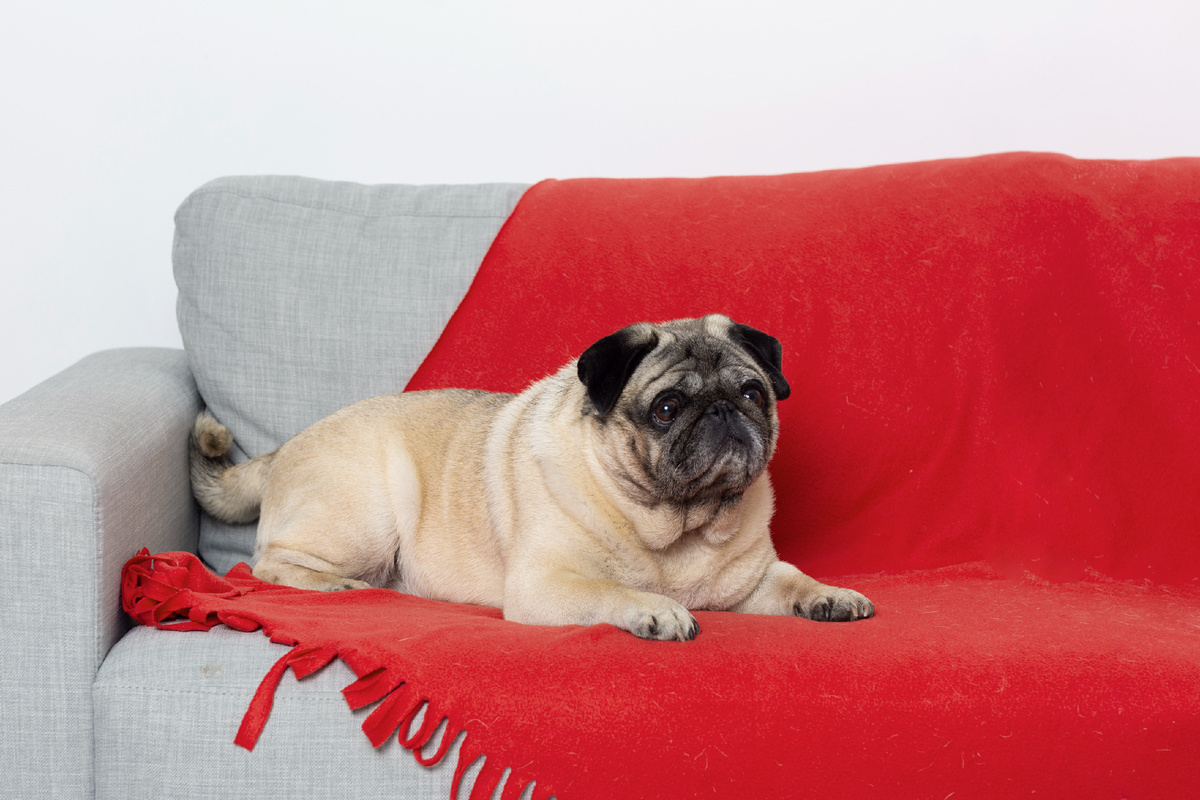
5. You scold him for being afraid.
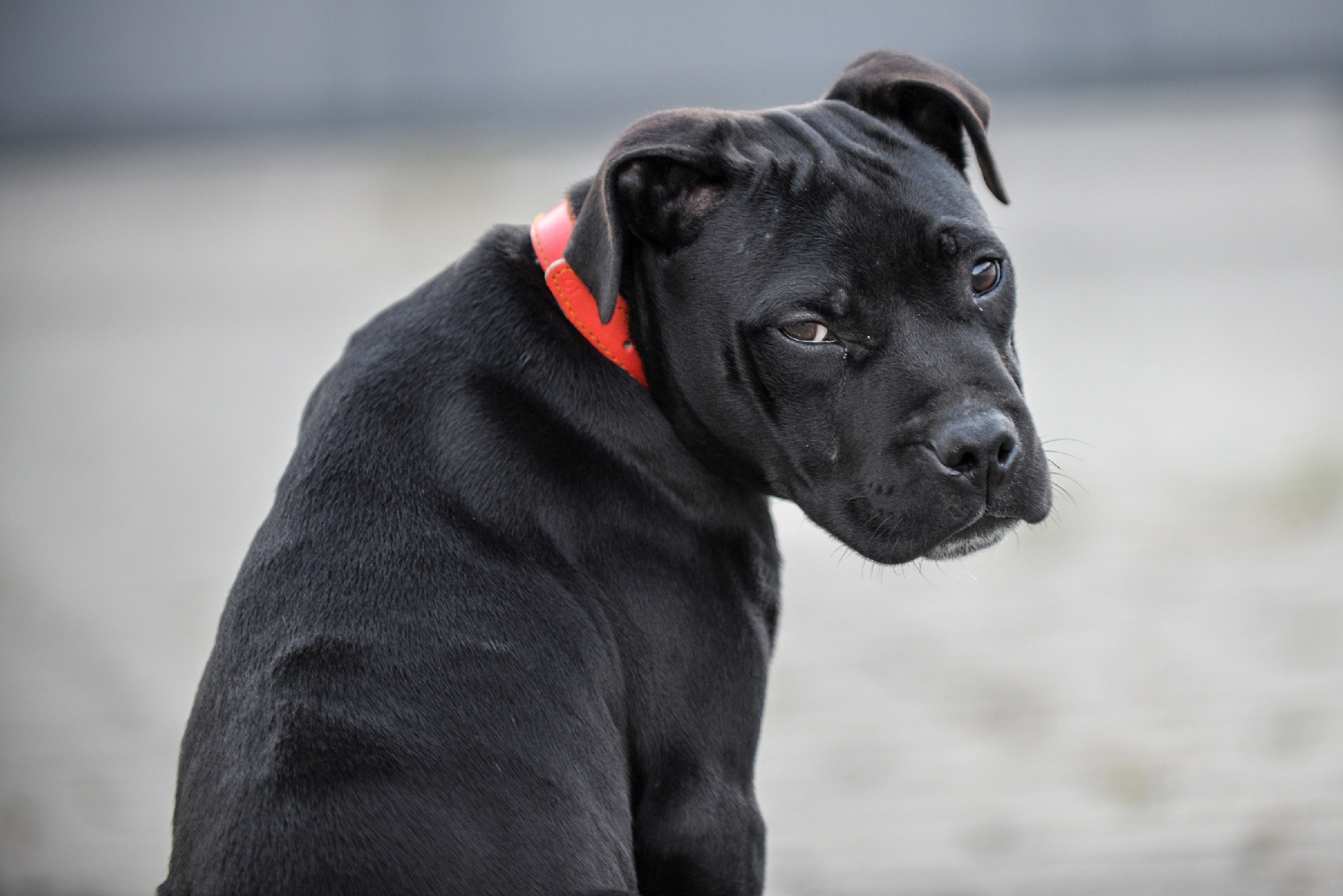
A thunderstorm, fireworks, gunshots. The dog shakes, hides under a chair, whines. And the owner: “Stop! Don’t be afraid! Ugh!” Or even a slap. Can you imagine what’s going through its head at that moment? It’s afraid of explosions, but right now the most immediate threat is you. The most intense fear becomes attached to the owner. And that’s it. Next time, no matter how scared it is, it won’t run to you for protection. It will run away from you.
How it should be:
Feel sorry for a frightened dog. Take it to a quiet place, pet it, give it a treat, and speak calmly. You should be a refuge, not a second threat.

Trust isn’t about hierarchy and dominance. It’s about “being safe and understanding.” If your dog has already lost trust, it’s not too late to fix it. Just stop punishing them for the past, don’t lie when giving commands, establish clear rules, and never scold them for being afraid. And they’ll warm up.
Which error is most common for you? Let’s discuss this topic in the comments!