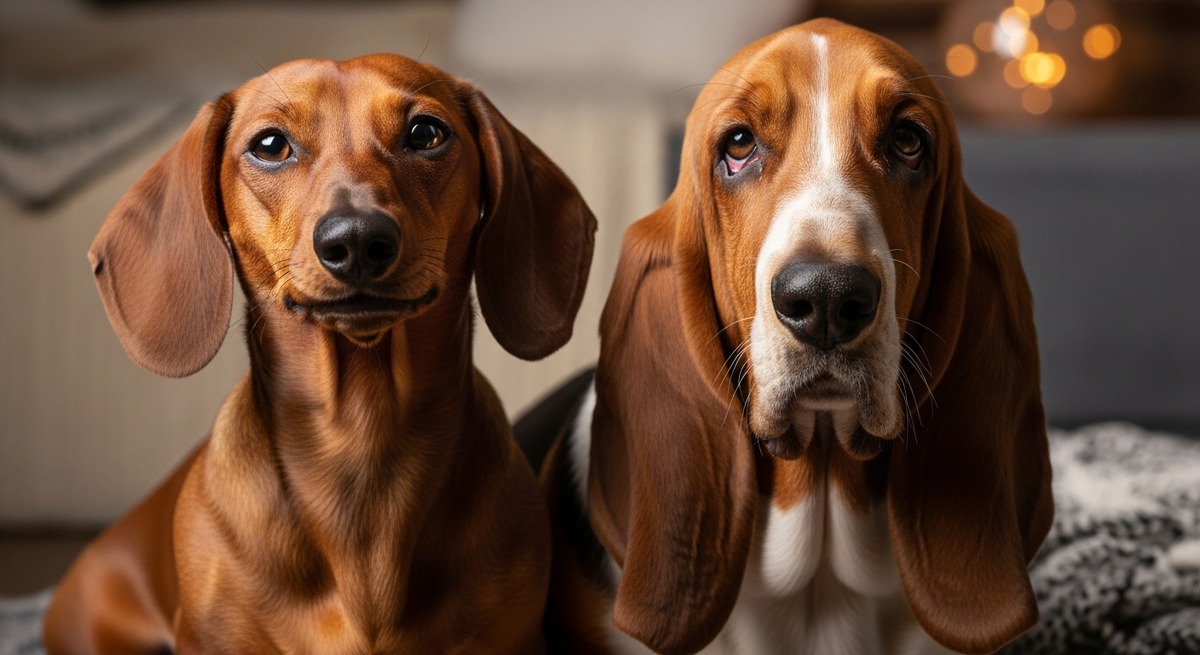
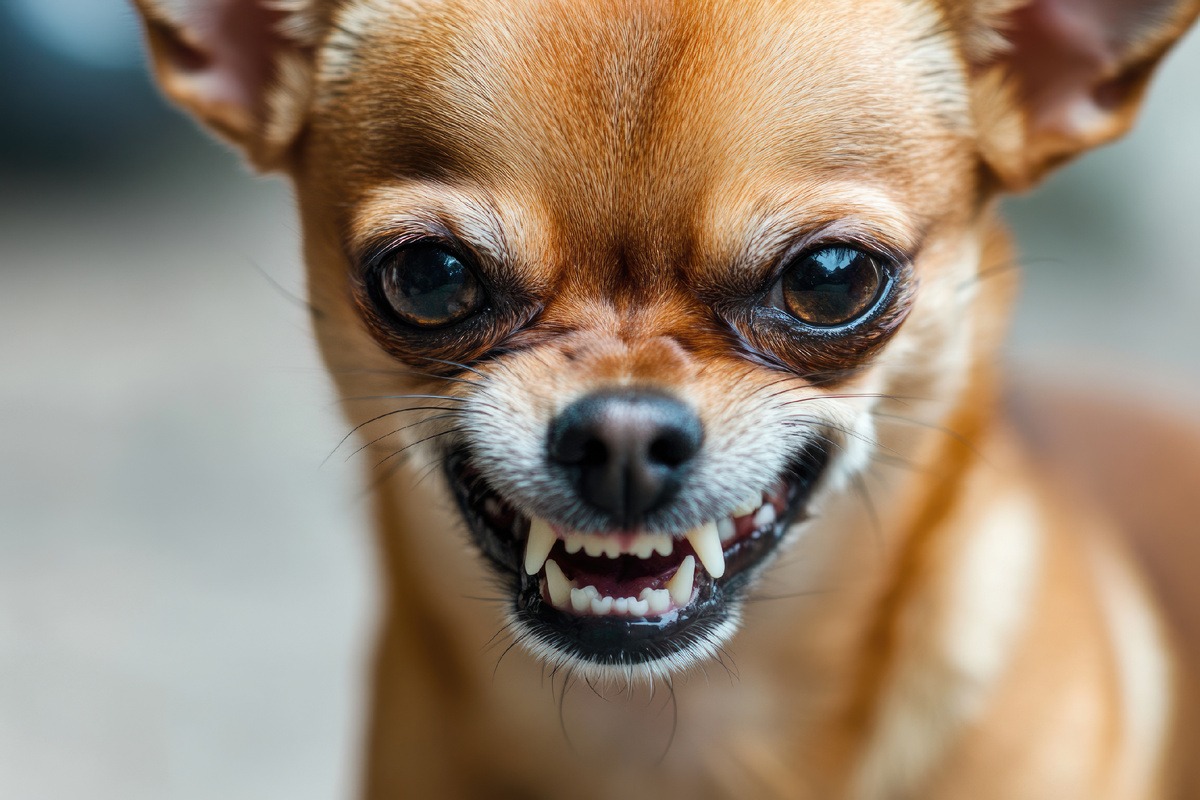
Why are small dogs so angry?

Small size doesn’t necessarily mean a calm nature. On the contrary, many toy breeds can give even the most formidable service dogs a run for their money and can sometimes act like true fighting furies.
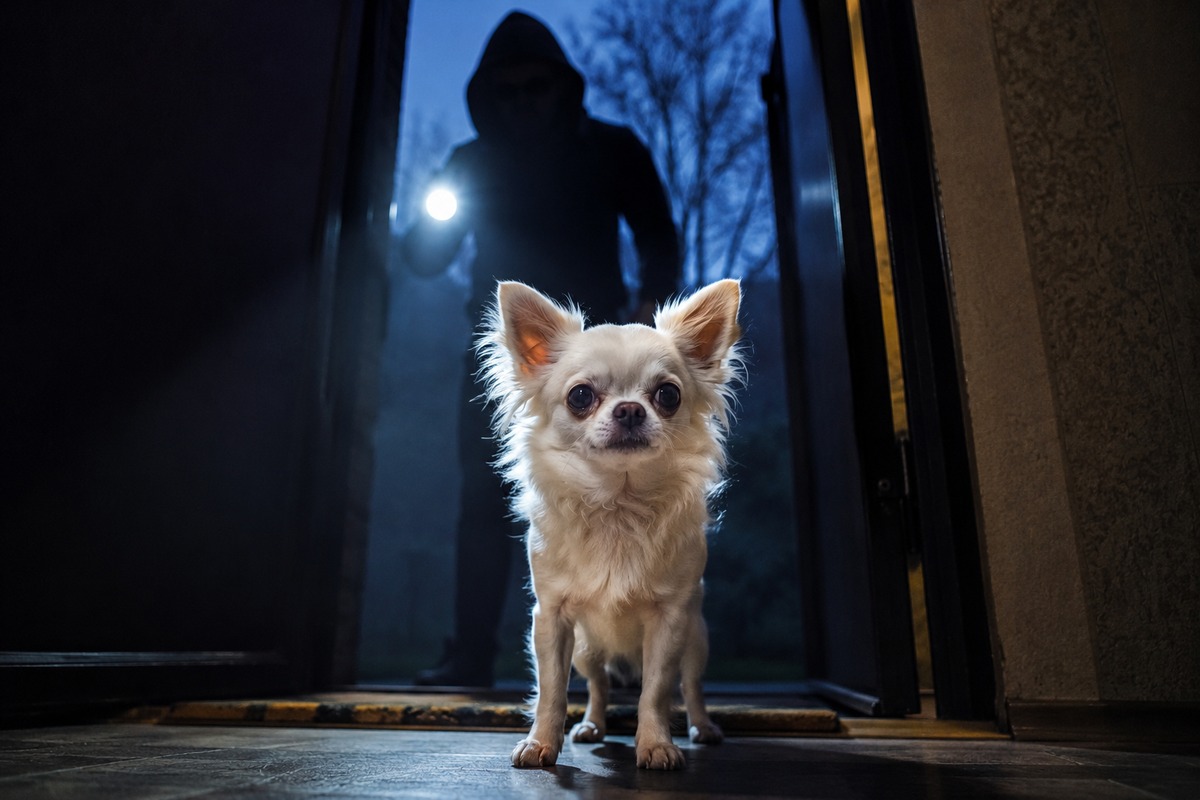
This is one of those cases where life diverges from logic. It would seem, what can a tiny Chihuahua do? But a huge Rottweiler seems like a real threat.
But if you ask any dog trainer or experienced groomer, they’ll unanimously declare: the real demons are those who weigh less than 5 kilograms. Why is this? Science (and a little common sense) identifies three main reasons: genetics, poor training, and simple fear.
Part 1. Does the Napoleon effect work?
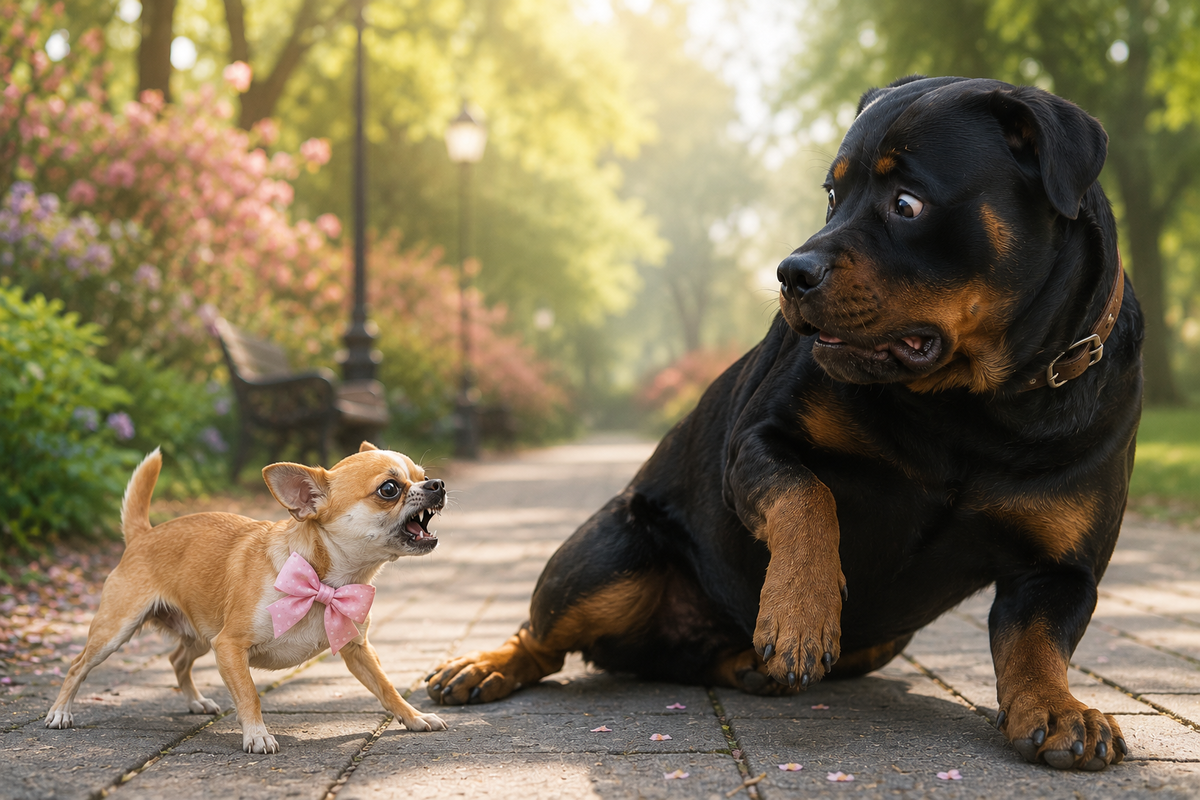
Let’s start with the main myth. There’s a belief that small dogs snap at larger ones because they don’t realize their own size: supposedly, they have a “shepherd’s brain” in a “toy terrier’s body.”
This isn’t true. Dogs are very good at distinguishing size differences through scent and body language. But the problem is different: for thousands of years, humans haven’t been selecting small breeds for “docility.”
Imagine: if a huge dog bites someone, it’s often a tragedy. Such animals were ruthlessly culled. But what if a Chihuahua bites a slipper? Well, that’s funny! Scientists call this weak selection pressure. For centuries, people have allowed small dogs to show off because the consequences of their aggression are minimal. So yes, “anger” is partly hardwired into their genes.
Moreover, a 2021 study by Finnish scientists involving 9,000 dogs showed that miniature poodles, miniature schnauzers, and Chihuahuas were the most aggressive, while Labradors and retrievers were the most kind-hearted dogs overall.
Part 2. The owner is to blame (or how we break the psyche)
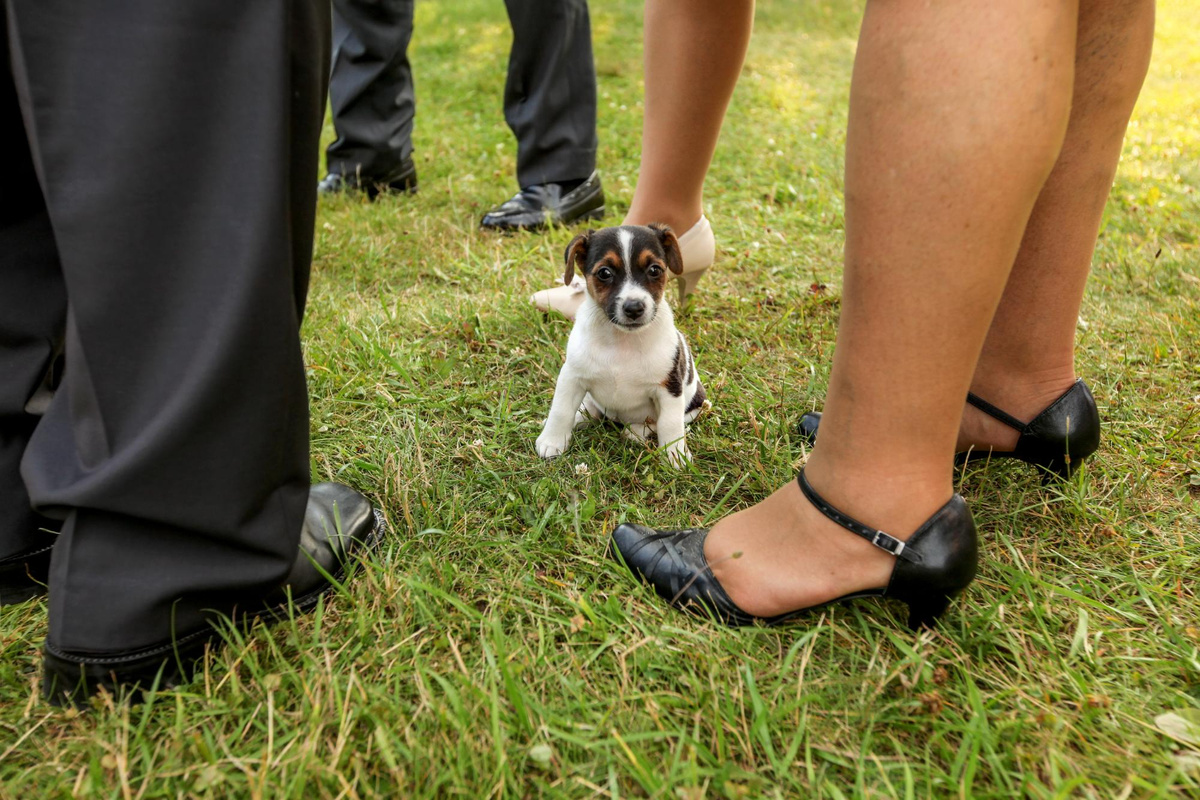
This reason is the most important and most offensive for owners. A 2025 study by the Don State Technical University showed that small breeds are 30–40% more aggressive than large breeds, and their training approach is to blame.
How did this happen?
▪️ Inconsistency (“Oh, how funny!”).
If a huge dog jumps on a guest, it’s a disaster—it’s immediately restrained. If a toy terrier jumps on a guest, it’s a “cute” moment.
Attention: By laughing at your baby’s jumping or growling, you reward this behavior. The dog learns, “The louder and angrier I am, the more attention I get.”
▪️ Hyperopeca (“Bothern Syndrome”).
Even when seeing a peaceful large dog, owners often snatch up the little one. What does the dog feel? The owner is tense, his heart is pounding, and he’s shaking. The conclusion: “A huge dog is a mortal danger! You have to attack first while daddy is panicking.” This is how we raise neurotics who are afraid of the world, and that’s not how it works.
▪️ Lack of boundaries and discipline.
“Large dogs walk on a leash, small dogs in a purse.” Research confirms that “small dogs” receive less training, are less likely to engage in active play, and are less likely to be taken on long walks. The dog accumulates pent-up energy, which results in tantrums.
The scientists’ conclusion: the level of obedience of small dogs directly depends on how consistent the owner is and whether he trains his pet.
Part 3. “The Big World of a Small Body”
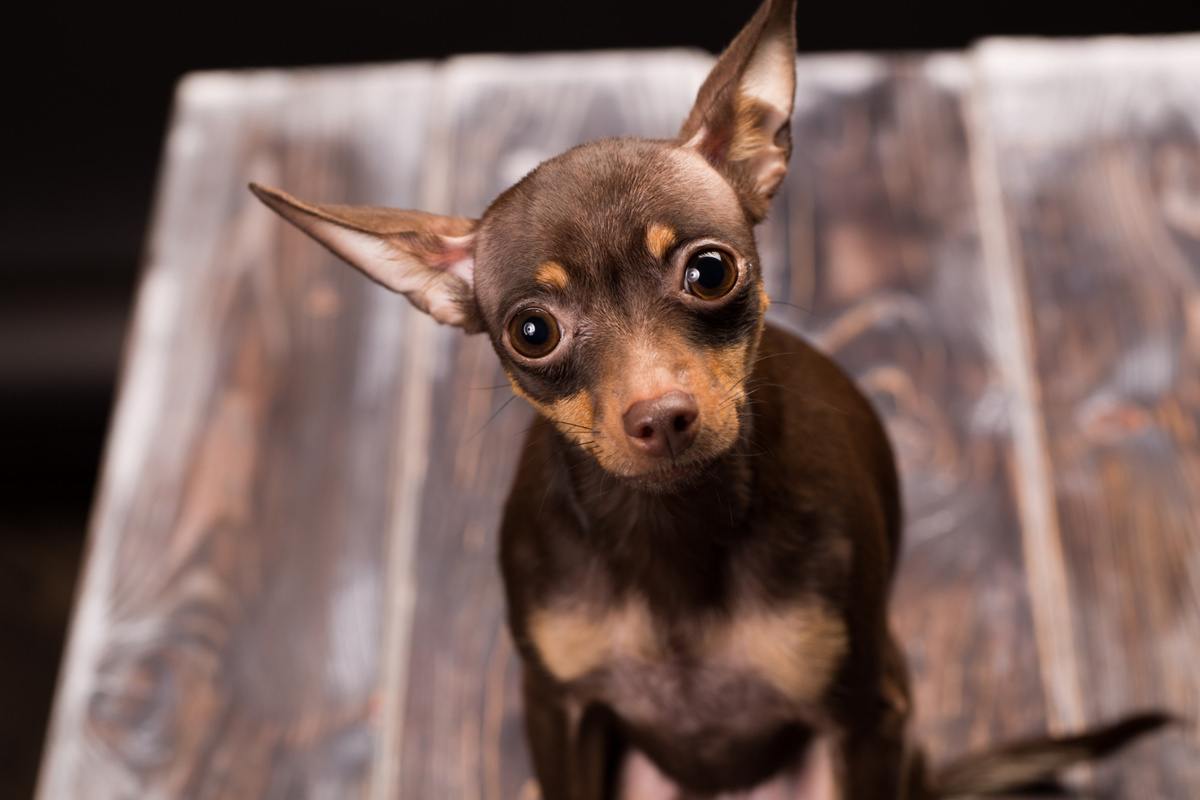
Let’s be realistic. The world is a big place. To a miniature poodle, even a regular cat can seem like a monster (no joke).
The psychology is simple: attack is the best defense.
If the animal cannot escape (or is sitting in the owner’s arms), it chooses the “threat” tactic: loud barking, baring teeth, clicking its teeth.
A 2021 study found a clear correlation: “Highly anxious dogs are five times more likely to display aggression than calm dogs.” And because small dogs are constantly shaken, cuddled, and carried like babies, their anxiety levels are off the charts.
A dog growls not because it’s “angry,” but because it’s scared . It’s a cry for help, not an attempt to dominate.
What to do with this “evil little bundle of joy”?
Practical advice
The good news is that “small dog syndrome” (not a scientific term, but simply a set of bad habits) is treatable.
Here’s a plan of action if you want to live peacefully and not be a servant to a tyrant:
▪️ Stop cooing. Stop laughing when your dog growls. Stop picking it up whenever you sense danger. It’s not a “baby,” it’s a dog.
▪️ Forced socialization. As soon as your pet is vaccinated, take him out into the world! Calmly, at a safe distance, but it’s essential to introduce him to larger dogs and noisy streets.
▪️ Training and sports. Put away the carriers! Yorkies and Chihuahuas are excellent cross-country runners, agility enthusiasts, and so on. Enroll your pet in a general dog training course (OKD). This disciplines both the mind and body.
▪️ Don’t punish with yelling. If you scold, use a stern voice, but don’t hit or yell. Aggression backed by aggression leads to neuroses. And at the very least, it’s downright inhumane.
▪️ Monitor your dog’s health. Sometimes sudden aggression is a sign of physical pain (dental, joint, or neurological problems). A veterinarian can help.
Bonus: The most explosive breeds (according to science, not ours)
According to research, be especially careful with:
▪️ Chihuahuas are a classic example of the “Napoleon complex.”
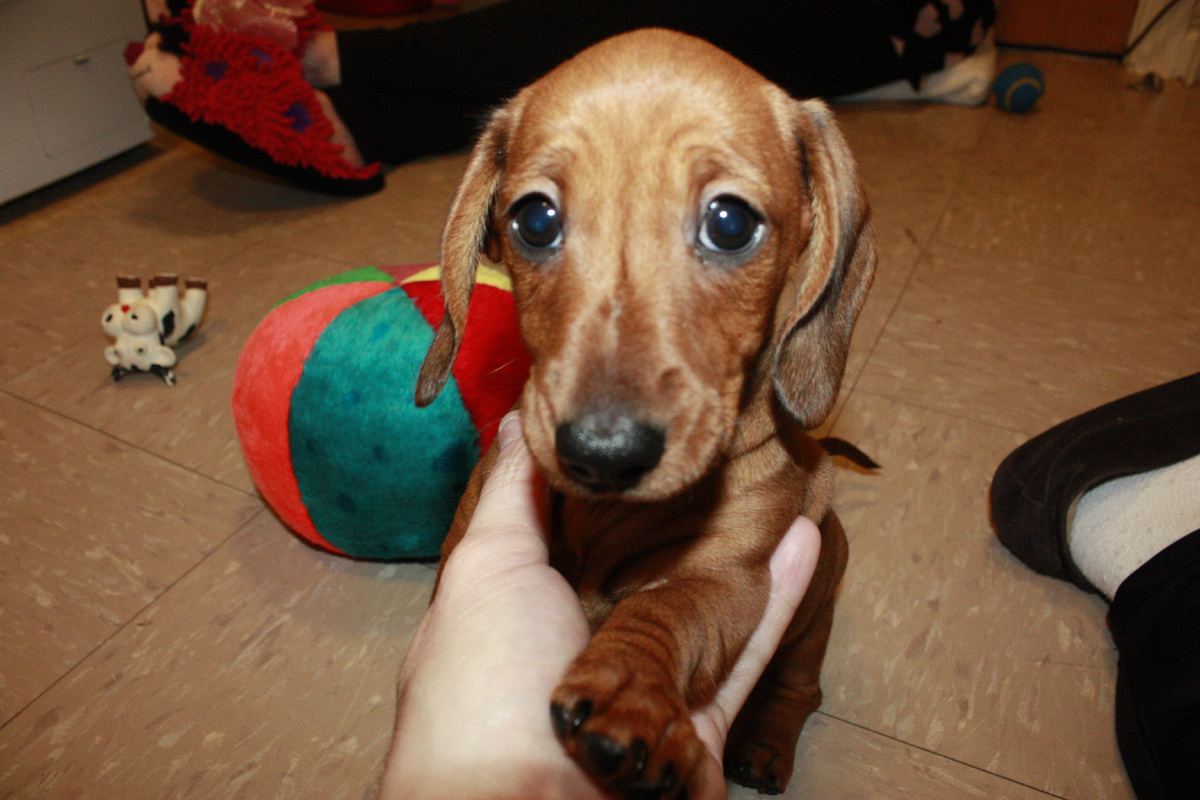
▪️ Dachshund – a stubborn hunter with a powerful grip.
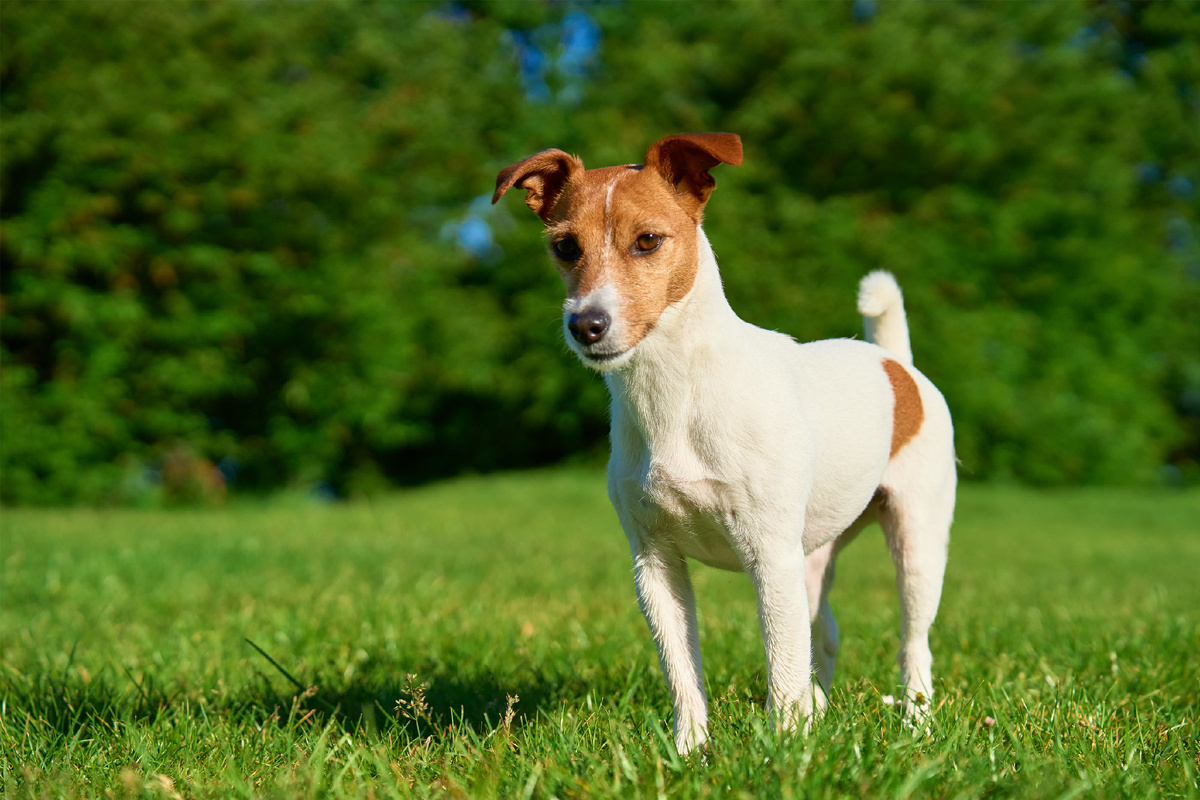
▪️ Jack Russell Terrier – a bundle of energy and stubbornness.
▪️ The Miniature Poodle and Miniature Schnauzer are very intelligent dogs that, if not exercised, turn into domestic tyrants.
Conclusion
If your little one barks loudly, don’t be so quick to call them “mean.” Look at yourself. Maybe you’ve simply forgotten that a dog, even one the size of a shoe, is still a predator. And they need rules, routine, and respect, not being kept in your comfort zone forever.
Change your upbringing, and the “evil fury” will become just a little shadow that always follows you around, feeling completely safe.