



Dog Traumatic Experiences: How the Past Shapes Fear

When instincts speak louder than memories
Dogs don’t store events like movies. They don’t replay the offender’s face in their minds. Instead, their psyche registers dangerous signals. The animal’s traumatic experience operates on the principle of conditioned reflex.
It’s an evolutionary survival mechanism. If the blow is accompanied by a sharp gesture, the gesture becomes a trigger. The brain doesn’t reanalyze the situation. It immediately initiates an avoidance response.
Associative mechanism of traumatic experience
Many people mistakenly look for a conscious memory in their pet. But the canine psyche works differently. What’s important isn’t the date of the incident, but the strong connection between the stimulus and the outcome.
For example, a raised arm is often associated with pain. This is a classic conditioned response. Research shows that even a single severe stress event forms a strong chain. The animal remembers the movement, not the person.
Reaction speed is essential for survival. Therefore, traumatic experiences trigger before awareness. The pet flinches before realizing who’s in front of it. This protects it from re-traumatization.
Research confirms that traumatic experiences leave a mark.
Scientific studies confirm long-term changes in the psyche. Animals with a negative past are more likely to exhibit anxiety. They have difficulty adapting to new environments. They have elevated cortisol levels in stressful situations.
In one experiment, puppies that had experienced pain avoided similar objects as adults. Even years later, the traumatic experience remained powerful. This isn’t just a whim, but a physiological imprint.
However, experts caution against jumping to conclusions. Fear alone cannot be used to diagnose assault. Such reactions arise from poor socialization. Sometimes the cause lies in hidden pain or genetic anxiety.
Symptoms of Fear: How to Recognize Hidden Anxiety
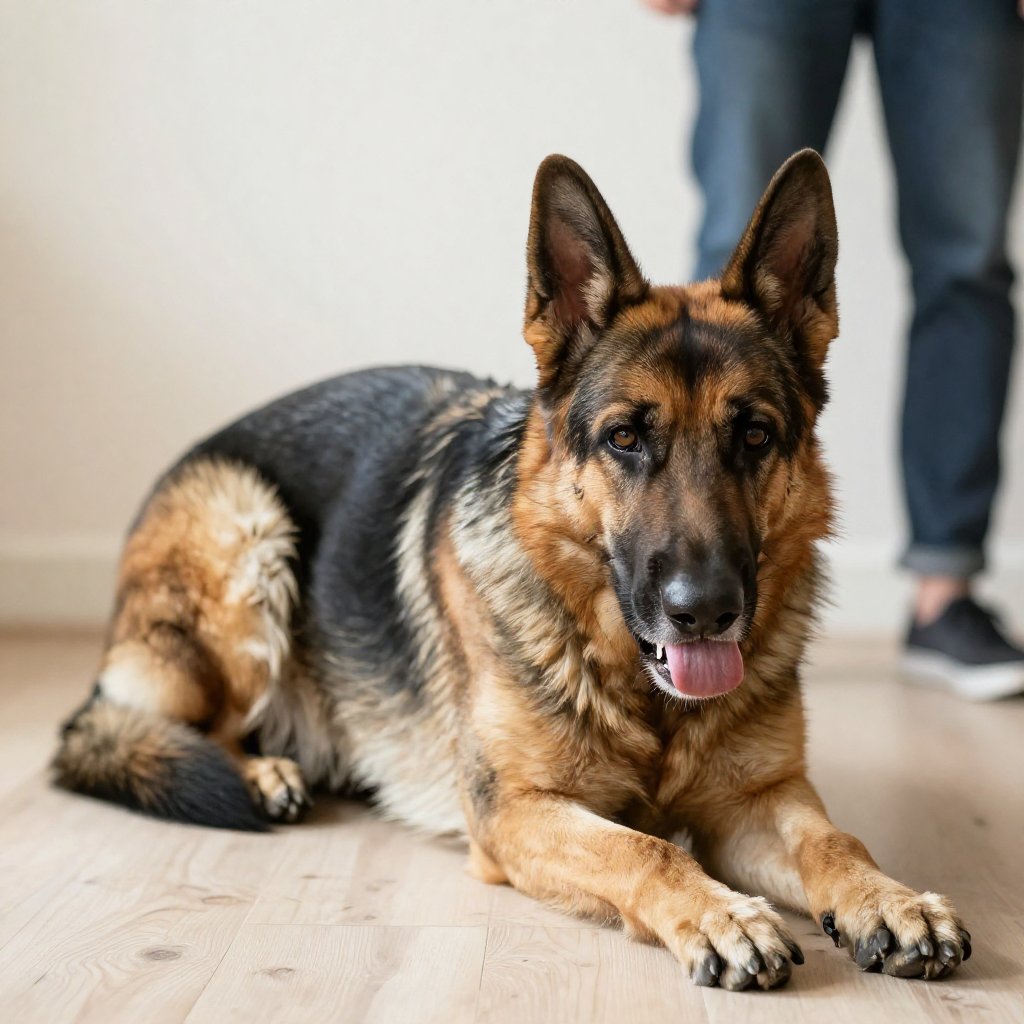
How can you tell if your pet is in danger? Often, the signs are barely noticeable to a novice. Professionals identify several key markers.
Here’s a basic checklist of behavioral cues:
-
Freezing in place when a person approaches.
-
Looking away and licking the nose without food.
-
Pressed ears and tucked tail.
-
Yawning in an unusual situation.
-
Trying to hide or lie on your back.
Growling is the final warning on this list. It indicates severe discomfort. Punishing for growling is absolutely forbidden. Otherwise, the traumatic experience will only further reinforce the fear of punishment.
Threat Generalization: Why Fear Spreads
Danger isn’t always tied to a specific source. Dogs transfer their fear to similar stimuli. This phenomenon is called generalization.
For example, if a tall man hits a pet, it may fear all men. Or if the pain was inflicted in a cramped room, the animal will avoid small spaces. The mechanism is the same— traumatic experience is at work.
American psychologist John Watson demonstrated this effect in humans in the 1920s. In experiments with Albert, the fear generalized to all furry objects. Dogs follow the same logic. They fear not the bully, but a system of cues. Therefore, a sudden stick in a child’s hands triggers the same panic as in an aggressive adult.
Correction Mistakes: What Not to Do with a Frightened Dog
A common mistake owners make is trying to forcefully train their pets. This method of forced training fails 90% of the time. Pressure only confirms the animal’s fears.
“Let him get used to it” is the most dangerous phrase in behavior modification. Holding a dog or forcibly petting him destroys trust. The animal learns: it can’t escape from a human, and it doesn’t listen to cues.
Ultimately, fear transforms into defensive aggression. Behavior experts recommend avoiding:
-
Tugging at the leash and loud shouts.
-
Overhanging the pet’s body.
-
Sudden touches to the head and paws.
-
Cornering for an “educational” conversation.
All this breaks the traumatic experience down a notch. Instead of correction, you end up with a worsening phobia.
Restoring Security: A Step-by-Step Strategy
Fear isn’t cured overnight. It’s a long process of retraining. A predictable and calm environment must be created. Positive reinforcement is the key.
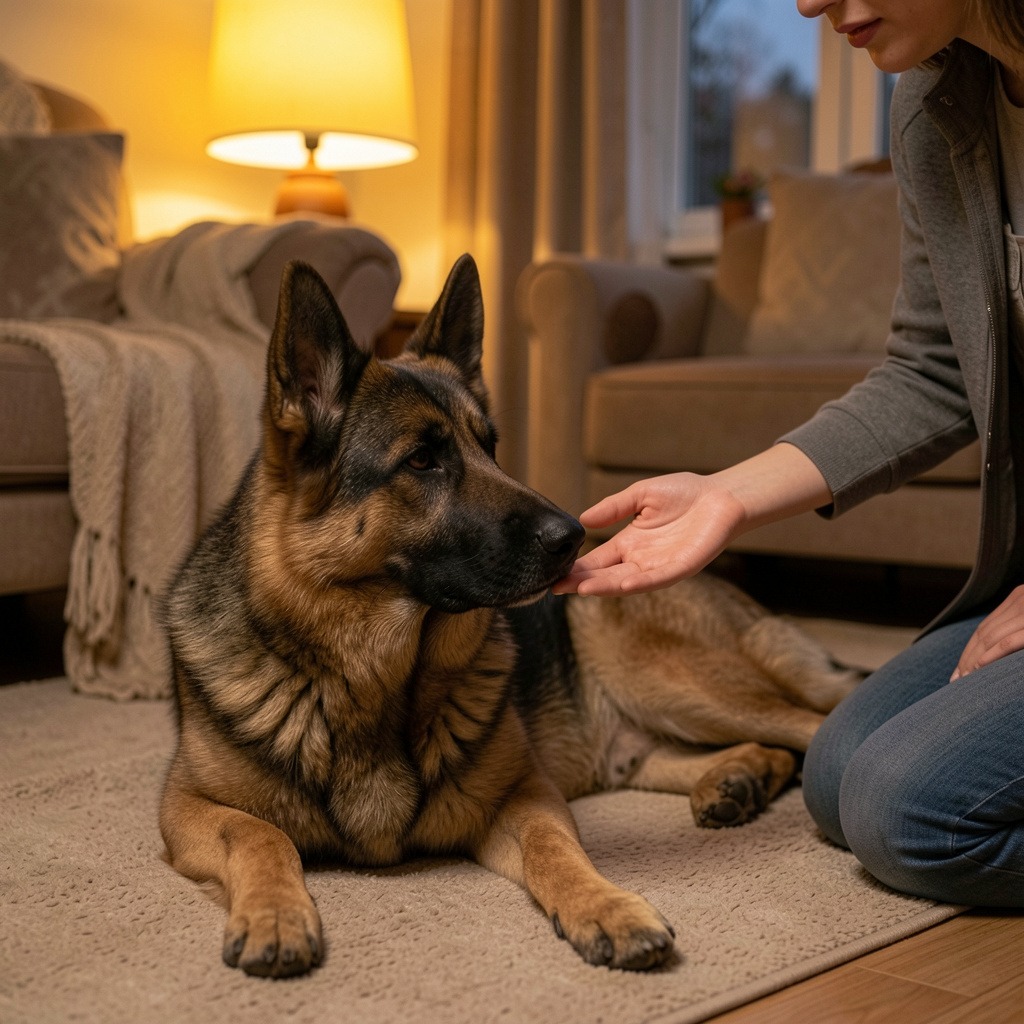
It’s important to give the dog a choice. It needs to know it can go into hiding. No one will drag it out. Contact only begins at the pet’s initiative.
A quote from the Association of Veterinary Behaviorists’ guidelines: “Confidence is built on control. The animal must control the communication distance.”
Step-by-step action plan:
-
Avoid shouting and sudden movements at home.
-
Replace punishments with treats for calmness.
-
Use short play sessions rather than long cuddle sessions.
-
If fear appears, step back and give your pet space.
If anxiety is severe, have your dog checked. Pain or hormonal imbalances can increase reactivity. Only after ruling out physical causes should you address the traumatic experience with a dog trainer.
Remember: past experiences are not completely erased. But their influence can be neutralized. A dog can learn to trust again. Calmness, rituals, and patience work wonders where yelling fails.