
10 Breeds That Can Handle Solitude Easily

The main challenge for city dog owners is the workday, during which their pet is left alone. Not all breeds handle this equally: some howl and chew doors after an hour, while others sleep peacefully on their dog bed until their owner returns. We’ll look at ten breeds that dog handlers consider among the most stress-resistant when it comes to short-term loneliness.

A dog’s ability to calmly be left alone isn’t the result of “proper upbringing” alone. It’s a combination of breed characteristics, temperament, and early life experiences. Zoo psychologist Sofia Baskina, PhD, emphasized in an open lecture on the Postnauka platform that some breeds have a stronger genetic predisposition to separation anxiety, while others have a significantly weaker one.
Experts at the Russian Cynological Federation typically distinguish two groups of dogs “comfortable in solitude”: independent hunting and guard breeds, which historically worked without constant human contact, and calm companions with a phlegmatic temperament. Below are ten such breeds.
1. Chow Chow
An ancient Chinese breed with an independent, almost cat-like character, the Chow Chow doesn’t require constant contact with its owner: the dog can lie in its place for hours without demanding attention.
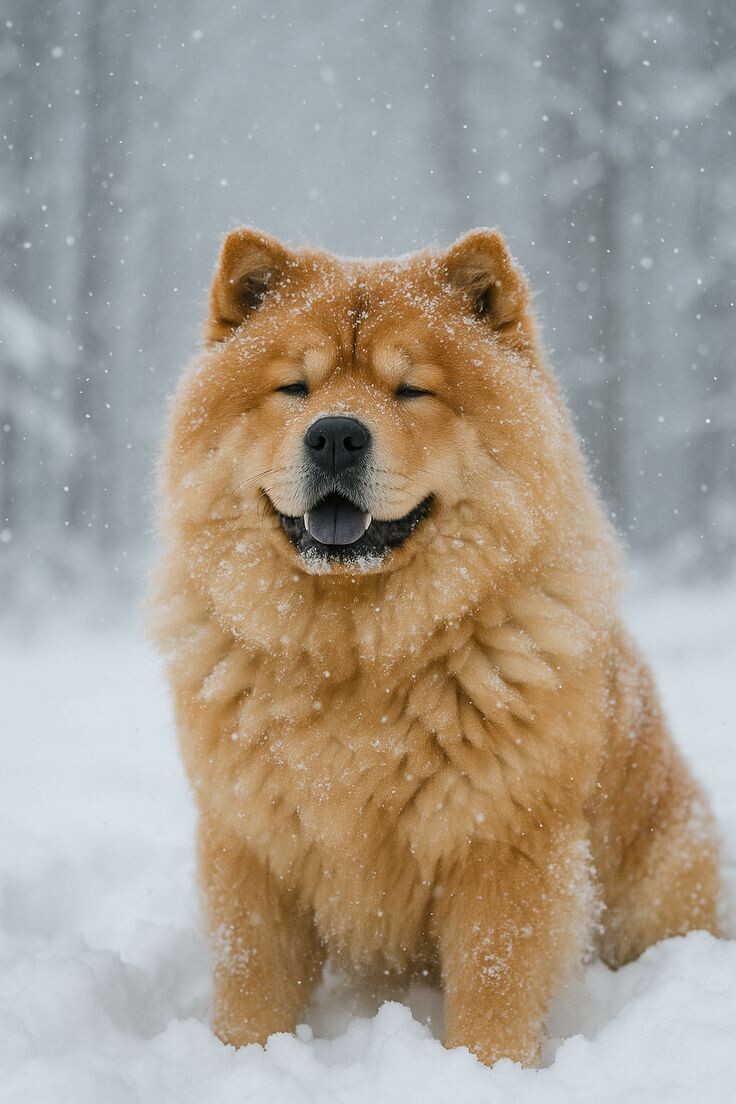
Cynologist Tatyana Ivanova, an RKF expert on Spitz and primitive breeds, noted in an article for the magazine “My Friend Dog” that Chow Chows choose one owner but don’t “stick” to them. Provided they get enough exercise in the morning and evening, they can easily spend the workday alone.
2. Basenji
An African “barkless dog” from the Congo River basin, Basenjis are known for their extreme independence: for centuries, African hunters selected individuals capable of making decisions without command. This became a breed trait.
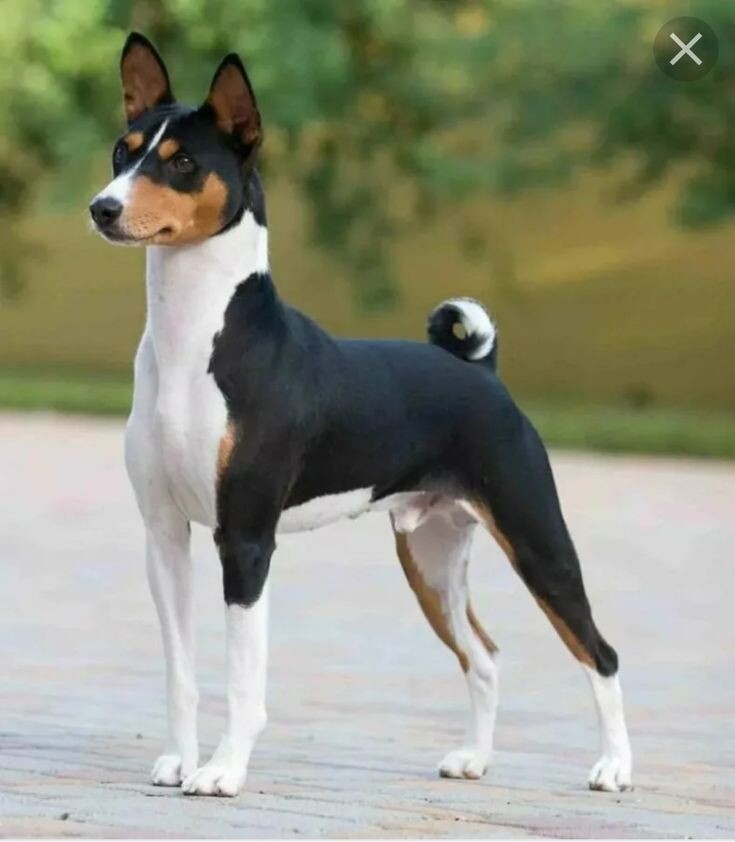
Breeder Anna Efremova, an RKF expert on primitive breeds, explained in the “Sobakin” podcast that Basenjis behave like cats when alone: they groom themselves, perch on elevated surfaces, and watch the window. The key is to provide the breed with active exercise, otherwise, their unspent energy will result in damage to things.
3. French Bulldog
A toy breed developed in the 19th century as a companion for city dwellers, the French Bulldog’s low exercise requirements and generally phlegmatic temperament make it one of the most office-friendly breeds.
Maria Solovieva, breeder of the Bonjour France kennel, noted in a Zooinform article that French bulldogs spend most of the day sleeping or quietly watching. With a cool bed, the breed can easily tolerate 6-8 hours of solitary time, as long as they get a walk and interaction in the morning and evening.
4. English Bulldog
Another companion breed with minimal exercise requirements, the modern English Bulldog is a calm house pet who prefers to lie on the couch rather than run around the apartment.
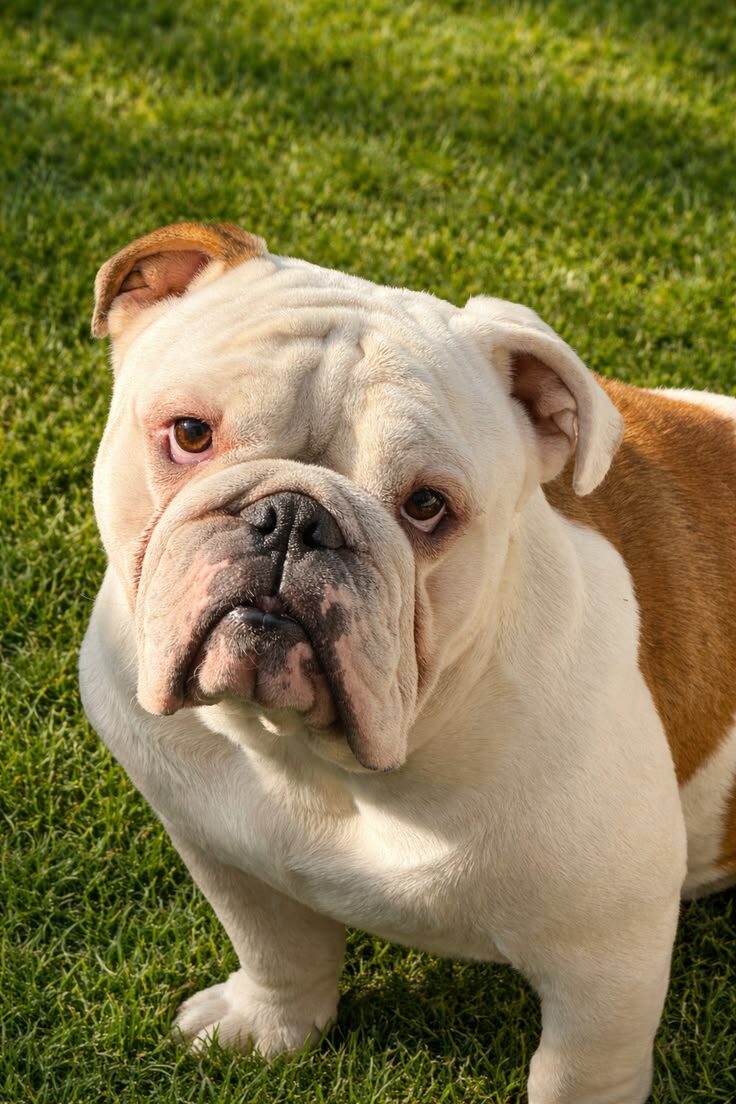
Canine expert Vladimir Gritsenko, author of training manuals, noted in his materials that English bulldogs are not prone to destructive behavior when left alone: they don’t chew furniture or howl at neighbors. Moreover, the breed benefits from a cool microclimate in the summer and a sufficiently soft resting place.
5. Basset Hound
A French hound with a phlegmatic temperament. When not hunting, the Basset Hound spends most of its time sleeping: 14–16 hours a day is the normal amount of rest for the breed.
A characteristic feature of the Basset Hound is its low reactivity to household noises. According to cynologist Tatyana Ivanova, an RKF expert, Basset Hounds rarely bark at doorbells or footsteps in the entryway, making them good neighbors for residents of multi-story buildings. With an evening walk of about an hour, the breed can easily endure a workday alone.
6. Shiba Inu
A Japanese breed from the primitive Spitz group, Shiba Inus are independent by nature, not prone to clinging, and are content to spend time on their own.
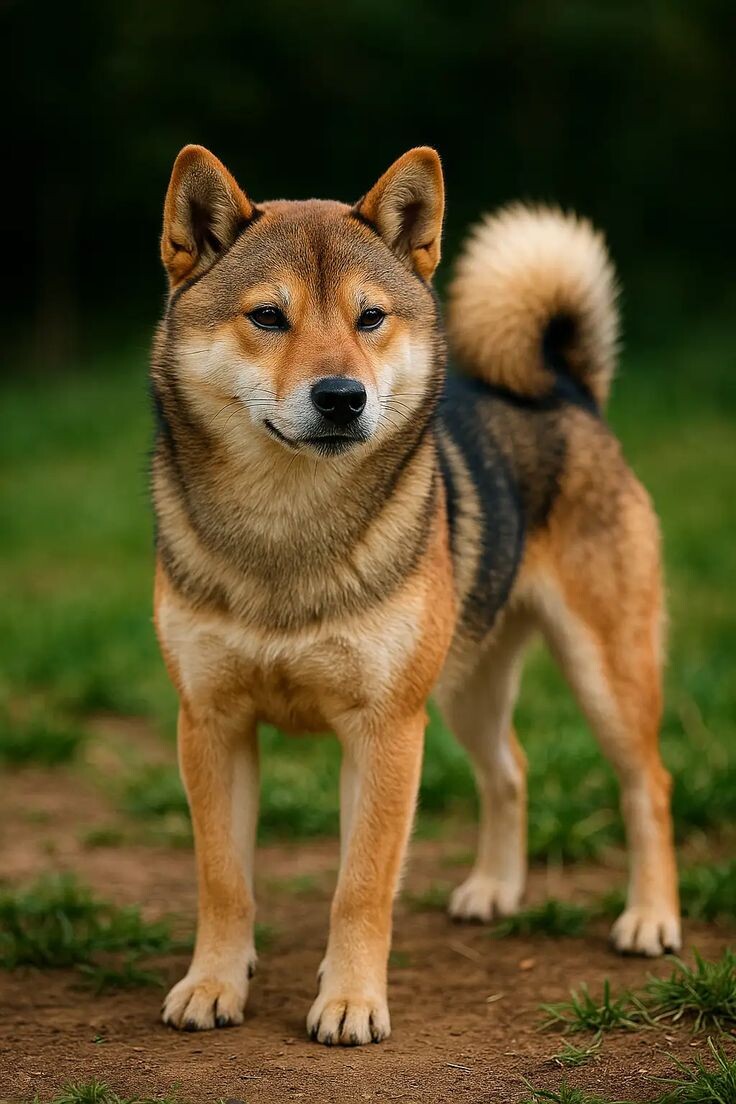
Shiba Inus inherited the ability to be self-sufficient from their wild ancestors: the dog finds its own activities without requiring constant play from its owner. The key is to provide the breed with sufficiently challenging “sniffing” walks, so that at home the Shiba can get enough sleep and not disturb the neighbors.
7. Greyhound
An English greyhound bred for high-speed hunting across open fields. Despite its reputation as a sporting breed, the greyhound is a typical couch potato: after a short but intense walk, the dog will lie down on a soft surface for the rest of the day.
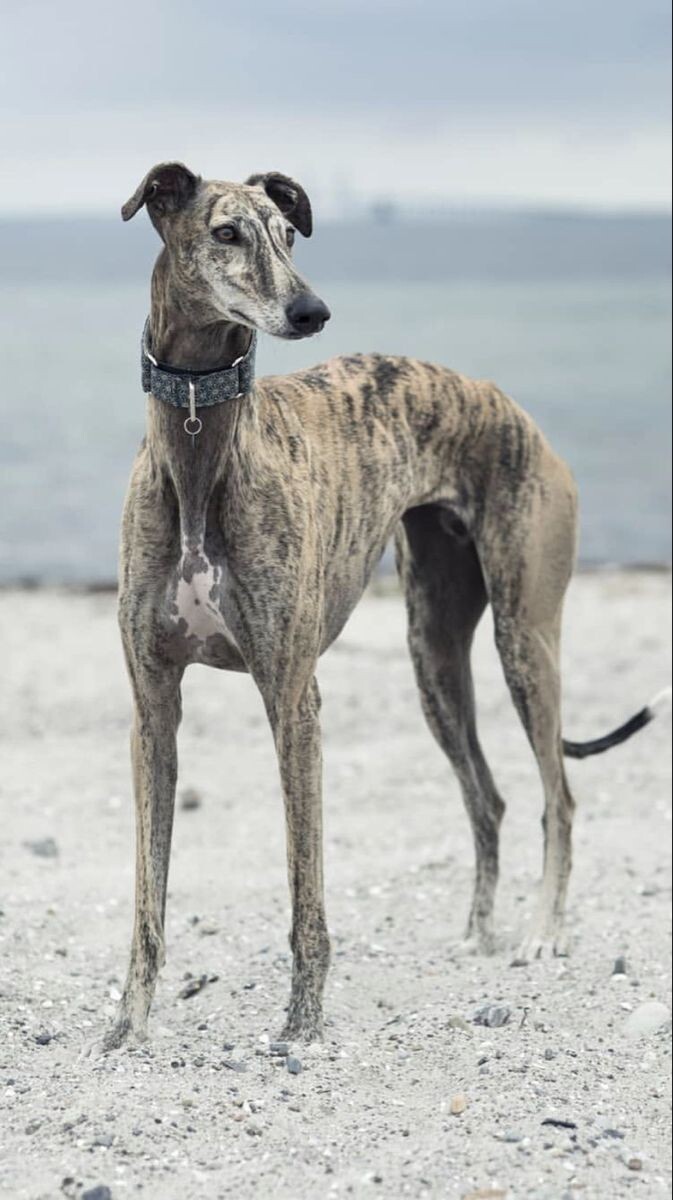
Cynologist Alina Sher, a specialist in hunting breeds, noted in a publication on the ZooMir portal that greyhounds are so-called “sprinters”: they require 20-30 minutes of vigorous exercise per day to be completely satisfied. This makes the breed suitable for busy owners.
8. Whippet
A close relative of the greyhound, but smaller in size, the whippet shares the same “sprint” routine: a short burst of activity on a walk followed by a long rest at home.
The breed was historically used by English miners for hare hunting and rat racing. This made the Whippet a compact yet easy-to-care-for dog. Breeder Elena Vlasenko, an RKF expert, noted in an article on the ZooMir portal that the Whippet can easily tolerate several hours alone, provided it has a warm place—its short coat and thin skin make the breed sensitive to cold.
9. Shar Pei
An ancient Chinese breed with distinctive wrinkled skin, the Shar Pei is phlegmatic in temperament with a strong watchdog nature. The breed is characterized by restraint in emotions and a strong attachment to one person, but without being clingy.
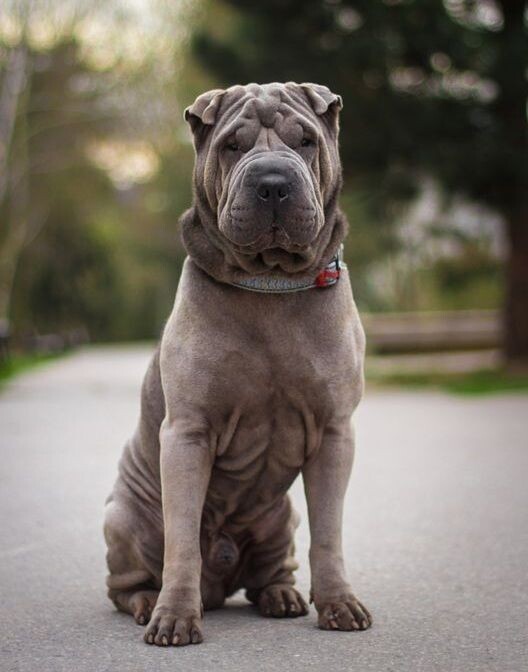
In an article for the magazine “Friend,” dog trainer Anna Efremova noted that Shar-Peis choose their own distance from their owners: they can lie in the next room for hours without requiring attention. At the same time, the breed is a responsible guardian of its territory—it rarely barks, but reacts to strangers in the entryway.
10. Shih Tzu
A Tibetan toy breed, historically bred as a companion dog for Buddhist monasteries, the Shih Tzu’s calm temperament, low exercise requirements, and small size make it one of the most tolerant toy breeds when it comes to being alone.
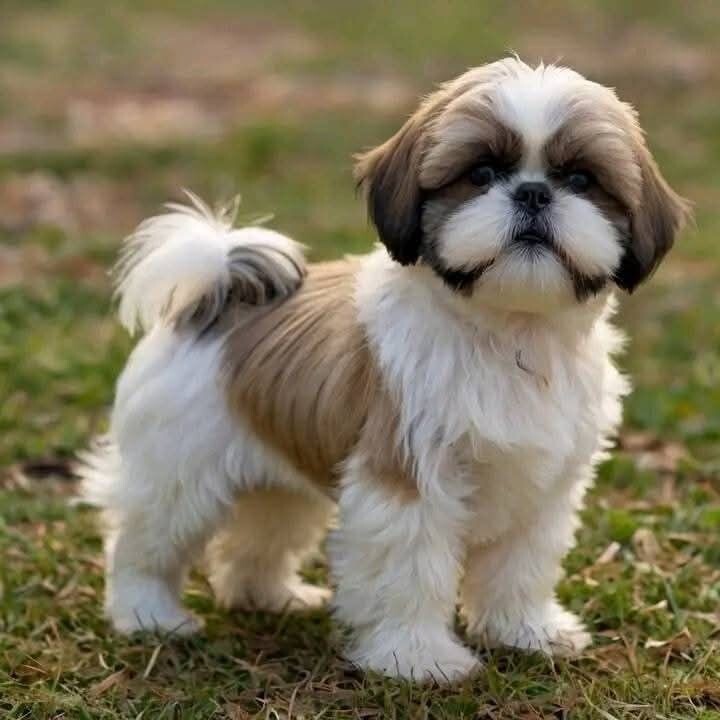
Breeder Maria Solovieva noted in a Zooinform article that Shih Tzus spend the day comfortably on a bed by the window and greet their owners without excessive excitement upon their return. This breed requires daily grooming for its long coat, but in terms of emotional stability, it is considered one of the most stable.
What to consider when choosing
The ability to tolerate solitude is not an absolute breed characteristic, but rather a statistical tendency. An individual dog in any of the breeds listed may be more attached to its owner than the “average” specimen.
Zoo psychologist Sofia Baskina emphasized in her articles that a puppy’s early age is a critical factor. If a dog is accustomed to gradually increasing amounts of time alone before four months, it’s more likely to tolerate a workday without any problems. If a puppy has been with its owner all the time before this age, any breed is at higher risk of developing separation anxiety.
How to help your dog cope with loneliness more easily
Cynologists give several universal recommendations for all breeds:
— provide an active morning walk with physical and sniffing exercises;
— provide long-lasting activities: licking mats, toys with treats inside, chew bones;
— accustom the puppy to solitude gradually — starting with 5-10 minutes, and then increasing the time;
— provide a quiet place to rest away from the front door and a window facing a busy street;
— do not make the meeting and farewell emotional events — this reduces the dog’s level of excitement.
If these conditions are met, even breeds not considered “independent” can safely spend the day in an apartment. Conversely, without training, even an independent Basenji or Shiba Inu risks howling and chewing furniture.
Does your dog handle a few hours alone easily, or is it always a challenge for the family? Share your experiences in the comments – what breed do you have and how do you cope with the workday?