


10 Dog Breeds Prone to Severe Anxiety

Across the diverse kaleidoscope of dog breeds, the prevalence of anxiety disorders varies considerably. Some breeds, seemingly captivated by their nature, are more susceptible to anxiety than others. Like humans, dogs can suffer from various forms of anxiety, including severe separation anxiety, pervasive generalized anxiety disorder, and fearful phobias associated with specific stimuli, such as loud noises or unfamiliar faces.
The predisposition of some breeds to severe anxiety can be explained by a combination of factors—genetic inheritance, unique breed traits, environmental influences, and the historical role they played alongside humans. For example, breeds historically bred for tasks requiring increased alertness, such as guarding or herding, often exhibit a higher tendency toward anxiety due to their innate need to be alert.
Similarly, breeds known for their close bonds with people may be more prone to separation anxiety. Understanding these breed-specific anxiety tendencies is crucial for potential pet owners, as it allows them to better prepare for these challenges, thereby promoting the well-being and quality of life of their four-legged companions.
💬 American scientists from Ohio State University delved into the study of ten dog breeds known for their increased susceptibility to severe anxiety. They explored the origins of their anxiety, characteristic signs, and the underlying causes that contribute to elevated stress levels in these amazing animals.
1. Border Collie
Border Collies are true virtuosos in the canine world, their keen intelligence, agility, and innate herding skills have cemented their status as one of the most versatile working breeds. However, the very qualities that make them so exceptional can paradoxically also cause severe anxiety. Their inquisitive intellect and boundless energy require constant mental and physical stimulation. Without adequate exercise, these dogs risk developing anxiety, manifesting in obsessive pacing, excessive barking, and destructive behavior.
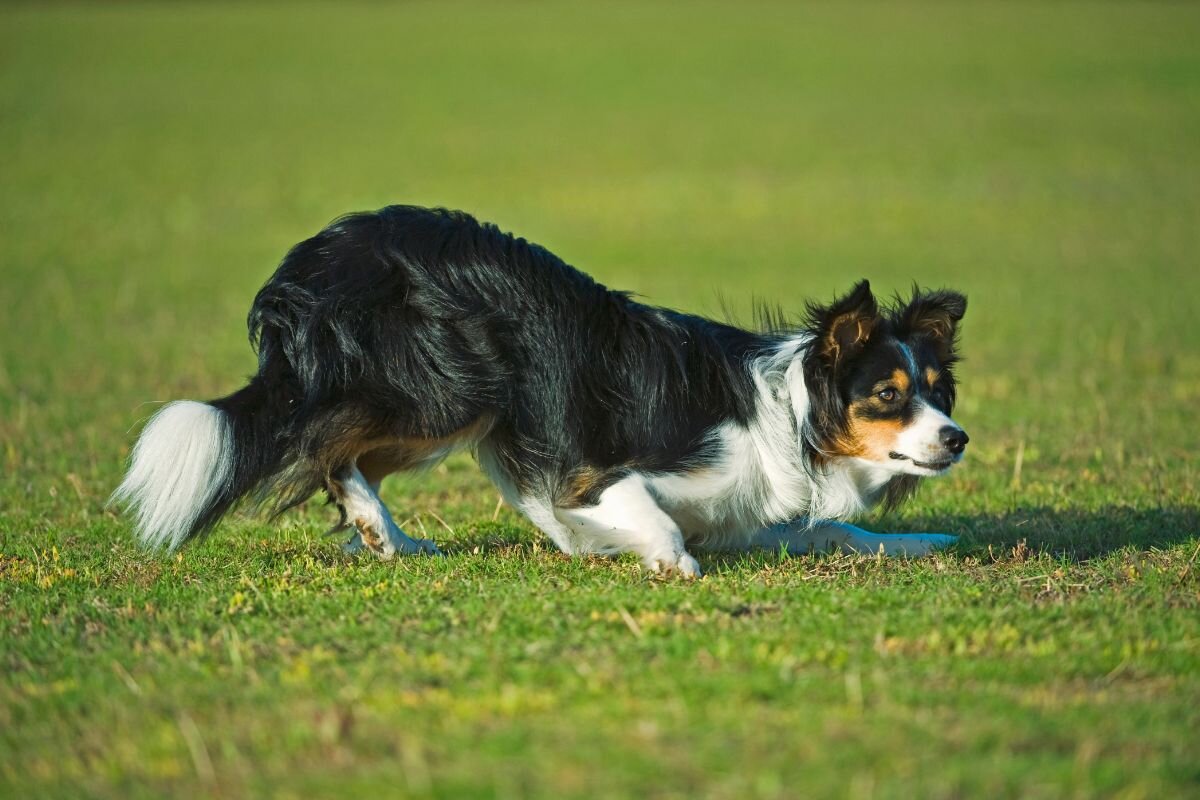
Historically, Border Collies were bred to work closely with people in diverse and often challenging environments, making them extremely sensitive to changes in their surroundings. Unpredictable or static situations can cause them stress. Furthermore, their innate herding instincts drive them to vigilantly guard their “human flock,” leading to severe separation anxiety.
2. German Shepherd
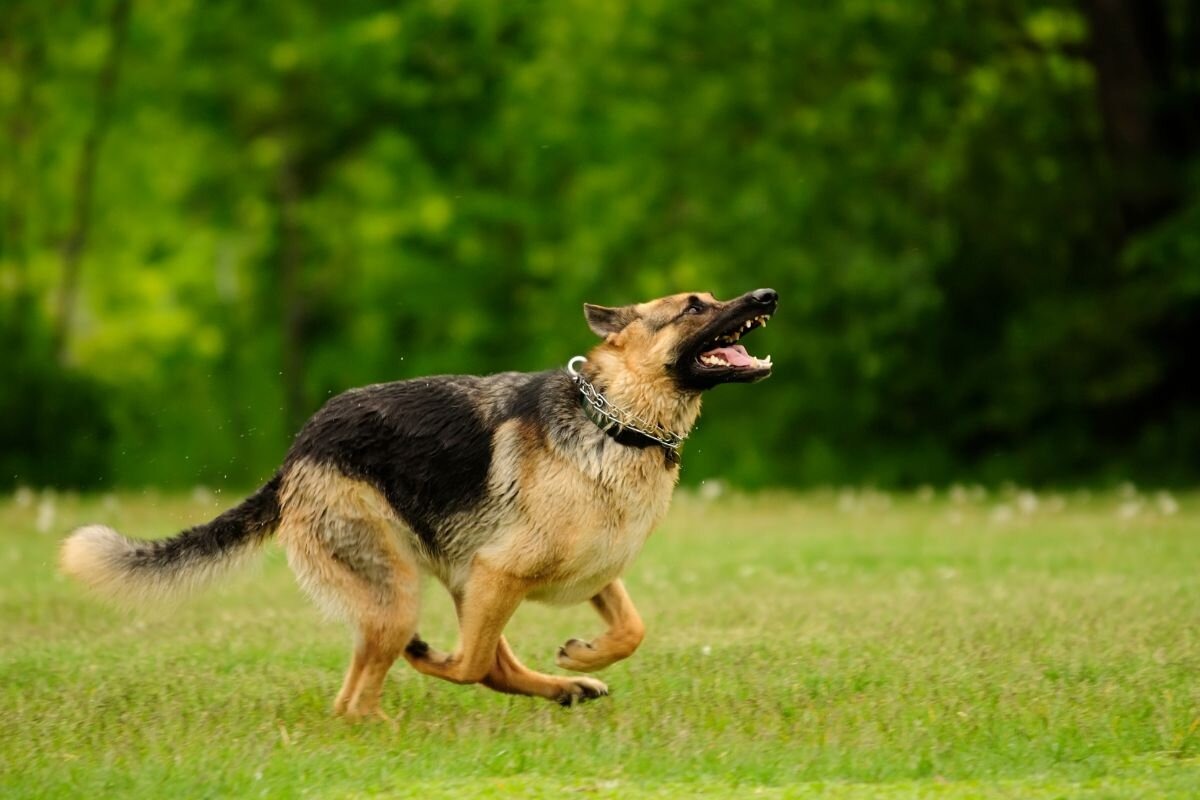
German Shepherds, with their distinguished history as military, police, and working dogs, are renowned for their loyalty, courage, and versatility. However, these very qualities can make them vulnerable to anxiety. Their deep bond with their owners and strong protective instincts can lead to separation anxiety and stress when away from their human companions.
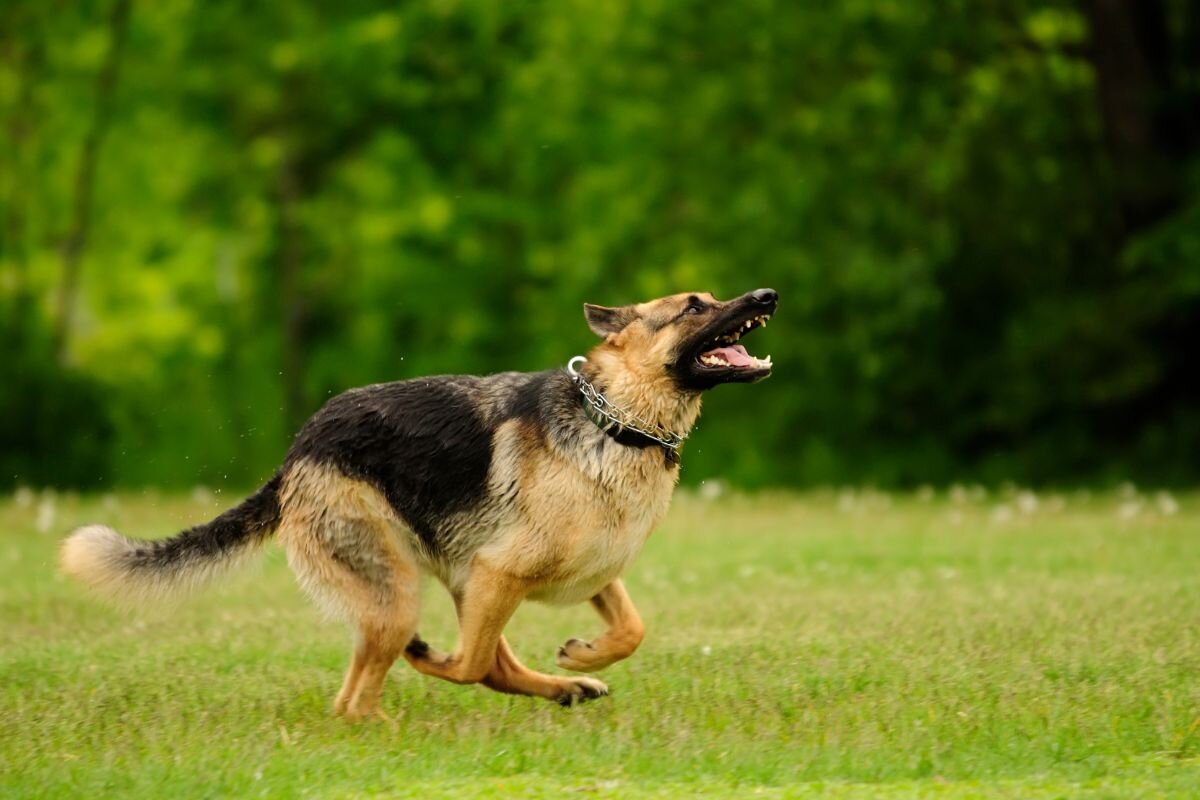
Furthermore, German Shepherds are genetically predisposed to certain health issues, such as hip dysplasia, which can exacerbate anxiety due to chronic pain and mobility issues. Their heightened sensitivity and exceptional intelligence require consistent training and socialization from an early age to prevent the development of anxiety. Otherwise, they risk becoming overly wary or even aggressive toward strangers or in unfamiliar situations.
3. Labrador Retriever
Labrador retrievers are one of the most popular dog breeds worldwide, beloved for their friendly nature, devotion, and adaptability. However, their widespread popularity does not protect them from the risk of developing severe anxiety. Labradors are particularly susceptible to separation anxiety, rooted in their intense desire to be close to their human family and their historical role as companion dogs.
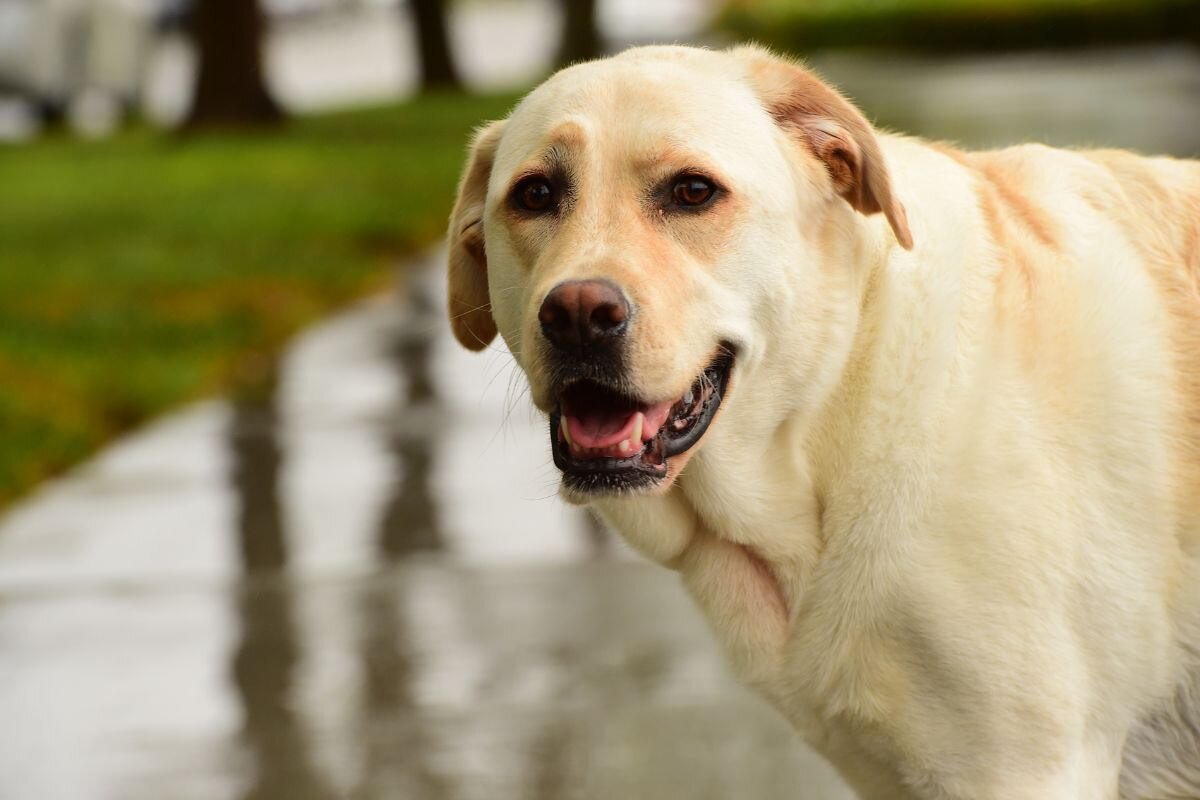
This breed thrives in social and active environments, and when left alone for extended periods, they can become depressed, resulting in destructive behavior and excessive barking. Furthermore, Labradors are energetic and playful creatures that require adequate physical exercise and mental stimulation to prevent anxiety.
4. Australian Shepherd
Australian Shepherds are dynamic, intelligent, and highly energetic dogs originally bred to herd livestock. Their boundless energy and keen intelligence mean they require constant attention and exercise, without which they can develop severe anxiety. This breed’s herding instinct can manifest itself in undesirable behaviors, such as chasing cars or an irresistible urge to follow their owners like a “tail.”
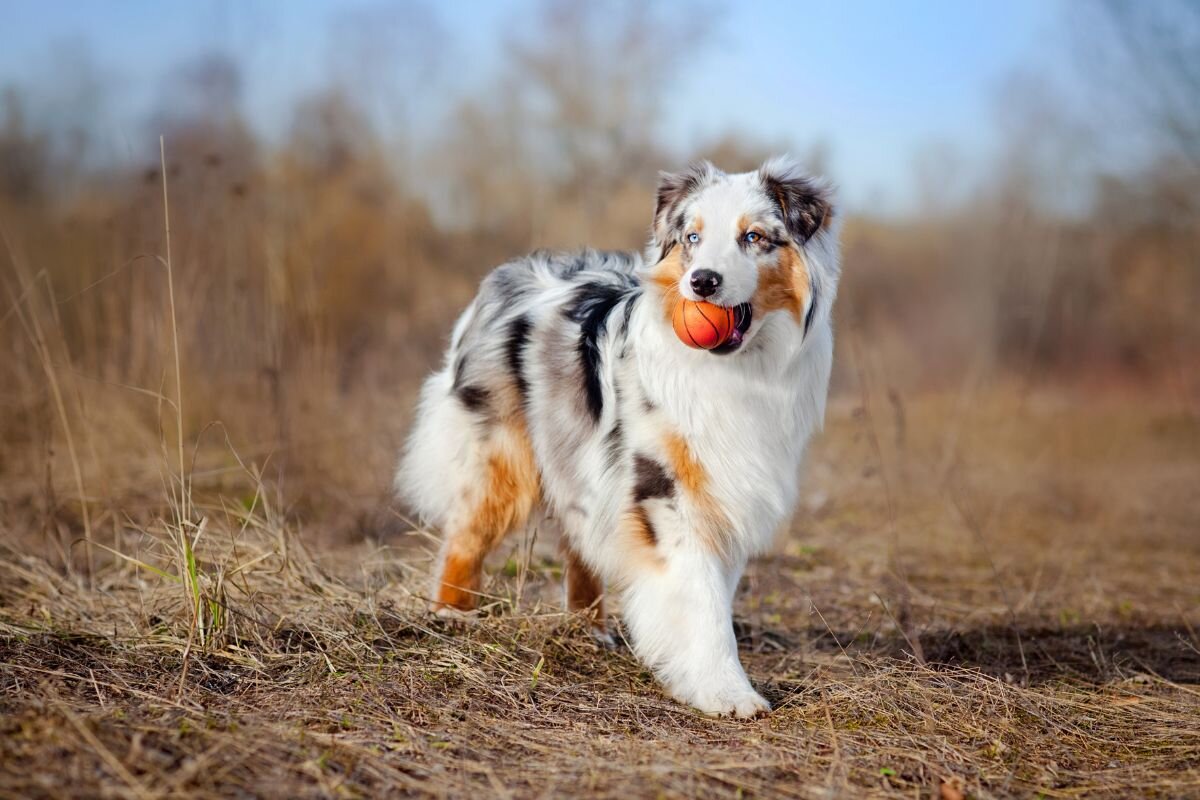
Australian Shepherds are also known for their deep attachment to their owners, making them vulnerable to loneliness. Without proper socialization and training, their natural vigilance can develop into persistent anxiety, especially in unfamiliar or chaotic environments. These dogs require experienced and attentive care to channel their energy constructively and prevent the development of anxiety disorders.
5. Jack Russell Terrier
Jack Russell Terriers are small in size but strong in personality, known for their fearless nature and boundless energy. Originally bred for fox hunting, this breed possesses an insatiable drive to pursue prey and exceptional stamina, requiring both physical and mental stimulation. Without adequate stimulation, these terriers risk becoming extremely anxious and destructive, digging uncontrollably or barking shrilly.

6. Cocker Spaniel
Cocker Spaniels, with their gentle and affectionate nature, have won the hearts of many families. However, this breed is also prone to anxiety, particularly severe separation anxiety and fear-related anxiety. Their historical role as companion dogs has predetermined their deep emotional bonds with their owners, and prolonged separation can plunge Cocker Spaniels into depression.

Furthermore, some Cocker Spaniels are more prone to health issues, such as ear infections, which can exacerbate anxiety, causing discomfort and pain. Socialization is crucial for this breed to prevent the development of anxiety, as without positive early experiences, Cocker Spaniels risk becoming shy or timid in unfamiliar situations.
7. Bichon Frise
These fluffy, snow-white bundles of affection have won the hearts of many with their affectionate nature, becoming a popular choice for those seeking a loving four-legged companion. However, behind their cheerful appearance can lurk a tendency toward anxiety, particularly separation anxiety, rooted in their deep attachment to their owners. Bichons thrive on human companionship, and prolonged periods of loneliness can plunge them into a state of anxiety, resulting in destructive behavior.
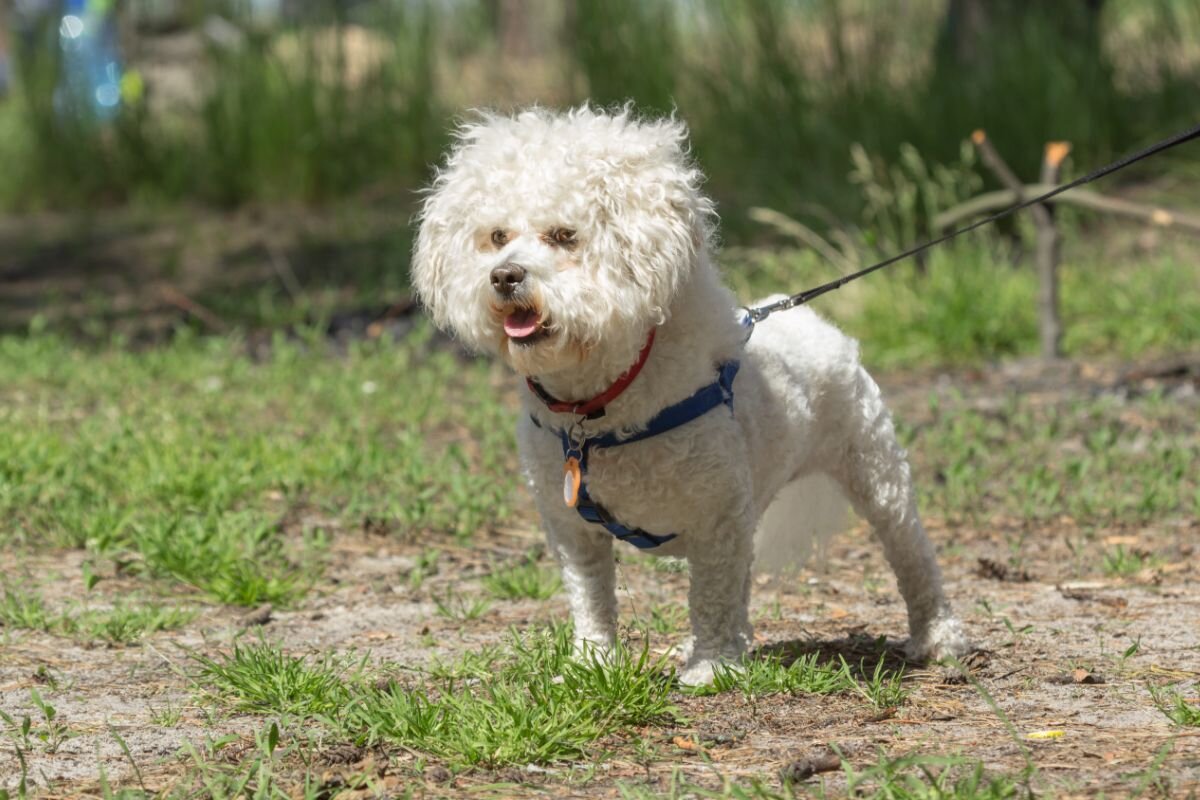
Furthermore, the Bichon Frise’s sociable nature means they can become stressed if they feel ignored or isolated. Early socialization and constant interaction are key to managing anxiety in this breed. Only with timely adaptation and constant attention will these furry creatures maintain their carefree disposition.
8. Chihuahua
Chihuahuas may be the smallest of all dog breeds, but their tiny bodies conceal a powerful personality. They are often unaware of their small size. Chihuahuas are known for their devotion and tender affection for their owners, which, unfortunately, can lead to excruciating separation anxiety. They are also prone to fear-based anxiety, especially around larger dogs or in noisy environments, where their small stature makes them vulnerable.

Early socialization and training are essential for Chihuahuas, helping them gain confidence and reduce anxiety. Despite their compact size, these dogs require sufficient mental and physical stimulation to prevent anxious behaviors such as excessive barking or aggression. Only with a patient approach will their feisty nature fully blossom.
9. Dachshund
Dachshunds, with their distinctive elongated bodies and short legs, were originally bred for hunting. This breed has a strong hunting instinct and can exhibit independence and stubbornness—traits that can become a source of anxiety if handled improperly. Dachshunds are particularly susceptible to separation anxiety because they form strong bonds with their owners and are at risk of becoming depressed when left alone.

Their hunting heritage also means that dachshunds can become anxious when understimulated or given limited opportunities to explore their surroundings. Consistent training, socialization, and providing opportunities to express their instincts are vital to preventing depression in this breed.
10. Doberman
Dobermans embody strength, intelligence, and a powerful protective instinct. Originally bred as working dogs, this breed can be prone to anxiety, especially if it doesn’t have a clear role or doesn’t receive sufficient mental and physical stimulation. Their protective nature, so valuable in the past, can become a source of stress and anxiety in today’s world if the dog perceives a threat to its family or territory.

Final thoughts
The predisposition of some breeds to severe anxiety highlights the importance of thoroughly understanding the breed’s specific needs and characteristics before deciding to get a dog. For breeds prone to anxiety, proactive measures such as consistent training, providing adequate exercise, and creating a stable, loving environment can significantly reduce the risk of problems.