
10 Things Dogs Can Identify by Smell

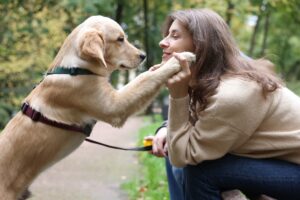
Have you ever noticed how a dog, barely stepping through the door, already knows more about you than some friends do after an hour of conversation? You walk home after a hard day, and she’s already looking at you with such concern, as if she’s read your inner monologue. No magic. Just a nose.
I have been observing dogs for a long time, and I increasingly come to the conclusion that we live alongside creatures whose abilities we are simply not able to fully appreciate.
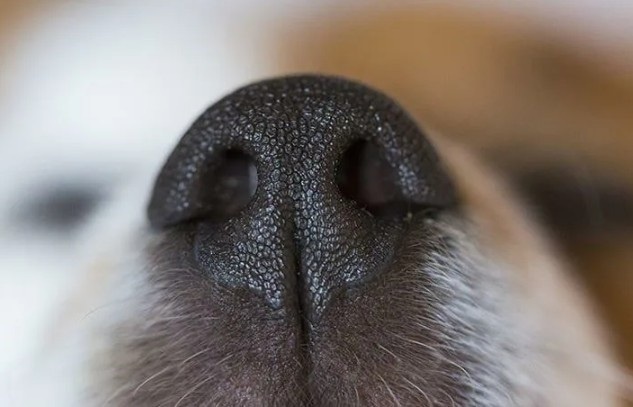
A dog has up to 300 million olfactory receptors. We have about five to six million. This isn’t just a difference in numbers—it’s a world apart. For a dog, smell is language, history, news, and emotional feedback all rolled into one.
Let’s go over ten things your dog “reads” with his nose. And trust me, you’ll look at him with completely different eyes after this.
1. Your emotional state
This is perhaps the most surprising thing. When you’re nervous, angry, or happy, your body releases various hormones: cortisol, adrenaline, endorphins. For us, this is internal chemistry. For a dog, it’s literally a scent. They don’t read your body language first—they sniff you.
I think that’s why dogs so often “come” to us in difficult times—laying their heads on our laps and snuggling close. They don’t see that you’re sad. They sense it—literally. Fear smells. Anxiety smells. And joy smells, too.
Incidentally, this is precisely why experienced dog trainers say: if you’re afraid of an unfamiliar dog, it’s practically impossible to hide it. The dog already knows.
2. Diseases and changes in health
It sounds almost unbelievable, but dogs are able to detect changes in the body’s metabolism that accompany illness. Cancer, diabetes, and epilepsy all alter the chemical composition of exhaled air and skin secretions.
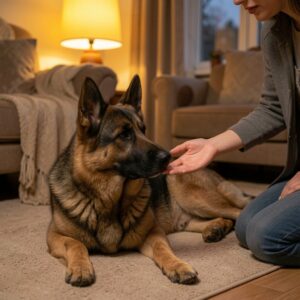
There are documented cases of dogs starting to behave strangely—sniffing a specific spot on their owner’s body over and over again—and this became a reason to seek medical attention. Sometimes, just in time.
Hypoglycemia, for example, produces a characteristic sweet acetone odor. Diabetic assistance dogs are trained to detect this odor and alert their owners before they even notice a deterioration.
I’m not saying every dog is a family doctor. But the fact that they notice changes in us before we do has long been beyond my doubt.
3. Your unique “scent signature”
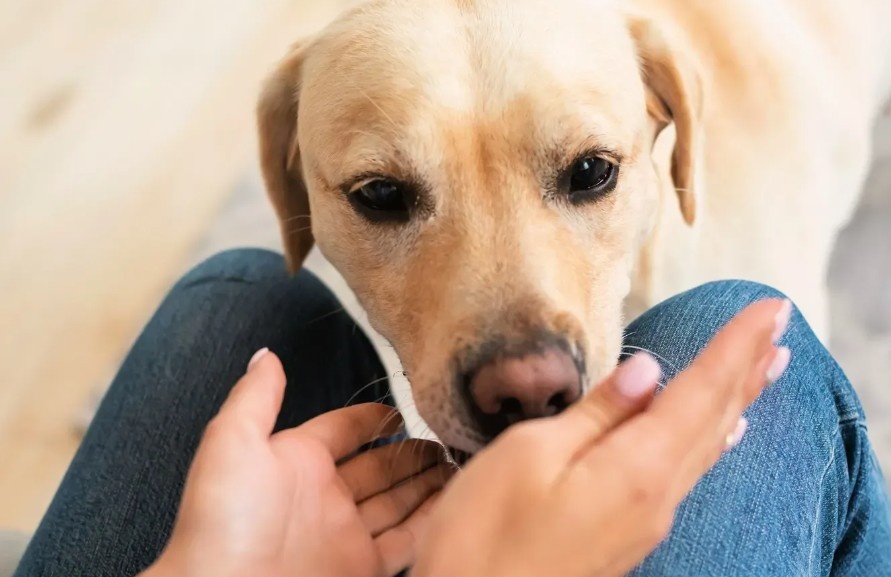
Every person smells unique. It depends on the composition of their skin’s microflora, diet, hormonal levels, lifestyle, and hundreds of other factors.
For a dog, your scent is like a fingerprint: unique, consistent, recognizable.
This is why a dog recognizes you even after a long separation. And this is why forensic dogs work with “scent imprints”—samples of a specific person’s scent that can be stored and used months later.
A curious detail: dogs can distinguish the scents of identical twins—people with virtually identical DNA. Even where DNA analysis fails, the nose copes.
4. Traces and direction of movement
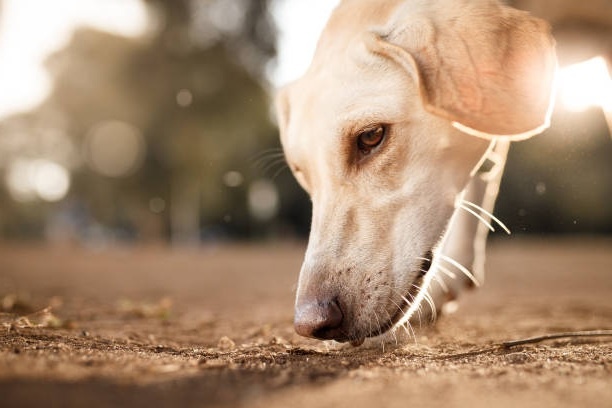
Do you think a tracking dog simply “smells”? It’s actually more complex. It analyzes not only the scent itself, but also its “freshness” at different points—and uses the differences in intensity to determine the direction of travel.
Imagine: a person passes by. They leave a trail. The closest print is slightly newer. The one further away is slightly older. The dog detects this difference and literally “reads the arrow”—in that direction.
In my observations, even ordinary domestic dogs, who have never been trained to track, easily trace their owner’s path through a yard or park. This isn’t a trick—it’s a basic ability, instilled in them by nature.
5. Time elapsed since the event
The smell doesn’t last forever—it evaporates. And the speed of this process depends on the weather, the surface, and the air humidity. A dog can “read” the degree of evaporation and draw conclusions about how long ago someone was there.
An hour ago or five hours ago—for an experienced search dog, these are fundamentally different scent patterns. That’s why search and rescue operations begin as early as possible: every hour means lost information.
This, in my opinion, is one of the most poetic abilities – to sense time through smell. We look at our watches. She sniffs the air.
6. Gender and reproductive status
Here, everything is honest and straightforward. Dogs are excellent at distinguishing males and females by scent—and instantly determine whether a female is in heat.
Pheromones are responsible for this – chemical signals that are perceived not only by the main olfactory receptors, but also by a special organ – the vomeronasal organ, or Jacobson’s organ.
This organ is a separate “communication channel” for pheromones. In humans, it is rudimentary and barely functional. In dogs, it is fully functional.
That’s why male dogs sometimes lose their heads and become completely uncontrollable at certain times. It’s not bad upbringing or poor training. It’s simply physiology, which speaks louder than any command.
7. What did you eat?
Yes, yes. Your dog knows what was for lunch. And maybe for breakfast, too.
Food changes the smell of your skin, breath, and sweat. Garlic, alcohol, meat, and hot spices—all of these things not only settle in your stomach but also literally “escape” through your pores. It’s imperceptible to us. It’s obvious to a dog.
This, by the way, explains why some dogs sniff you so persistently after certain foods. They’re not judging your eating habits. They’re simply studying a new version of your scent.
8. Intentions and level of aggression
This is the point that personally amazes me most. The dog senses aggression before it manifests itself outwardly.
When a person is tense, preparing for aggression, or experiencing severe stress, adrenaline is released into the bloodstream. This hormone changes the scent. Literally. And the dog picks up on it—before you can clench your fists or raise your voice.
That’s why dogs sometimes become wary of a seemingly calm person—and the owner stands there and thinks, “What’s wrong? He’s smiling.” But the dog already knows something’s wrong. You can’t fool the nose.
It works the other way too: a calm, confident person smells different than an anxious one. And an experienced dog can sense this.
9. Pregnancy
One of the most touching points. Hormonal changes during pregnancy are extensive, profound, and long-lasting. And they noticeably alter a woman’s body odor.
Many owners report how their dogs “understood” their pregnancy even before it was confirmed by a pregnancy test. They became gentler, more attentive, and stayed close. They would lie down next to their belly. They stopped jumping and kicking.
They may not understand “what’s happening” in our sense, but they certainly sense that something has changed. Someone new has entered the olfactory world. And they react—often with surprising tenderness.
10. Other animals – and their condition
Walking a dog isn’t just physical activity. It’s like reading a newspaper. Every post, bush, and fence corner is a fresh local news item.
Who was here? Cat or dog? Male or female? Healthy or sick? Frightened or calm? All this can be read from the scent trail – accurately and quickly.
A wild animal smells different from a domestic one. A sick animal smells different from a healthy one. A frightened animal releases stress pheromones, which other animals detect instantly.
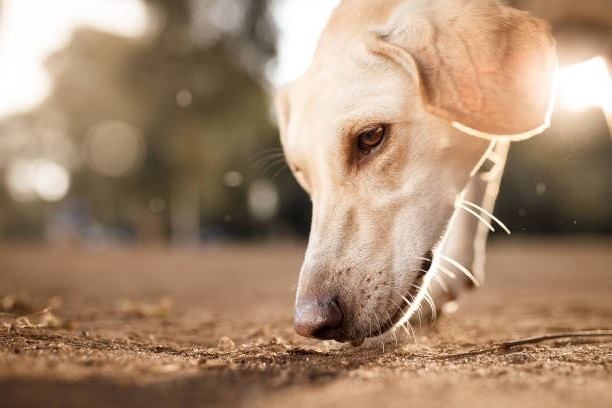
That’s why dogs sometimes stop in one place and sniff it for minutes—much to their owners’ annoyance. It’s not stubbornness. It’s just an interesting article. Let me finish reading.
Why is this even possible?
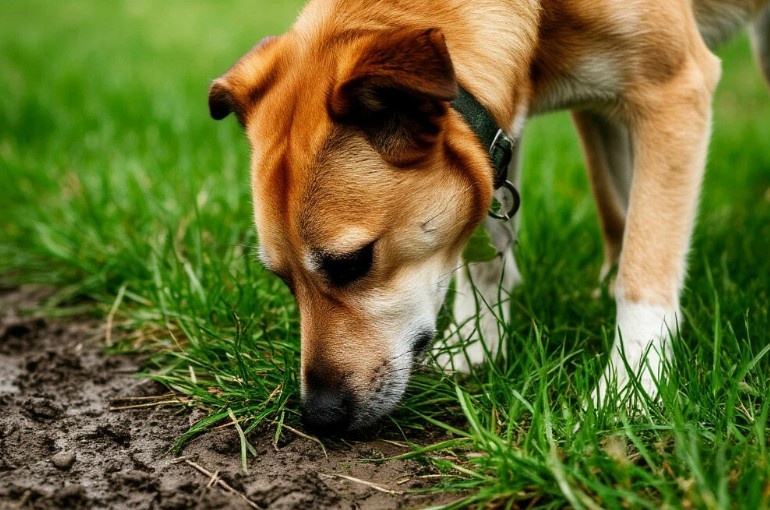
In short: because a dog’s nose is its most important organ. Not its eyes, not its ears—it’s its nose. It has up to 300 million receptors, compared to our six. The part of the brain responsible for processing odors is proportionally several times larger in dogs than in humans. Plus, there’s the vomeronasal organ for pheromones.
We live in a world we perceive with our eyes. A dog lives in a world it smells. It’s literally another reality—rich, multilayered, saturated with information we simply can’t perceive.
And here’s the important thing: every dog is an individual. One will react to your stress with active restlessness, while another will simply lie quietly next to you. This depends on the individual animal’s temperament, upbringing, experience, and personal history—not just the breed or any general rules.
Instead of an afterword
I look at dogs and think: how wonderful it is that there are creatures living next to us who perceive us so fully.
Without words, without explanations, without social masks. For them, you are your scent. Honest. Alive. Real.
They don’t judge. They just know.
Maybe your dog once “understood” something before you—an illness, a mood, someone else’s intentions? Or behaved strangely before an event?
Tell us—it’s very interesting to compare observations. Every dog story is a small discovery.