Dogs Playing with Food: When It’s Harmless and When You Need a Vet

When a dog plays with its food, the owner’s first reaction is “being naughty” or “being naughty.” In reality, this behavior is often rooted in normal biology rather than the pet’s personality. But sometimes it’s a signal that can’t be ignored.
This is not harmfulness – this is behavior
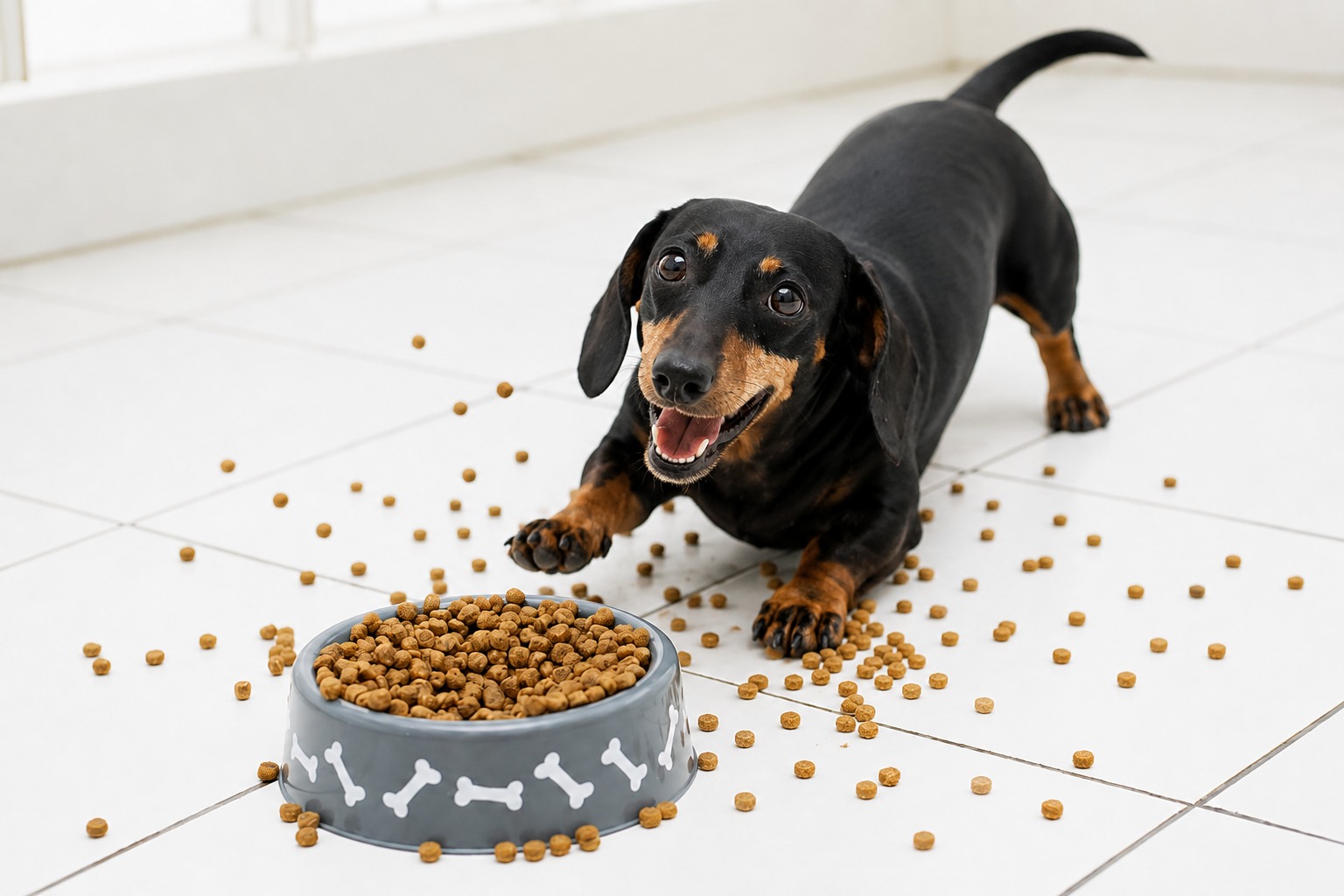
For a dog, food is more than just a source of calories. It’s an object with a smell, shape, texture, and taste. The animal can sniff it, roll it, toss it, nudge it, carry it away, or hide it. Thus, the dog explores the food in whatever ways it can.
Puppies are especially eager to play with food because exploratory behavior, chewing, and exploring the world through their mouths are a normal part of their development. The MSD/Merck Veterinary Manual clearly states that puppies benefit from food toys and puzzle feeders as a way to channel chewing and activity in a safe direction.
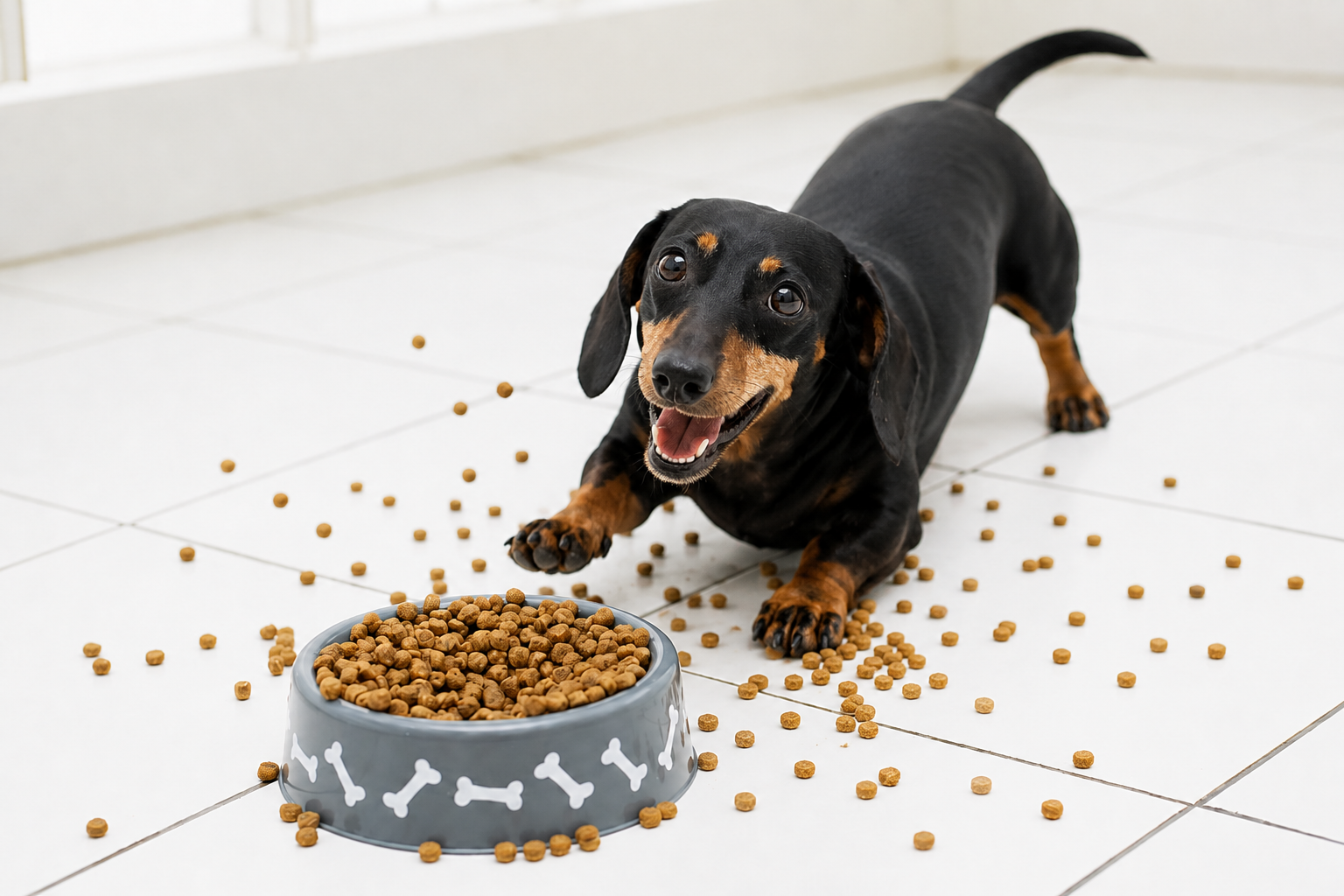
6 Reasons Why Dogs Play With Their Food
1. Exploratory and playful behavior. The puppy rolls kibble, moves the bowl with its paw, and pulls food onto the floor—this is how it explores the food: its smell, shape, and texture. For the puppy, this may be part of play, not a refusal to eat. If the puppy is eating normally, is active, gaining weight, and is not vomiting, diarrhea, or showing signs of pain, this behavior is usually considered normal.
2. Boredom and lack of mental stimulation. When a dog lacks activities, food becomes the only available “object for activity.” This is why, in veterinary behavioral practice, food toys and search games are used as environmental enrichment tools—the Merck Veterinary Manual describes them in the context of treating anxiety and obsessive behavior.
3. With free access to dry food, some dogs lose motivation to eat: the food is constantly in the bowl and no longer perceived as a valuable resource. This is more common if the food is available all day, the dog is frequently given treats, or portion control is largely uncontrolled.
4. Kibble size and texture. Sometimes a dog plays with its food not out of whim, but because the kibble is too large, hard, or unfamiliar. While teething, puppies may roll and chew their kibble, but they may not eat it right away: the pressure on their gums can be sensitive during this period.
5. Feeding and resource behavior. A dog may take food to another location, hide treats, steal pieces from a bowl, or “hunt” for individual kibble. This isn’t hunting in the strict sense, but rather normal elements of handling a food resource: searching, carrying, holding, and hiding. If the dog is calm, eats normally, and doesn’t defend the food by growling, this behavior is usually not considered abnormal.
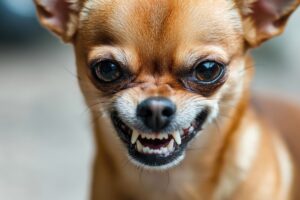
6. Anxiety and competition. If a dog is disturbed near its food bowl by children, other animals, or adults, it may grab the food and carry it to a quieter place. The ASPCA (American Society for the Prevention of Cruelty to Animals) notes that food guarding can vary in severity. Some dogs simply move the food or treat away, while others tense up over the bowl, growl, bare their teeth, snap, or even bite if approached.
When play is a variant of the norm
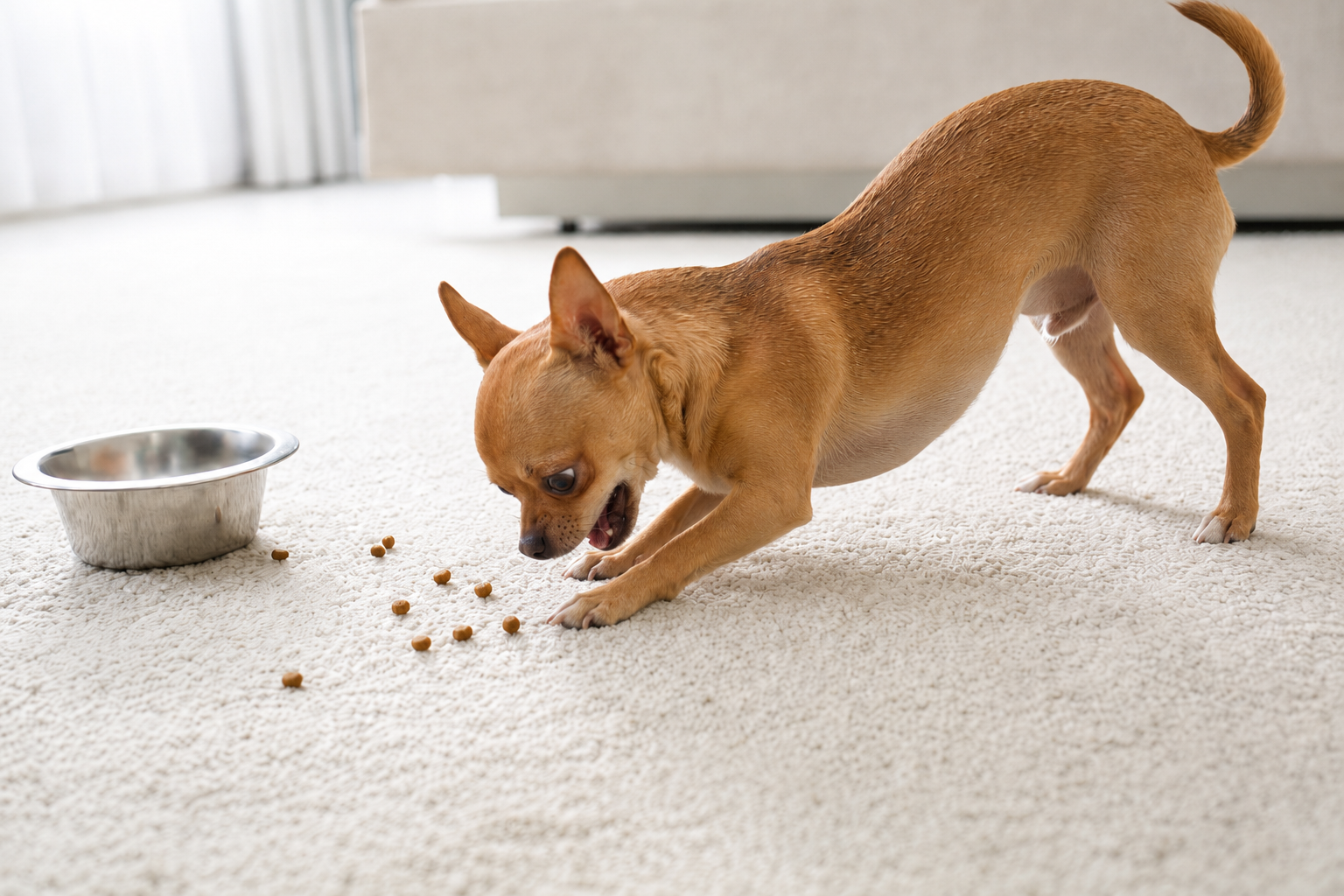
Behavior is normal if the dog:
-
eats his daily norm;
-
maintains a stable weight and does not lose appetite;
-
does not choke on food or eat inedible objects;
-
does not show aggression near the bowl;
-
no vomiting, diarrhea, salivation or bad breath.
The AAHA (American Animal Hospital Association) emphasizes that at each life stage, behavior, nutrition, and dental health must be assessed holistically, taking into account the individual characteristics of the animal.
When to see a doctor
A sudden change is a warning sign. If a dog was previously eating calmly but now suddenly starts scattering food, taking it away, or refusing to eat, this is a reason for an examination, not for experimenting with the bowl.
Symptoms that require a veterinarian consultation include: food falling out of the mouth, attempts to eat only soft food, drooling, weight loss, vomiting, diarrhea, bad breath, difficulty chewing.
Possible causes include toothache, oral diseases, nausea, gastrointestinal discomfort, parasitic infestations, endocrine disorders, and nutritional deficiencies. If a dog eats inedible objects—fabric, plastic, or stones—it’s no longer playtime, but pica. VCA, an American veterinary clinic network, describes pica as a condition requiring separate diagnosis and treatment.
What to do if your dog plays with its food
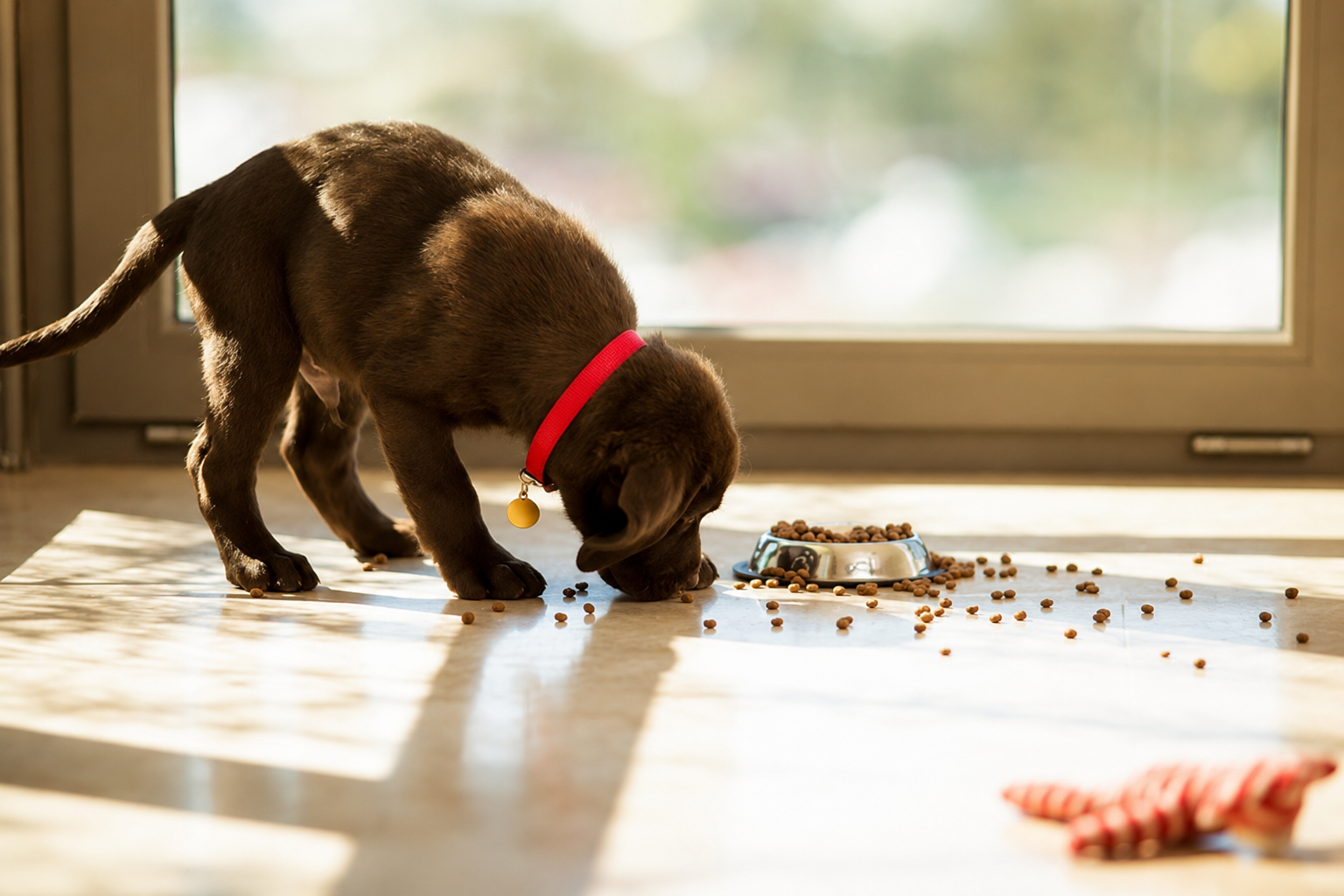
Don’t scold your pet for playing with food—punishment increases anxiety and can provoke resource guarding.
What helps correct behavior:
-
Portion feeding mode – the bowl is removed after 15-20 minutes, regardless of whether the pet has eaten or not.
-
Treat Control. The WSAVA states that treats are a supplement to the diet, not a replacement; too many treats can reduce interest in the main food.
-
Dispensing toys and sniffing mats. Part of the daily dry food allowance can be dispensed through these. The dog doesn’t get the food directly from the bowl, but rather searches for it, moving the toy with its nose or paw, and gradually extracting the kibble. This turns playing with food into a controlled activity.
-
Selecting food based on the size of the kibble – for a puppy or dog with sensitive teeth, large hard food may simply be inconvenient.
-
A quiet place for feeding – no children or other animals.
If a puppy plays with its food, eats well, gains weight, and appears healthy, everything is likely fine and a strict feeding schedule is sufficient. If an adult dog suddenly changes its eating behavior, start with a visit to the veterinarian to rule out pain or illness before looking for behavioral causes.