

How Pets Remember Their Owners Years Later

Dog age and the strength of the emotional bond with a person
When the puppy hasn’t yet had time to become attached
If a puppy was taken too early, its canine memory is almost completely undeveloped. It simply hasn’t had time to form a stable image of its owner. It’s like a vague memory of a random fellow traveler. The image is there, but it’s very blurry. This type of canine memory rarely retains a face for more than a few months. Until 3-4 months, a puppy lives in the “here and now.” Therefore, a long separation at this age leaves almost no trace.
An adult dog remembers much longer
An adult dog with a shared past is a different matter. Several years of shared walks, games, and care. This canine memory functions like a reliable, indexed archive. Even after a year of separation, a dog recognizes its owner, especially if that owner was the most important person in the pet’s life. American dog trainers conducted an experiment: 14 dogs were separated from their owners for two years. Twelve of them immediately showed clear recognition. This proves the power of long-term memory.
Dogs’ memory relies on smell and voice.
Smell is the primary key to a dog’s memories. Voice is the second most powerful factor. Intonation, rhythm, familiar words—all of these activate a dog’s memory faster than appearance. Here’s a short checklist for recognition:
-
You call out to the dog from afar – he freezes.
-
Then he turns his head and sniffs the air.
-
Starts to slowly wag its tail.
-
After 10-30 seconds he runs up himself.
If everything matches, the dog’s memory worked perfectly.
How to help your dog remember you
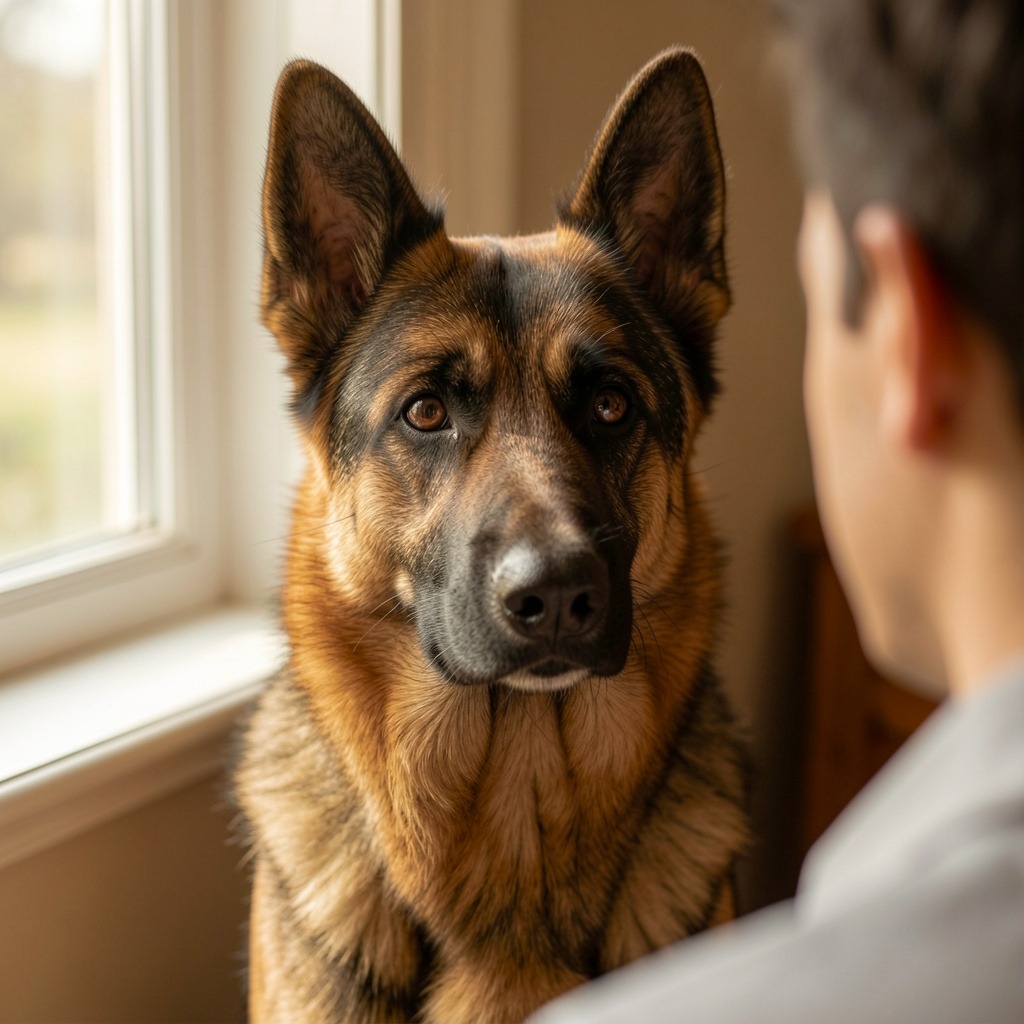
Don’t rush the dog with a hug. Crouch down and turn away. Extend your hand with the back of your hand. Let the animal choose to approach. This way, you don’t pressure it, but respect its personal space. Renowned animal psychologist Patricia McConnell writes, “Never interfere with a dog’s sniffing. It’s its way of reading your story.” By following this simple technique, you help your dog’s memory activate gently and without stress.
A dog’s memory in real history
A veterinarian I know told me a story. A dog lived with its owner for eight years. Then the owner was hospitalized for almost a year. When he returned, the dog didn’t respond at first. But the owner quietly said their “safe” word. The dog collapsed at his feet in recognition. That’s how canine memory works—through emotions and sounds. And then there’s the famous dog Hachiko. He waited for his owner for nine years after his death. This is the most powerful historical example of canine memory.
Bring an old item for the smell
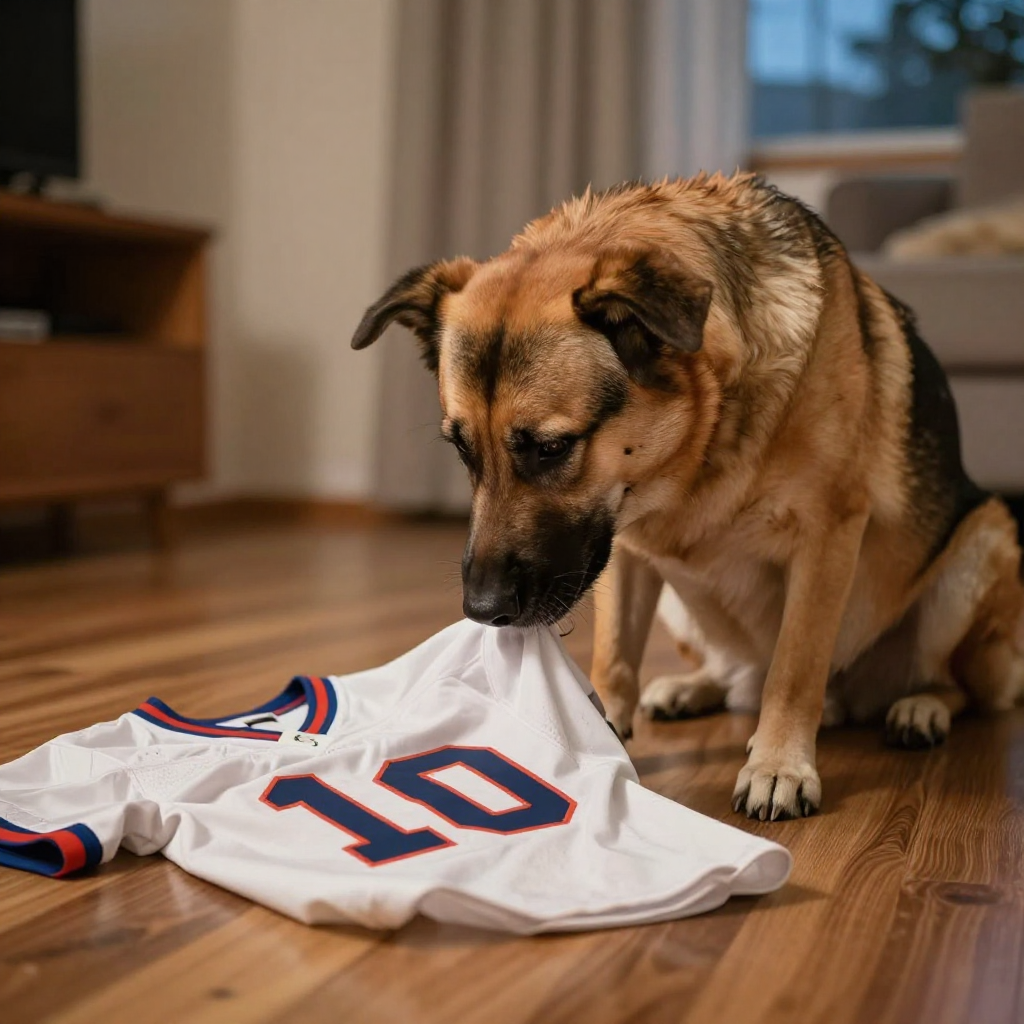
Bring a T-shirt or hat you’ve worn. Your body odor triggers a dog’s memory before you meet. Let your pet sniff it beforehand. This will reduce wariness and speed up recognition. Here’s a simple checklist before you meet:
-
Place the item in a bag two days before arrival.
-
When you meet, take it out and place it on the floor a meter away from the dog.
-
Don’t move for 30 seconds – let him sniff.
-
Then quietly call him by his name.
Each of these steps strengthens the dog’s memory.
When a dog’s memory fails
There are exceptions. Severe illness, dementia, or cruelty. In such cases, a dog’s memory may fail. The dog becomes “closed” at the nervous system level. This isn’t about you—it’s about the pain they’ve experienced. Veterinary neurologist Dr. Kevin Fitzgerald states, “Older dogs with cognitive dysfunction only remember the last 10 minutes.” So don’t blame yourself if recognition doesn’t happen.
Individuality is more important than age
No two dogs are alike. Some bond instantly and remember forever. Others need more time to form a bond. A dog’s memory depends on their temperament and living conditions. There’s no one-size-fits-all answer. For example, Border Collies can take years to remember commands. Some Huskies, however, can be more aloof. Research your pet’s personality—this will tell you what to expect.
Patience solves almost everything
Even if the dog doesn’t approach right away, wait. Recognition often comes in waves. First, a slight tension, then a wagging tail. Then a jump on your chest. A dog’s memory isn’t always instantaneous, but it is accurate. One woman from Texas waited 40 minutes. Her dog, lost two years ago, growled at first. Then suddenly licked her hand and cried. Patience pays off.
What’s the bottom line?
More often than not, a dog recognizes its owner after a long separation, especially if the bond was genuine. A dog’s memory holds more than just a scent or a face. It retains a sense of security and joy. This is what makes reunions so sincere. A quote from the book “A Dog’s Soul”: “They forget pain, but not those who loved them.” So don’t be afraid of long separations—true memories will always emerge.