



Pyometra in Dogs: Causes, Symptoms, and Treatment

Pyometra in dogs typically develops about a month after estrus. It presents as rapidly progressing inflammation, poisoning, and a cold, so owners often fail to seek veterinary attention promptly. The most common treatment and prevention method for this condition is spaying, but in some cases, conservative therapy is used.
What is pyometra in dogs?
Pyometra is an inflammatory process, accompanied by infection and pus filling the organ. As this condition progresses, the uterus enlarges, purulent discharge is absorbed into the bloodstream, and toxicity begins. If this process is not stopped promptly, the organ may rupture, and pus will begin to spread throughout the abdominal cavity. In this case, the dog’s condition can become life-threatening (1).
There are the following types of pyometra:
-
Open. This form of the disease is usually milder for the animal, and recovery is faster. With open pyometra, the cervix is not blocked, and pus drains through the loop.
-
Closed. In this case, the disease progresses acutely due to the inability to expel the pus. It often results in uterine rupture and peritonitis.
“Pyometra typically develops 1-2 months after estrus, although the timing can vary. Owners often mistake the first signs for poisoning or a cold. Key systemic manifestations to look out for include sudden lethargy and refusal to eat. The animal becomes apathetic, spends a lot of time lying down, and is unresponsive to familiar stimuli. Increased thirst (polydipsia) develops, leading to frequent and profuse urination. This is an important symptom: if your dog or cat starts drinking significantly more water for no apparent reason, or the litter box or diaper becomes wetter than usual, this is a reason to get checked, including for pyometra. It may be present. Temperature sometimes rises, but in some patients it remains normal or even low in severe sepsis. The general condition quickly deteriorates due to intoxication,” explains Sergey Larionov, veterinary surgeon, ophthalmologist at the Vet-Max clinic, and author of the blog “Vetrach Speaks….”
Causes of pyometra in dogs

This condition is caused by a combination of factors. Pyometra typically begins approximately a month after the end of the estrus cycle due to hormonal imbalances. The endometrium, the inner lining of the uterus, rapidly grows and forms large growths. Cysts may develop. This makes the mucous membrane more susceptible to bacterial infections. Pyometra is typically caused by E. coli, streptococcal bacteria, or staphylococcal bacteria. After ovulation, the uterine defenses are temporarily weakened, making the body more susceptible to bacterial infections (2).
Symptoms and signs of pyometra in dogs
This condition typically affects middle-aged and older animals. Pyometra is a common condition in these animals. Its main symptoms include:
-
intense thirst;
-
more frequent urination;
-
refusal to eat and weakness;
-
vomiting, sometimes diarrhea;
-
pallor of the mucous membranes;
-
increase in body temperature;
-
increased breathing rate.
In some cases, dogs experience bloody or purulent discharge from the vulva, although this symptom may be absent. In some animals, the abdomen becomes enlarged. This is usually seen in thin dogs.
“With open pyometra, the cervix is slightly open, and pus is released. The most noticeable symptom is vaginal discharge. It can be purulent or bloody-purulent, often with an unpleasant odor. The dog grooms itself more often than usual, trying to remove this discharge. Stains may remain on bedding, the floor, or furniture. Owners sometimes mistakenly assume this is a prolonged heat cycle or a mild inflammation, but such discharge is not typical of a normal heat cycle.
In the closed form, the cervix is tightly closed, and pus accumulates inside, unable to escape. There is no discharge at all. This is why closed pyometra is particularly dangerous—the owner sees no external signs of genital tract involvement. The main symptoms are rapidly increasing lethargy, refusal to eat, thirst, and abdominal distension. The abdomen enlarges symmetrically, becomes tight, and is tender to the touch, but without vomiting or diarrhea, this can be confused with obesity or pregnancy. Toxicity increases very quickly, and without emergency surgery, the uterus can rupture at any time.
Pyometra is very common in dogs, especially in nulliparous females over 5-6 years old, although it can also occur in young dogs. Owners typically notice thirst and discharge 4-8 weeks after estrus. The dog may be lethargic, refuse walks, and have difficulty breathing. In the closed form, the abdomen becomes noticeably rounded, and the dog whines or groans when attempting to lie down or stand up,” the expert shares.
Diagnosis and treatment of pyometra in dogs
This disease is diagnosed as follows:
-
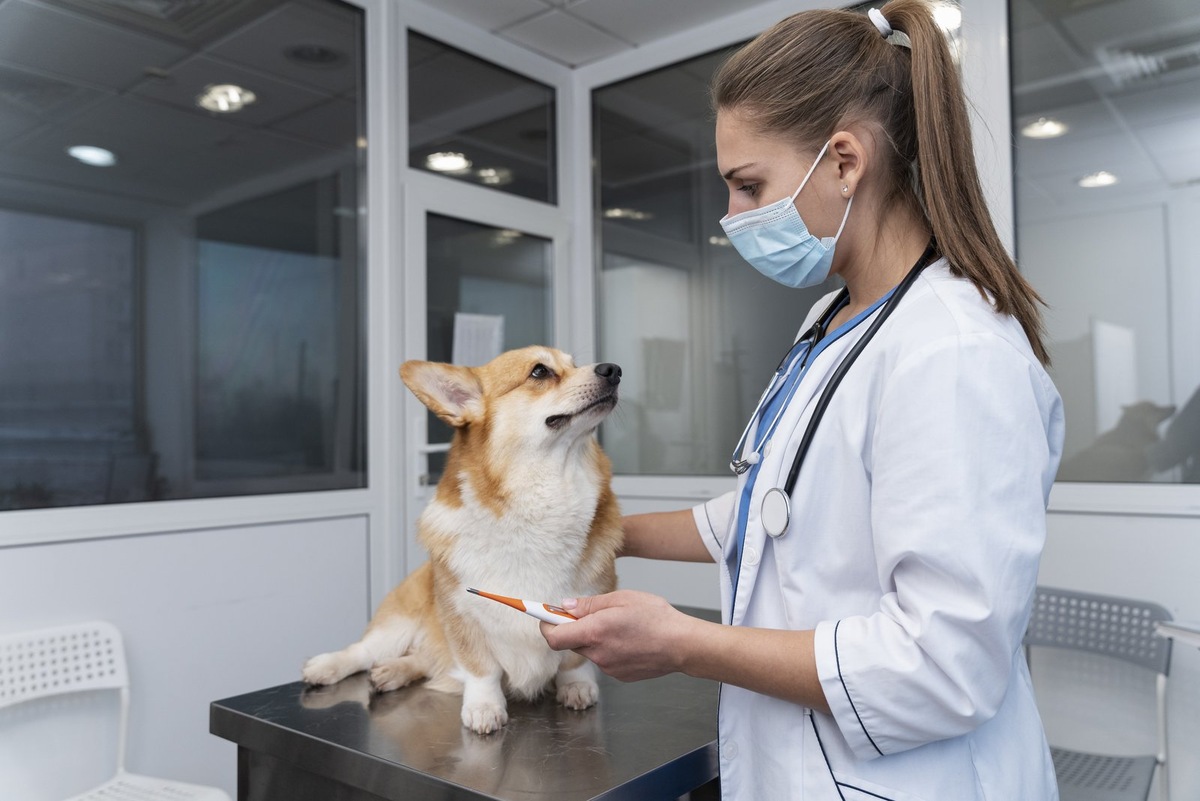
Examination. The veterinarian performs a full examination of the dog, collects a medical history, and asks the owner about the animal’s living conditions, behavior, and any changes in its health. The veterinarian will also ask whether the pet is spayed, when the dog was in heat, and whether the animal has given birth.
-
Blood tests reveal elevated levels of white blood cells and neutrophils. Anemia is one of the signs of blood accumulation in the uterus.
-
Uterine ultrasound. This examination allows us to visualize the condition of the organ, assess its size, and determine the presence of inflammation.
-
Uterine X-ray. If an ultrasound is not available, the doctor may perform an emergency X-ray to assess the size and condition of this organ.
This disease is treated exclusively surgically. The treatment consists of the complete removal of the uterus after preliminary symptomatic therapy to stabilize the animal’s condition. Broad-spectrum antibiotics are typically used as pre-treatment. During surgery, the abdominal cavity is often lavaged of pus, and the animal’s recovery is monitored afterward.
In exceptional cases of open pyometra, conservative treatment may be used. This is only possible for animals in stable condition and consists of hormonal and antibacterial medications.
Caring for a dog after hysterectomy for pyometra
After a hysterectomy, the dog should wear a protective blanket to prevent the pet from licking the incisions. In some cases, the veterinarian may cover the incision site with a bandage. The veterinarian will prescribe suture treatment.
After a hysterectomy, you should monitor your pet’s condition and follow your veterinarian’s recommendations. The doctor will typically prescribe anti-inflammatory and pain-relieving medications, as well as antibiotics. You can feed your dog its usual food.
Prevention of pyometra in dogs
The only way to prevent this disease is to spay your dog. Performing this procedure at an early age not only prevents pyometra but also reduces the risk of mammary cancer. If spaying is not possible, regular ultrasounds of the uterus should be performed to monitor the condition of the organ.
Pyometra in dogs is a serious condition that typically develops in older animals. It progresses quickly and, without prompt treatment, can be fatal. To prevent this, it’s important to have your dog spayed and neutered promptly.