8 subtle signs your dog is stressed

They say a dog is a reflection of its owner. And this isn’t just a beautiful metaphor; it’s a scientifically proven fact. Swedish biologists from Linköping University conducted a large-scale study and discovered that dogs’ long-term stress levels are completely synchronized with their owners’. The scientists measured the concentration of the stress hormone cortisol in both people’s hair and their pets’ fur. It turns out that if an owner lives under stress for months, their dog also turns into a bundle of nerves! Details of the discovery are published in the scientific journal Scientific Reports.
Of course, dogs don’t cry over sentimental melodramas or complain to doctors about their difficult puppyhoods. But that doesn’t mean their nervous systems are made of steel and infallible. Overstrain can affect any furry friend. There are countless reasons.
The breath of a hunted beast
A dog may reveal its “disorganized state” by increasing its breathing rate. This is when the pet starts panting as if it were equatorial summer outside. For example, that noisy person who makes the dog feel vulnerable or overly tense has dropped by for a visit.
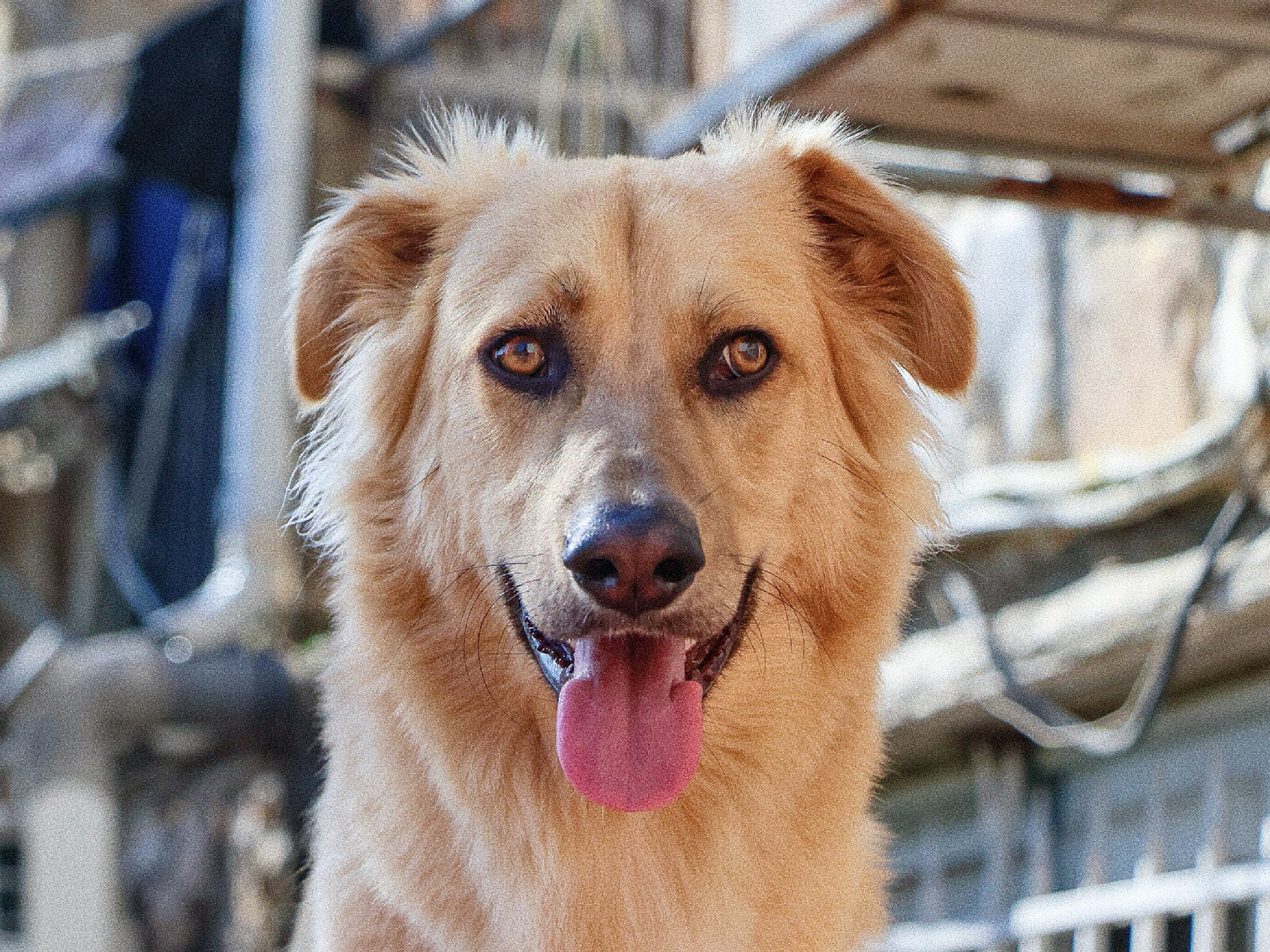
Adrenaline surges, heart pounds. Then she begins to breathe convulsively, her chest visibly rising and the corners of her mouth drawn back. This despite the air conditioning and the invigorating freshness of the room. It’s as if the dog is trying to ventilate a brain overheated by stress.
When I remember, I shudder.
When a dog senses the impact of negative factors and moves away, it immediately shakes its entire body. As if it just crawled out of water. For example, when some careless enemy accidentally steps on its paw or sprays orange peel near its nose. This is a healthy instinct.
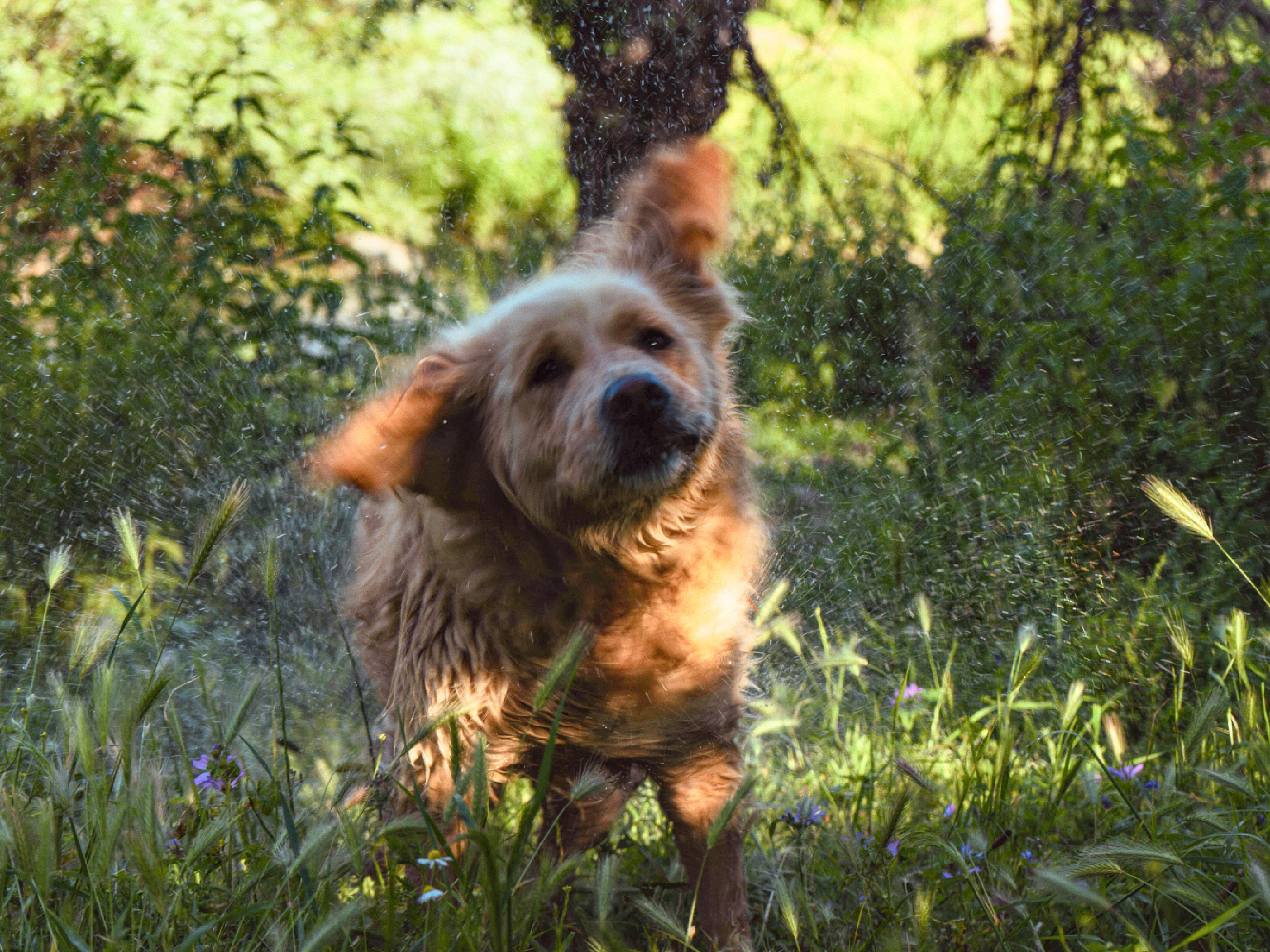
But if twitching of the entire body and head has become regular, it could mean the dog is stuck in anxiety and desperately trying to shake off obsessive thoughts about the experience. Like the joke goes, “When I think about it, I just want to hit him in the forehead with a spoon!” Another common cause of the problem is fatigue after harsh training.
A yawn is not a dream, but a prayer
In the human world, a yawn means it’s time for bed or that the other person is being unbearably boring. But in the rich language of canine body language, yawning plays a role as an important “peace signal.” If your dog is yawning wildly, but his eyes are tense and his ears are pinned back, he’s not sleepy; he’s stressed!
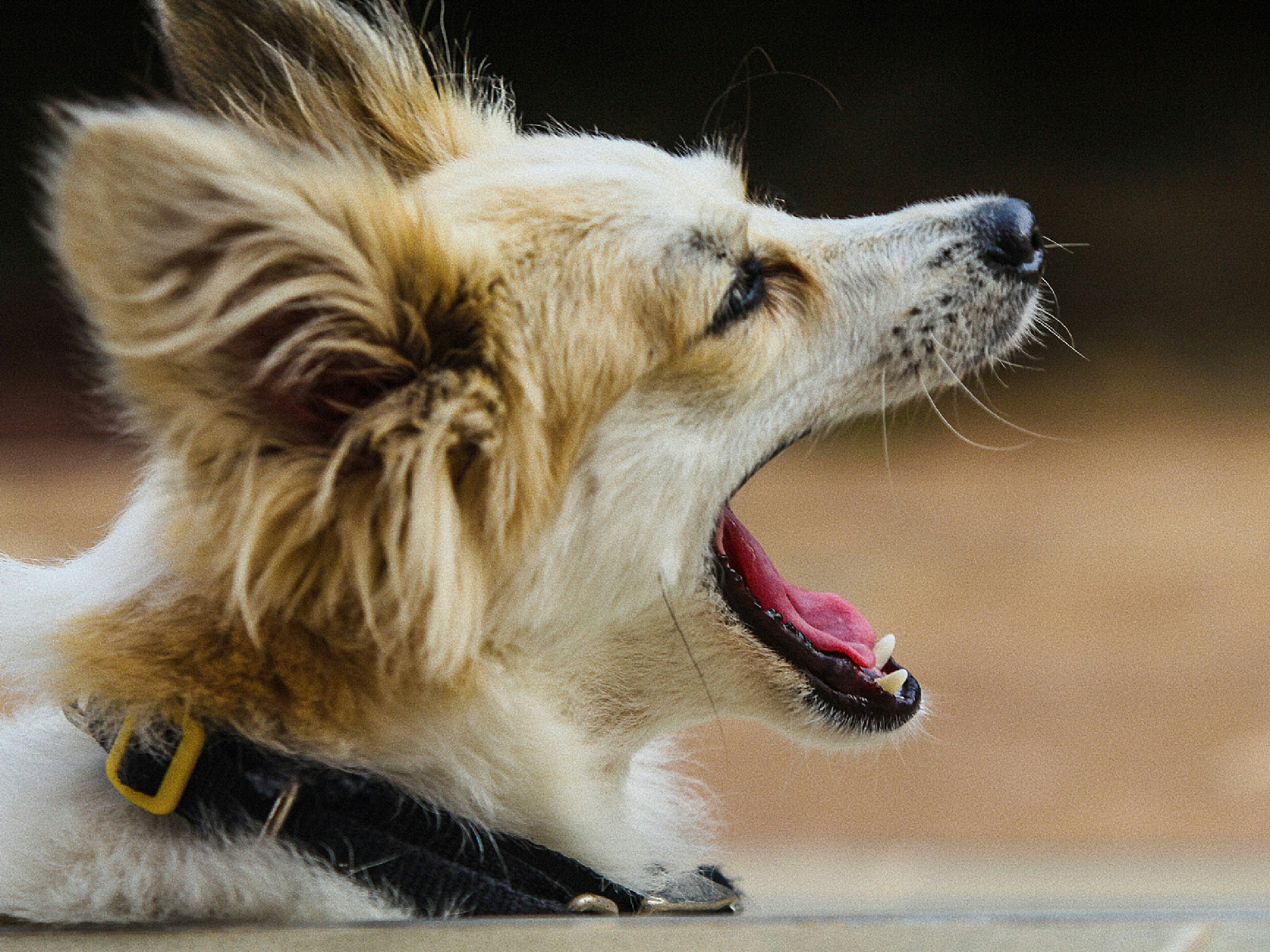
In the wild, canines use a deliberate yawn to lower their own heart rate and signal to their opponent, “I’m not a threat, let’s part peacefully.” When an owner scolds a dog for chewing a slipper, the dog yawns sweetly in response! It’s a desperate attempt to defuse the owner’s anger.
Sweaty palms
Not all specialists are aware of this biological nuance. Dogs don’t sweat all over; their cooling system works through their mouths and… paw pads! If you’re at the veterinary clinic and your dog is scurrying across the linoleum, leaving distinct, wet footprints (even though it’s dry outside), their palms are literally sweating with fear. Just like a student who’s about to fail an exam.
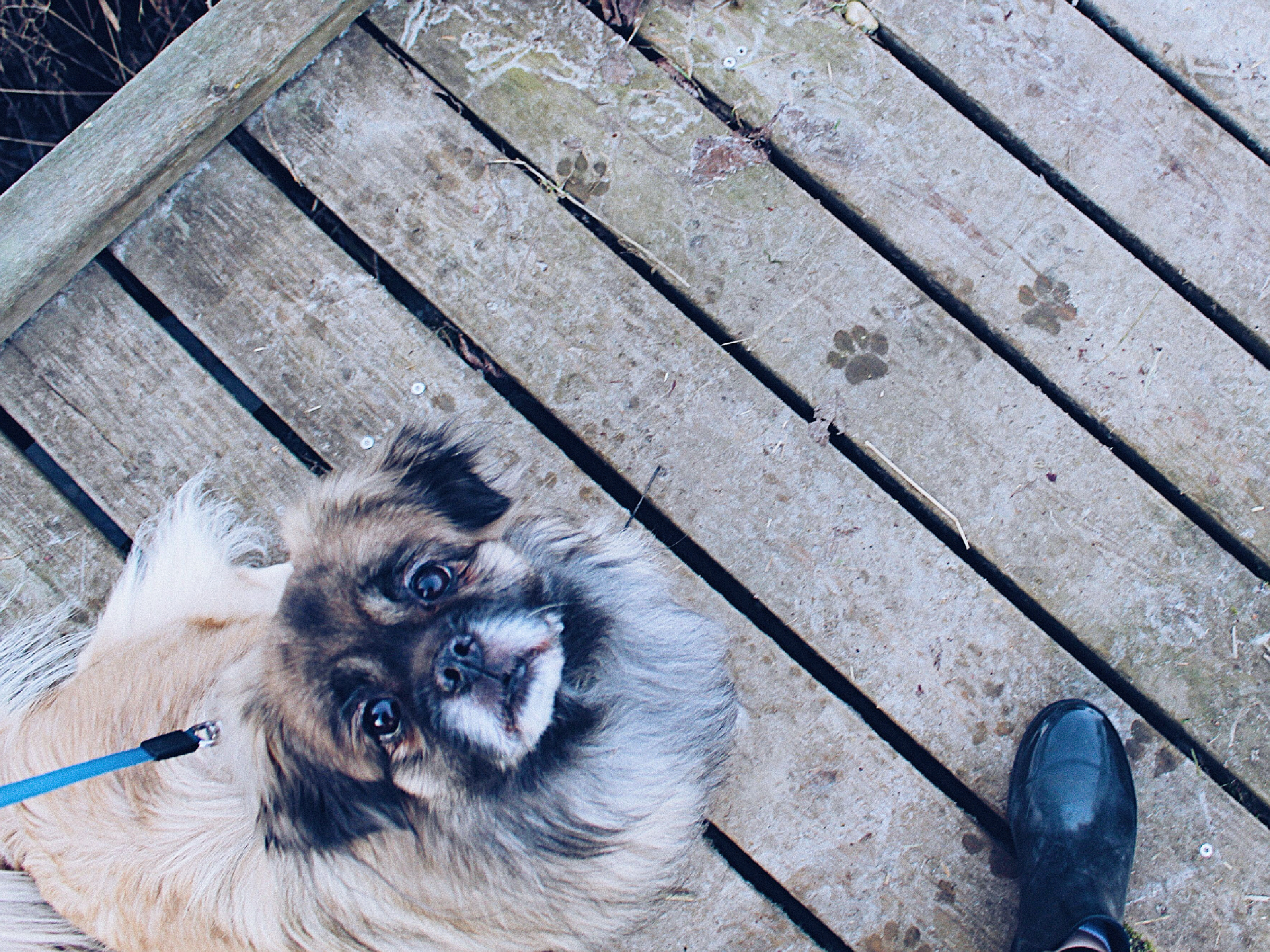
Sweat glands in the paws immediately respond to the release of stress hormones. Scientists confirm this: the activity of the merocrine glands in the paw pads is regulated by the sympathetic nervous system.
Disappear, but with hope
When a severe crisis overwhelms a two-legged animal, it instinctively tries to escape. The bedroom, a closed door, and a no-phone ban are all common options. A dog, being a master of observation, can mimic most of its owner’s habits. But in this particular case, the dog will try not just to disappear, but to engage the human in its problem.
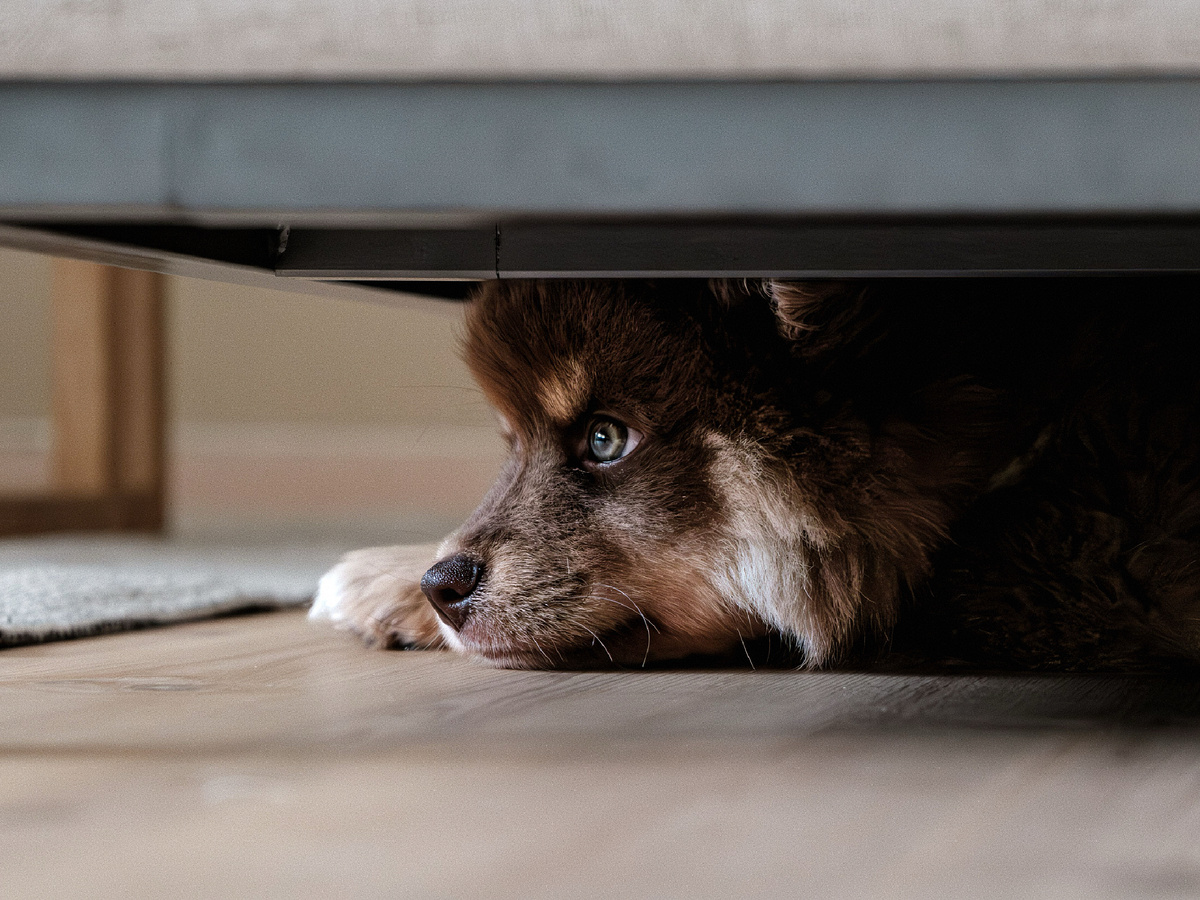
The pet will retreat into a dark kennel, hide under the bed, and flatly refuse to come out. And if the owner decides to call him affectionately, as if sensing some inexplicable sin, the dog will try to crawl out on its belly as carefully as possible, barely breathing.
Point of no return
What’s completely ordinary for an owner can trigger a primal fear in their pet. While a person regularly rides the commuter train to the countryside and isn’t at all afraid of the clatter of wheels, clanking doors, or whistle of the train, for a dog it all seems like one big nightmare—one that will haunt them in restless dreams for a long time to come.
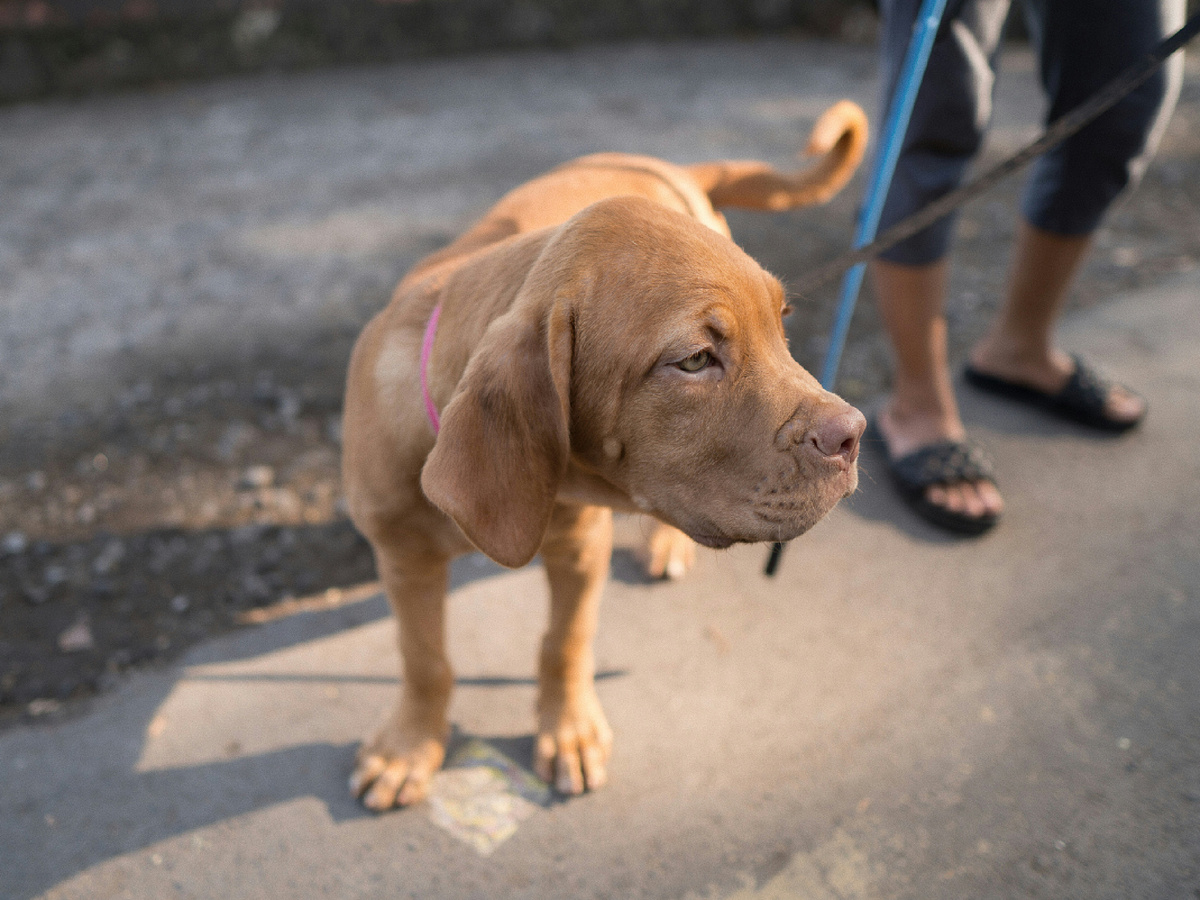
So, if in a specific situation a fearless wolfhound or a brave Spitz starts to show anxiety, refuses to move, goes into “donkey mode,” and digs its paws into the pavement, you can be sure it’s stress. Cortisol tells the brain: “Freeze, or else it will be bad!”
The ship sprang a leak
Even breeds with smooth jowls experience genuine hypersalivation when stressed. Simply put, it’s excessive salivation. On a spring walk, spotting a pretty “lady” is perfectly understandable for a male dog—hormones are taking their toll. But a ride on public transportation, complete with a bib, is a clear sign of emotional stress. Physiology is closely tied to the psyche. Severe anxiety often causes nausea.
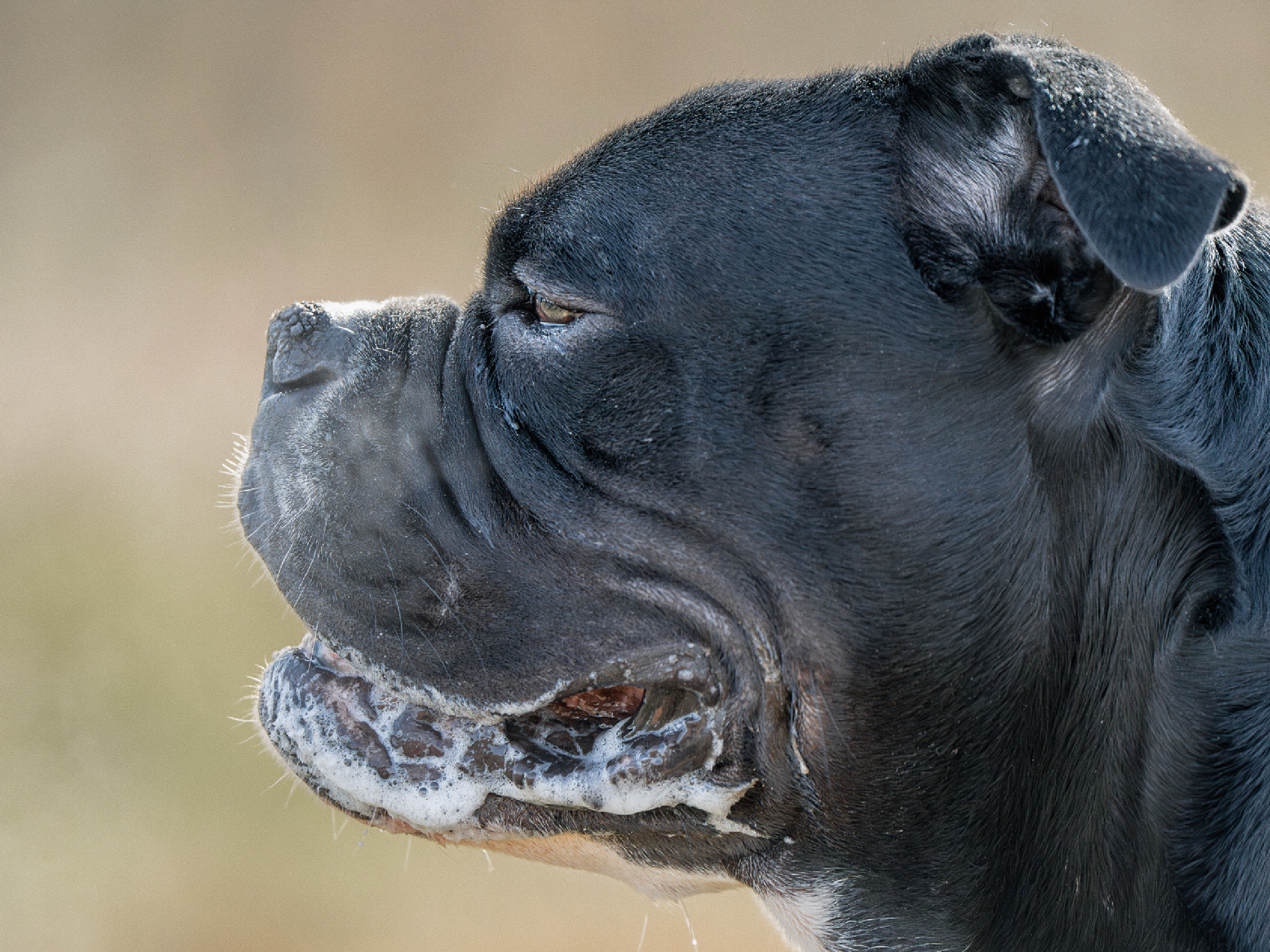
If an attentive owner notices this odd behavior, they should consult a veterinarian to determine the root cause. There’s no illness, no fever, and yet the drooling is flowing? It appears to be a sign of subtle but severe stress.
Shrimp mode
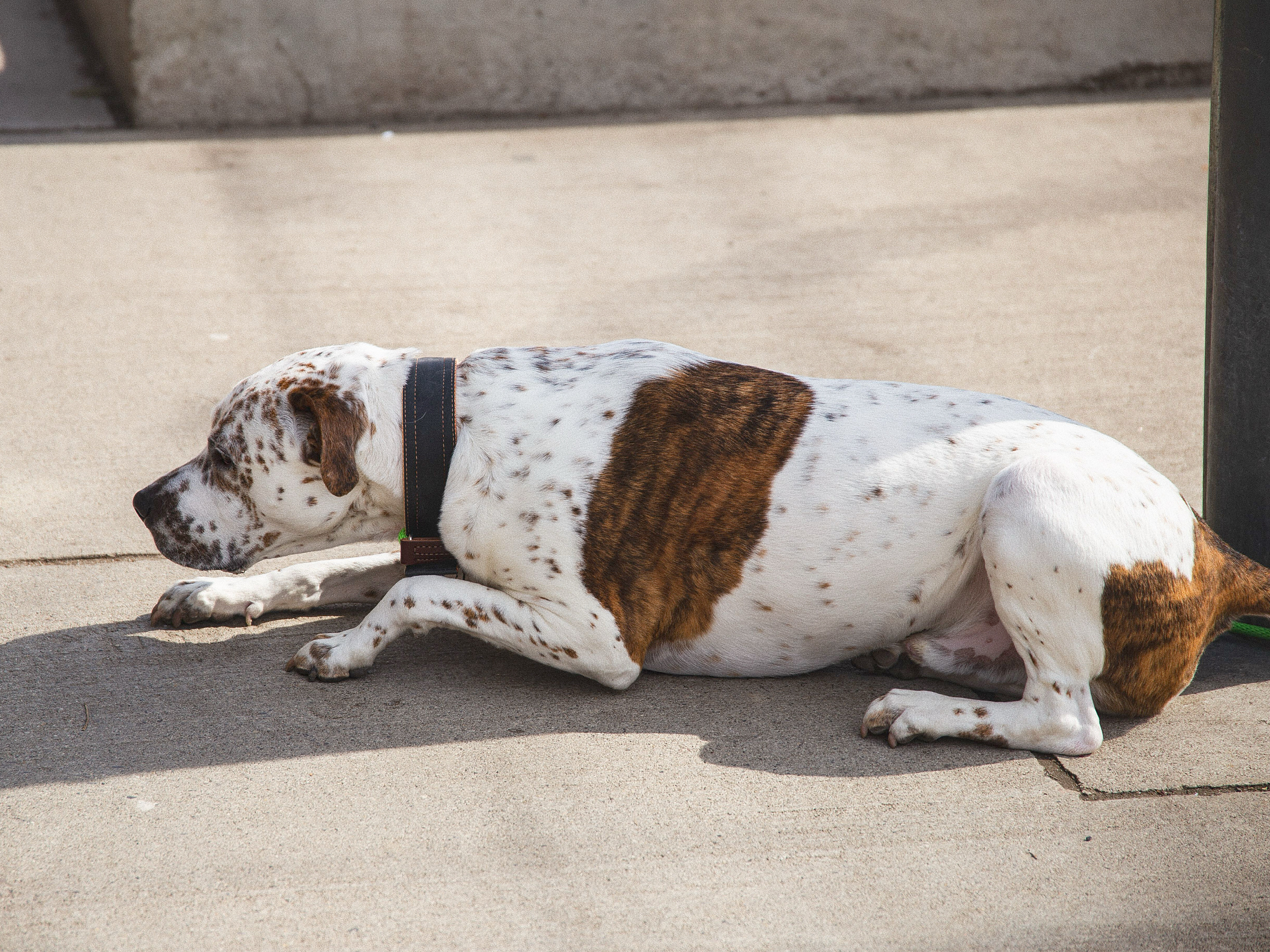
Just yesterday, the dog strode pompously beside its owner, tail raised. Its gait seemed firm and sweeping. But suddenly, something snapped. From now on, the pet hunches down, draws its head into its shoulders, and tries to appear as small as possible. And the former confidence in its gait has vanished like smoke from white apple trees. Barbos will change its route, or start stumbling, or express with its whole appearance a desire to hurry home.