



Words Your Dog Translated Differently Than You Do

Or why you accidentally torture your best friend every day
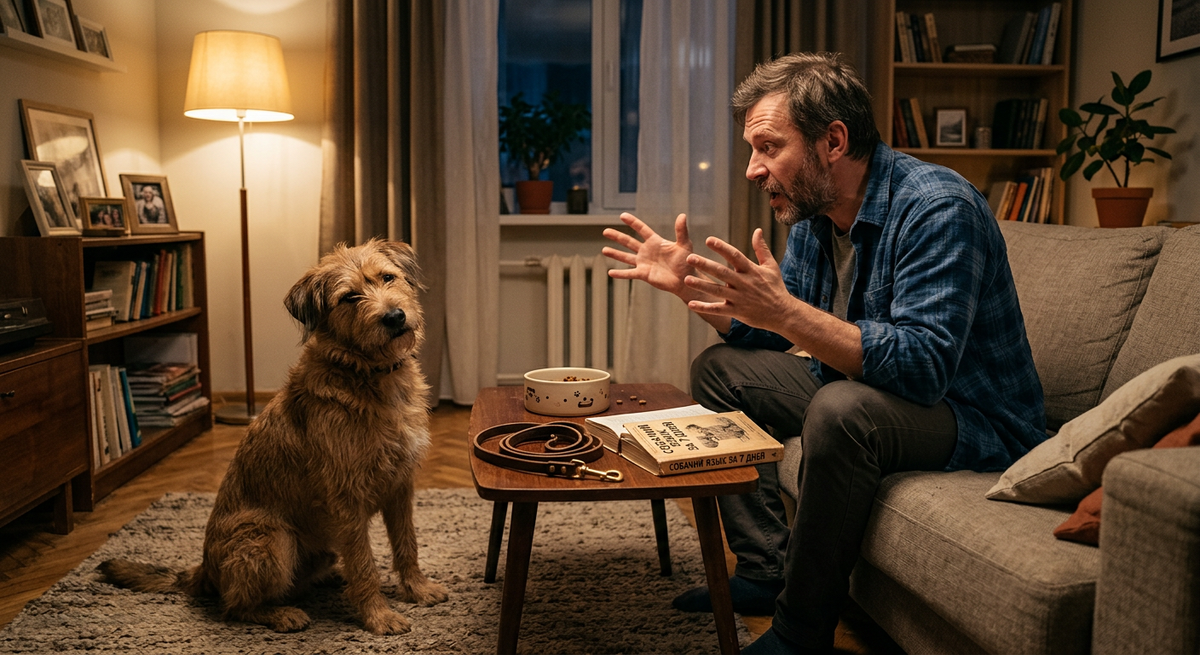
Your name is not a name for her, but a panic button.
You’re sure your dog is proud of his name, in vain. The secret to communication is that a dog’s name isn’t a personality. It’s a vocal marker. It means only one thing: “Drop everything and look at me.” It’s a button to turn on contact. And it’s a huge mistake to shout a name during punishment. In an angry voice. The dog remembers: after that sound, there’s pain and fear. Next time, it will pretend to be deaf. Simply to save its sanity. Remember the secret of communication: a name should be associated only with joy. Otherwise, you’ll raise a dog that’s afraid of its own name.
Checklist: How to Use a Dog’s Name Correctly
-
Pronounce the name only with a kind or neutral intonation.
-
Never use a name before a punishment or scolding.
-
Add the name before the “come” command and give a treat.
-
Play a game: call the dog by name, look at it, give it a treat.
-
Don’t repeat the name ten times in a row if the dog doesn’t respond.
The secret to communication requires consistency. Otherwise, you’re simply teaching her to ignore you.
“Walk” and “No”: A Chemical Storm Against an Empty Word
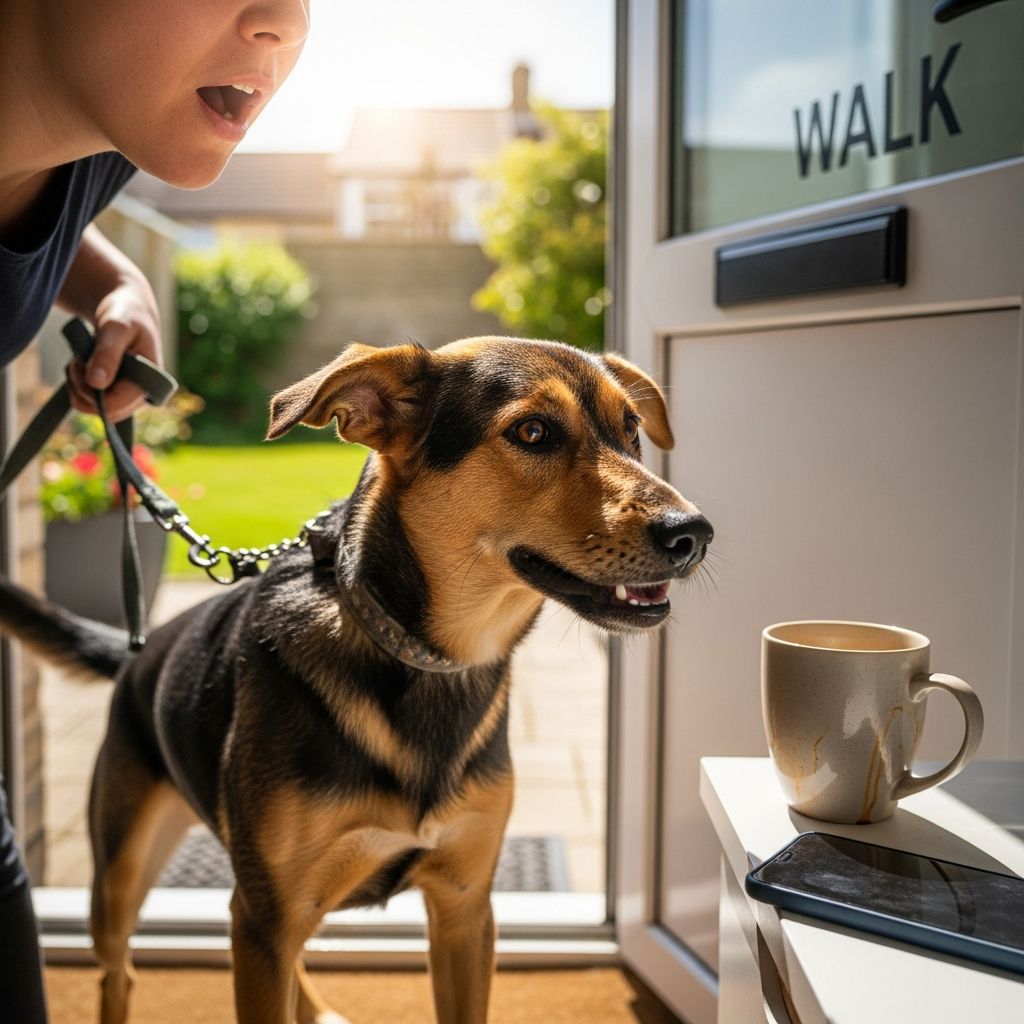
The mere word “walk” triggers a burst of dopamine in a dog. A walk isn’t like going to the bathroom. It’s reading the news, hunting, and patrolling. Once you say it, go immediately. Otherwise, you’re causing your nervous system to burn out from the stress. And the word “no” by itself means nothing. The secret to communication here is brutal: a dog knows no morals. Only your stern tone and posture will stop it. If you say “no” in a soft, guilty tone, the dog’s brain short-circuits. It hears a familiar set of sounds, but sees a weak human. And it ignores you. Be firm, but don’t yell.
Historical example: the dog who knew 1,000 words
Remember Chaser the Border Collie? She understood 1,022 nouns. But that doesn’t mean she knew grammar. The secret of communication between humans and dogs is based on associations, not syntax. Back in 1928, scientist John B. Watson proved that dogs associate sounds with events. If you say “good job” five seconds after an action, they’ll think you’re praising the ear scratch. Praise immediately. The second the dog sits or comes. Precision is more important than sincerity.
“Good job” and “eat”: how not to ruin the magic
“Good job” is the most important word of encouragement. A dog will move mountains for it. Because in the wild, the leader’s approval meant safety. But the secret to communication is timing: praise should come at the precise moment of the correct action. Not five seconds later. And the word “eat” is the magic of food. Saying it in front of the bowl reinforces your authority. But if you say “eat” to lure a dog into the paw bath, you destroy trust. Forever. Don’t lie. Food is sacred.
“Sit” and “Come to Me”: An Emergency Pause vs. a Leap of Faith
“Sit” isn’t a trick. It’s a brake on the nervous system. When a dog sits, its heart rate slows. It calms down. But the secret of communication is compromised when you repeat the command 10 times. “Sit, sit, sit!”—the dog learns not to respond the first time. You say it once. If she doesn’t hear it, you come and help her. But “come” is a leap of faith. The dog must drop the squirrel, ignore the enemy, and refuse the tasty bone. And come to you. If you call her to punish her or put her on a leash and take her away from the game, you’re breaking her psyche. The secret of communication is simple: the recall should always end with joy.
List: The Main Mistakes Owners Make
-
Use a name to swear.
-
Say “go for a walk” 40 minutes before leaving.
-
Saying “no” in a whiny voice.
-
Praise within a minute of the action.
-
To deceive with the word “eat”.
-
Repeat “sit” ten times.
-
Call “to me” to punish.
“Fu” and “Place”: Rejecting Treasure versus Sanctuary
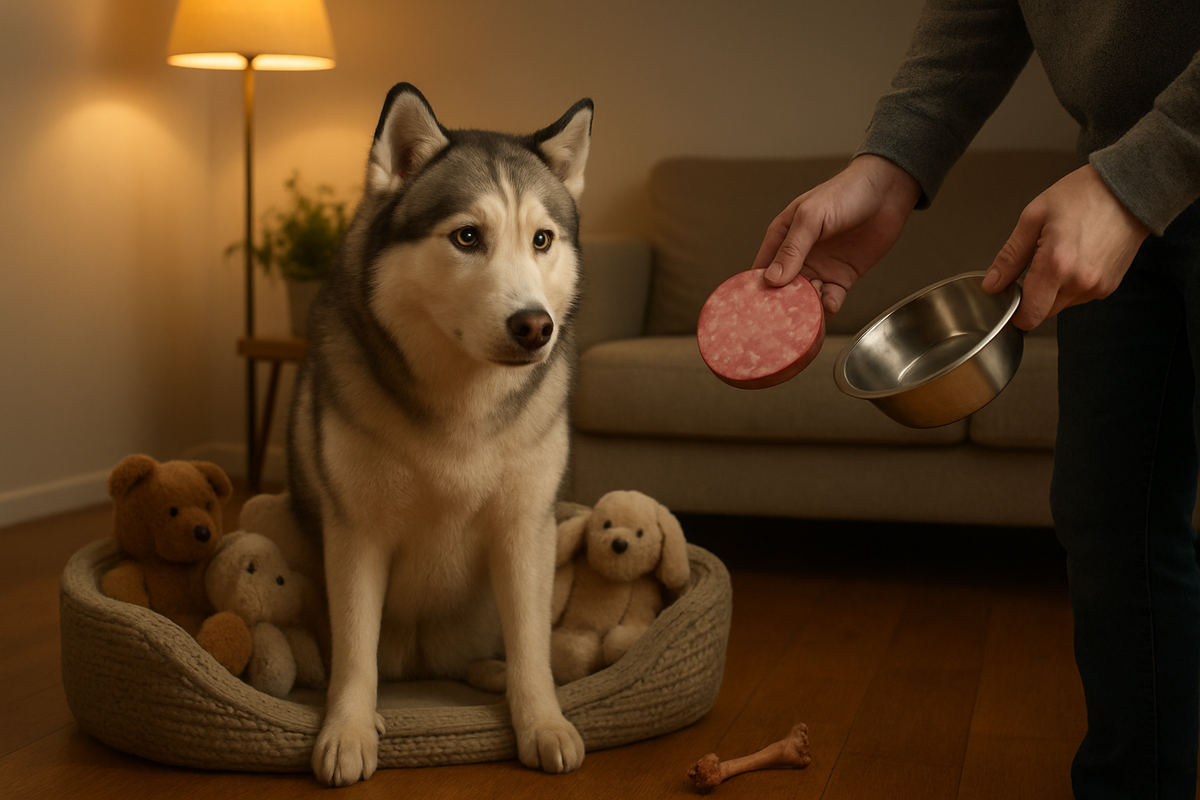
“No” asks the dog, to give up the rotten bone. This goes against all instincts. The secret to communication here is a beneficial exchange. You say “no,” the dog drops the rotten bone, and you give it a piece of sausage. Then it trusts you. If you force its jaws open, you’re a competitor for food. Next time, it’ll swallow the food in a second and choke. And the word “place” is a sanctuary. The dog’s bed should be a safe haven. Don’t send it there as a punishment. Don’t let children bother a sleeping dog. Otherwise, the dog will become neurotic, sleeping with one eye open.
“Wait” and “Who’s There”: Patience Without a Finale and False Alarm
“Wait” is one of the most difficult words. It teaches you to tolerate frustration. But a fatal mistake is forgetting to say the go-ahead signal. You say “wait,” go into another room, and stare at your phone. The dog sits, tense, waiting. And doesn’t wait. It will conclude that your rules are illogical. And it will stop waiting. And the word “who’s there” triggers the guard instinct. The secret to communication here is not to tease the dog for fun. If you constantly say “watch” into the void, the dog becomes neurotic. It will bark at every rustle. And one day, it will become afraid of its own shadow.
The final chord: are you a leader or chaos?
Your dog understands you better than you think. They read your intonations and remember sequences of events. The problem is us. We’re inconsistent. The secret to communication is awareness. Watch how you pronounce these 11 words. And you’ll see the magic. Your dog will become calmer. Trust will become monolithic. You’ll stop being a random person with a leash. You’ll become the most understandable, predictable, and beloved leader. And your dog will be the happiest dog in the world. Even if he chews your slippers sometimes.