8 Dog Breeds for Seniors

Having a dog in an older person’s home requires routine, companionship, and movement, without which life can quickly shrink to the TV and kitchen. But breed matters: one might require two hours of running around the park, while another will appreciate a leisurely stroll to the park and back. We’ll explore the eight breeds most often recommended by dog experts for people aged 60+.
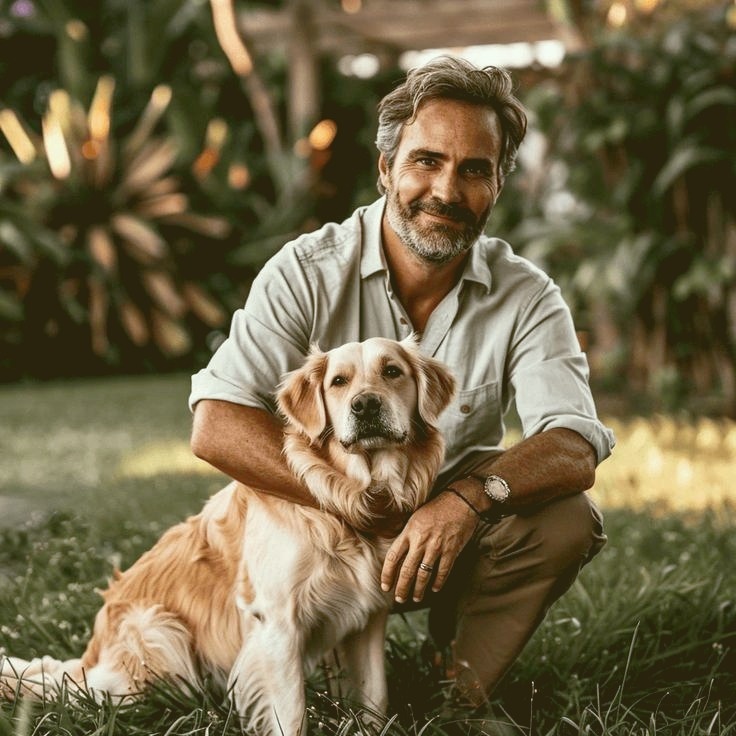
Cynologists have an unofficial term: “grandma’s dog.” It sounds a bit condescending, but the meaning is quite practical: breeds that live comfortably with their owners in retirement. They don’t demand runs, don’t pull on the leash, and don’t eat the couch overnight out of boredom. They simply live nearby—and in doing so, save years of their owners’ lives.
In the UK, The Cinnamon Trust, a charity that helps seniors keep their pets, operates a program. According to 2022 data, dog owners over 65 take an average of 24% more daily steps and experience a third less social isolation. The numbers are telling. The only question is which dog to choose.
Cynologist Anna Efremova, an expert with the Russian Cynological Federation, put it simply in the “Sobakin” podcast: “For an elderly owner, three things are important: the dog’s leash control, its size, and its temperament. Everything else is just details.”
Below are eight breeds that meet these criteria. They offer varying levels of comfort, but no surprises.
1. Cavalier King Charles Spaniel
The perfect “couch companion.” This English breed was bred for centuries as a toy—to sit on a person’s lap, walk alongside, and respond to voices. No working instincts, no hunting pressure.
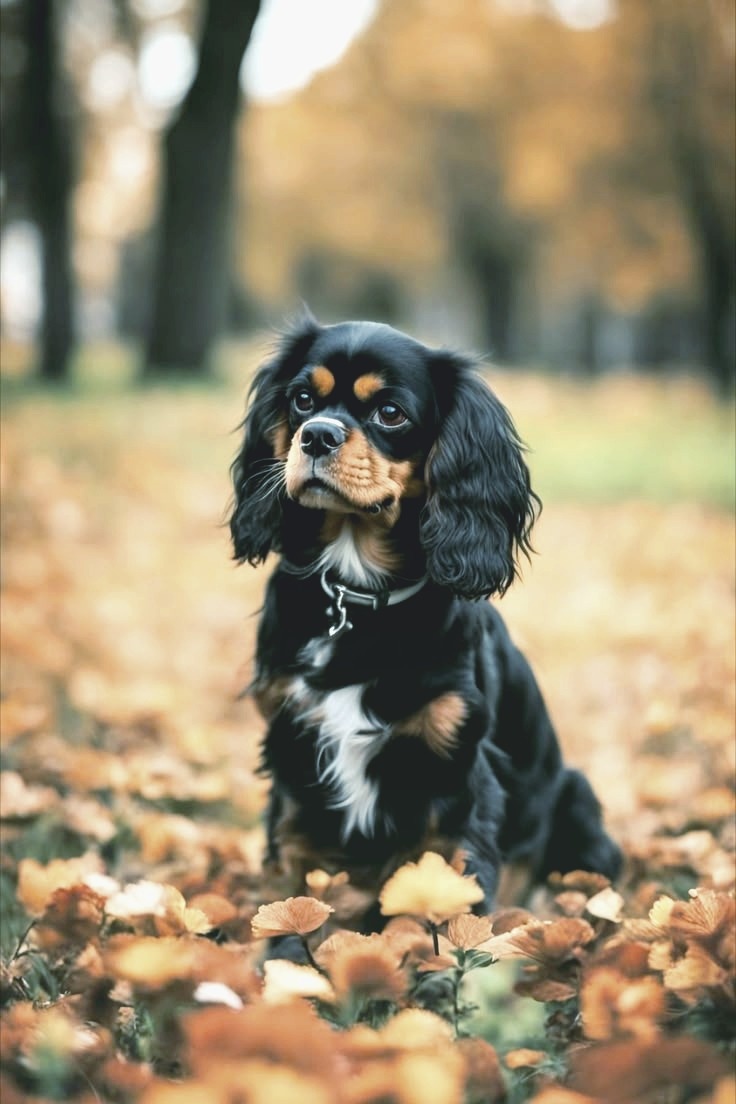
Size: 5-8 kilograms. You can pick them up. You can carry them across the yard. You can sit them on your lap—that’s what the breed was designed for.
2. Shih Tzu
A Tibetan toy breed with long hair and a calm nature, the Shih Tzu doesn’t require long, active walks—a short outing in the morning and evening is sufficient.
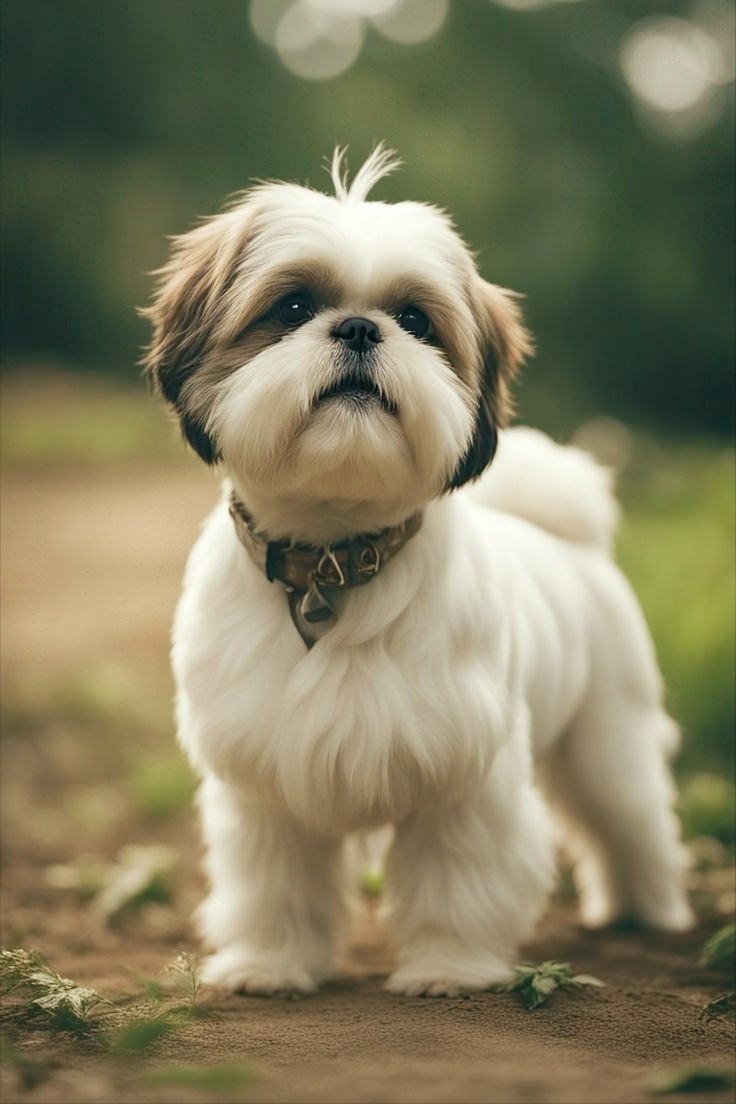
There’s a catch: long hair requires daily brushing. For some, this is a plus (it’s a meditative activity), while for others, it’s an unnecessary burden. Many owners trim their Shih Tzu’s hair short every couple of months. It’s much easier that way.
3. Pug
A pug is all about comfort and companionship. Small, compact, and affectionate, they don’t run away on walks, don’t require hour-long runs, and don’t get into conflicts with other dogs.
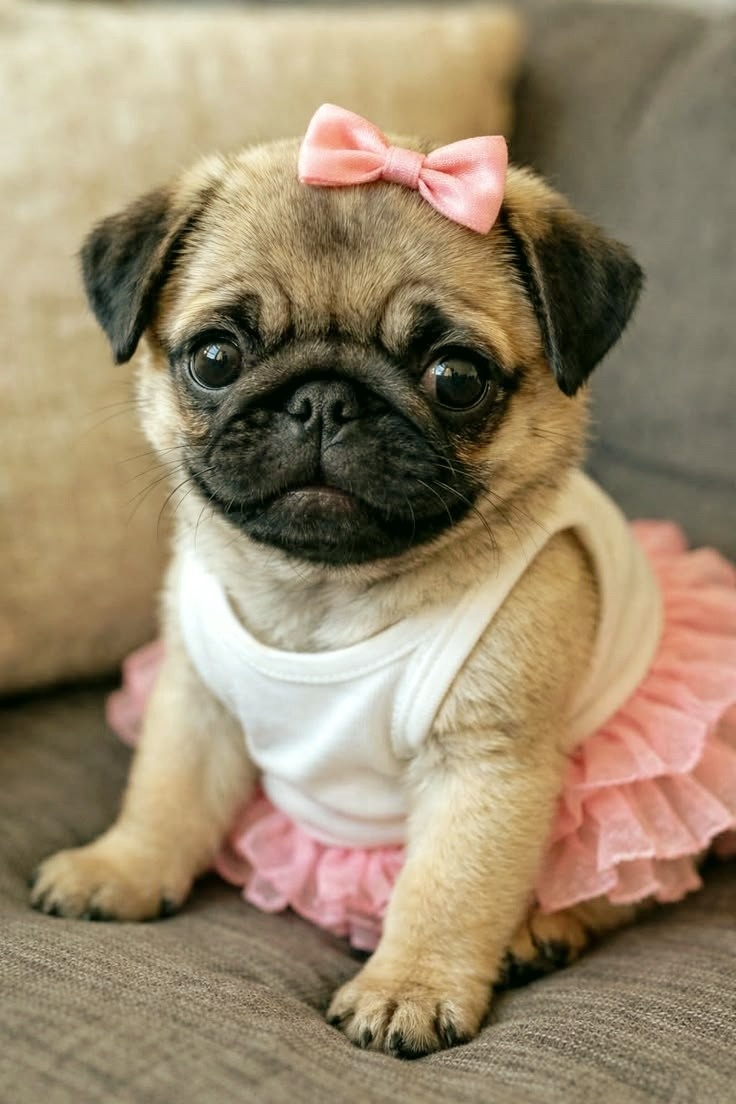
Cynologist Tatyana Ivanova, an RKF expert, noted a characteristic of the breed in an article for the magazine “My Friend Dog”: the pug is so focused on its owner that it literally follows them around the apartment. For a lonely person, the constant presence of a living creature is incredibly valuable.
There’s a downside, though. Due to their shortened muzzle, pugs don’t handle heat and stress well in warmer months. In summer, it’s best to take them for walks early in the morning or late in the evening. Breeders recommend this breed for those living in northern or temperate latitudes.
4. Bichon Frise
A small French toy breed resembling a white cloud, the Bichon was bred as a companion dog for city dwellers and has retained this specialty to this day.
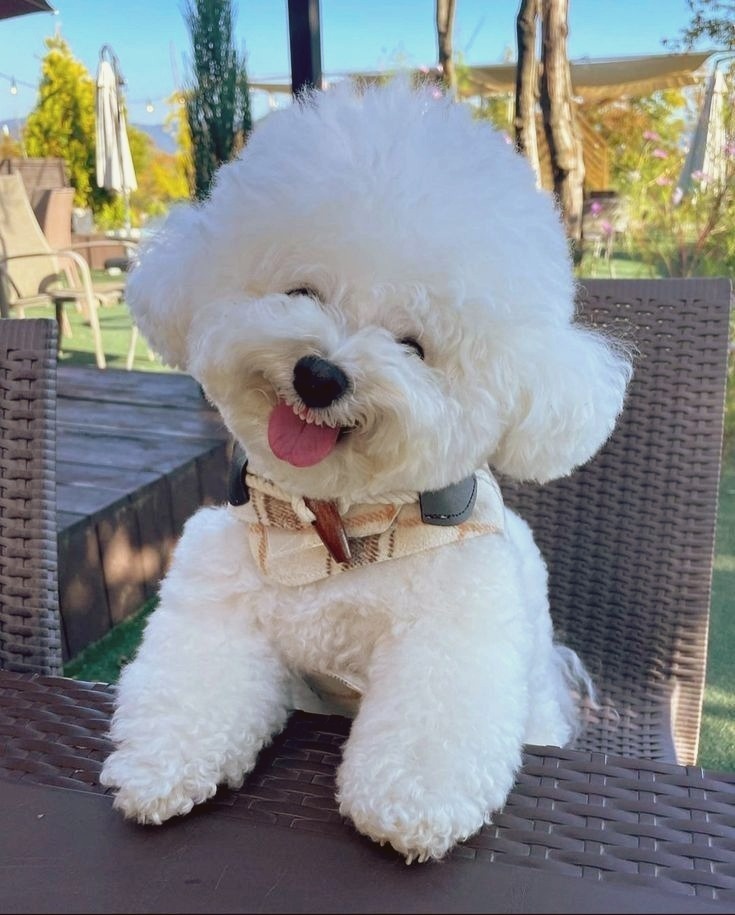
What’s important for older people is that the Bichon doesn’t shed in the traditional sense. Their fur grows continuously, like a poodle’s, and rarely sheds on furniture. This is a huge plus for an apartment: less cleaning, fewer allergic reactions in guests, and fewer dog stains on clothing.
Breeder Olga Nikitina noted in a Zooinform article that the Bichon is a breed with a light, almost cheerful temperament. It’s not anxious, not shy, and not stubborn. It learns commands quickly and is friendly with new people. According to her, “a Bichon is a dog that lifts its owner’s spirits just by its presence.”
5. Toy Poodle
The smallest variety of poodle. Weighing 4–6 kilograms, it is highly intelligent and sheds almost completely. It is an ideal candidate for a city apartment.
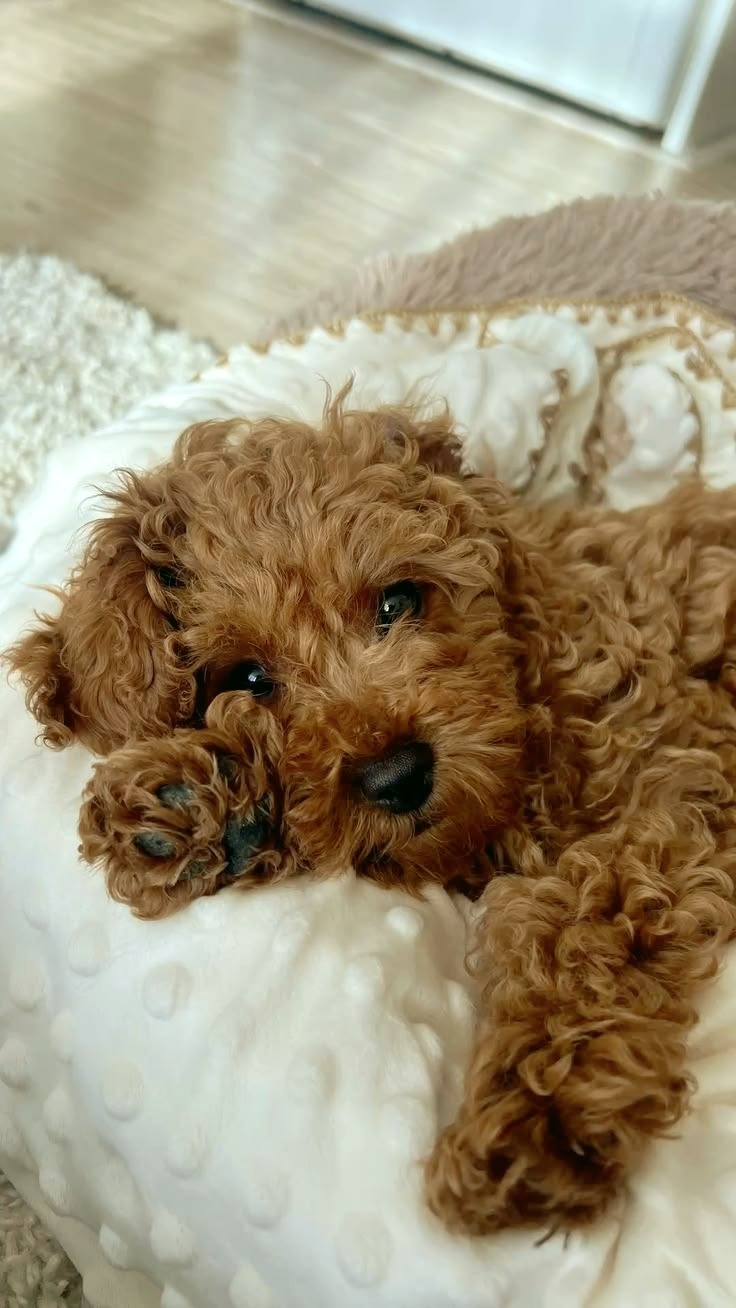
In his book “The Intelligence of Dogs,” Professor Stanley Coren of the University of British Columbia ranked poodles second among all breeds for trainability. For an older person, this means that the dog quickly learns house rules, doesn’t require extensive training, and adapts easily to its owner’s routine.
Toy poodles have a long lifespan—14 to 17 years on average. For those adopting a dog “for life,” this is a compelling consideration. They’re less likely to suffer a difficult loss five to six years later.
6. Havanese Bichon (Havanese)
A small dog with a silky coat, native to Cuba. Its personality is closely related to the Bichon Frise, and it is equally affectionate and stress-resistant.
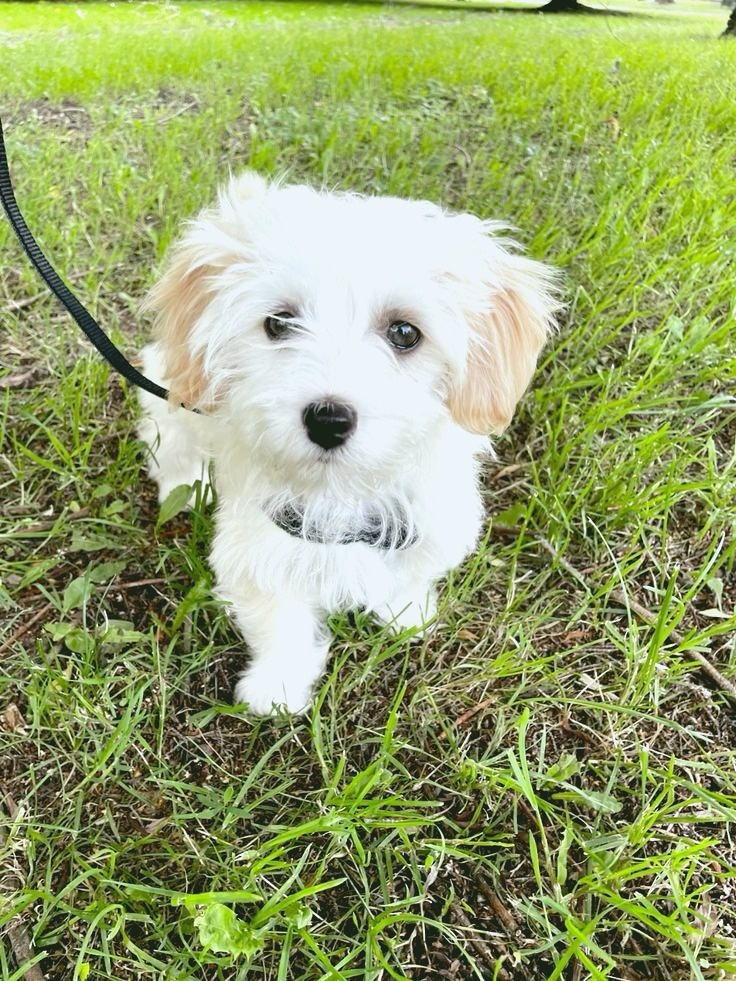
A characteristic of the Havanese is that the breed literally “sticks” to one person. If there are two elderly people in the family, the dog will choose one and follow them around like a dog. For some, this is a plus, for others, a controversial issue.
Breeder Dmitry Kovalev emphasized in a publication on the ZooMir portal that Havanese are extremely rarely stubborn and are almost never capable of “loud behavior” like barking at neighbors or passersby. In a building’s entryway, such a dog is practically invisible.
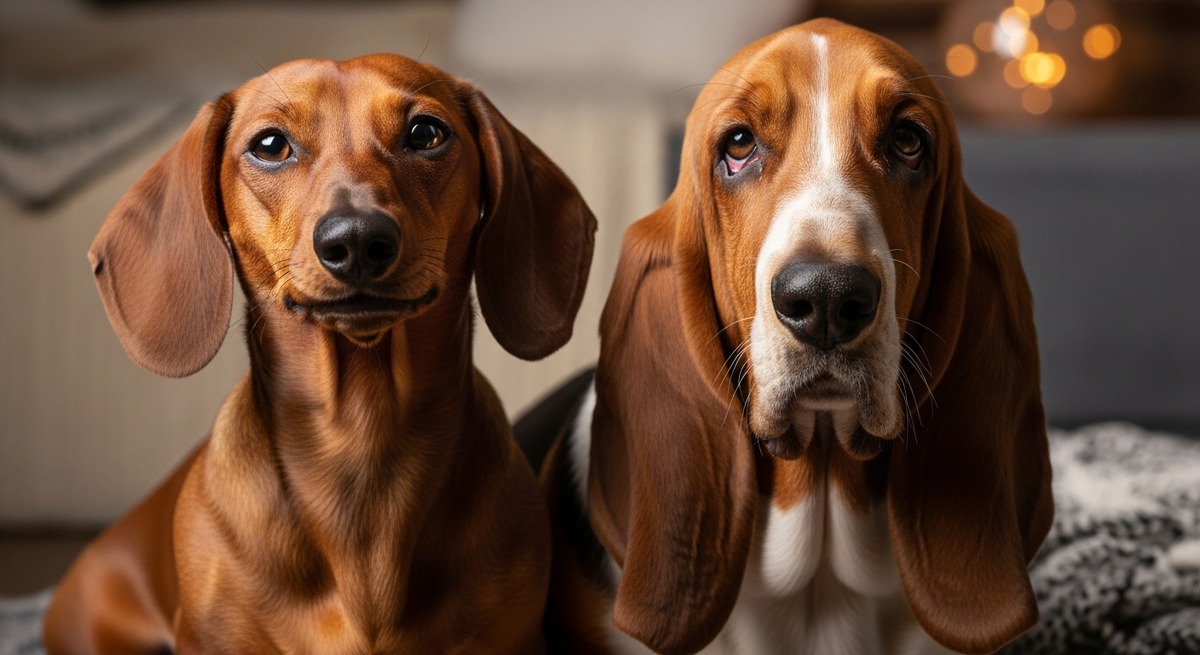
7. Basset Hound
A caveat is in order here. The Basset Hound is a larger breed than the others on this list (weighing 20–29 kilograms), making it a less obvious choice. However, many dog experts still recommend Basset Hounds for older, active owners.
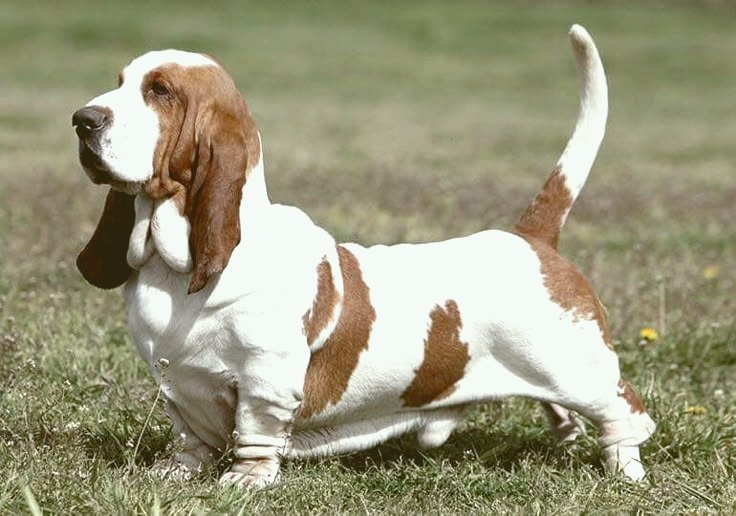
The reason is temperament. Basset hounds are phlegmatic. They sleep 14–16 hours a day, dislike sudden movements, and prefer to walk at a leisurely pace. They pull minimally on a leash, and prefer to sniff bushes rather than run off on walks.
Canine trainer Alina Sher, on the “Sobakin” podcast, told the story of a friend, a 72-year-old pensioner from Balashikha, near Moscow, who adopted a basset hound after her husband died. “They walk around the yard at the same pace,” Sher described. “She doesn’t pull him, and he doesn’t pull her. They’re a perfect pair.” The dog’s size, in this case, turned out to be a plus—having a large dog nearby feels protective.
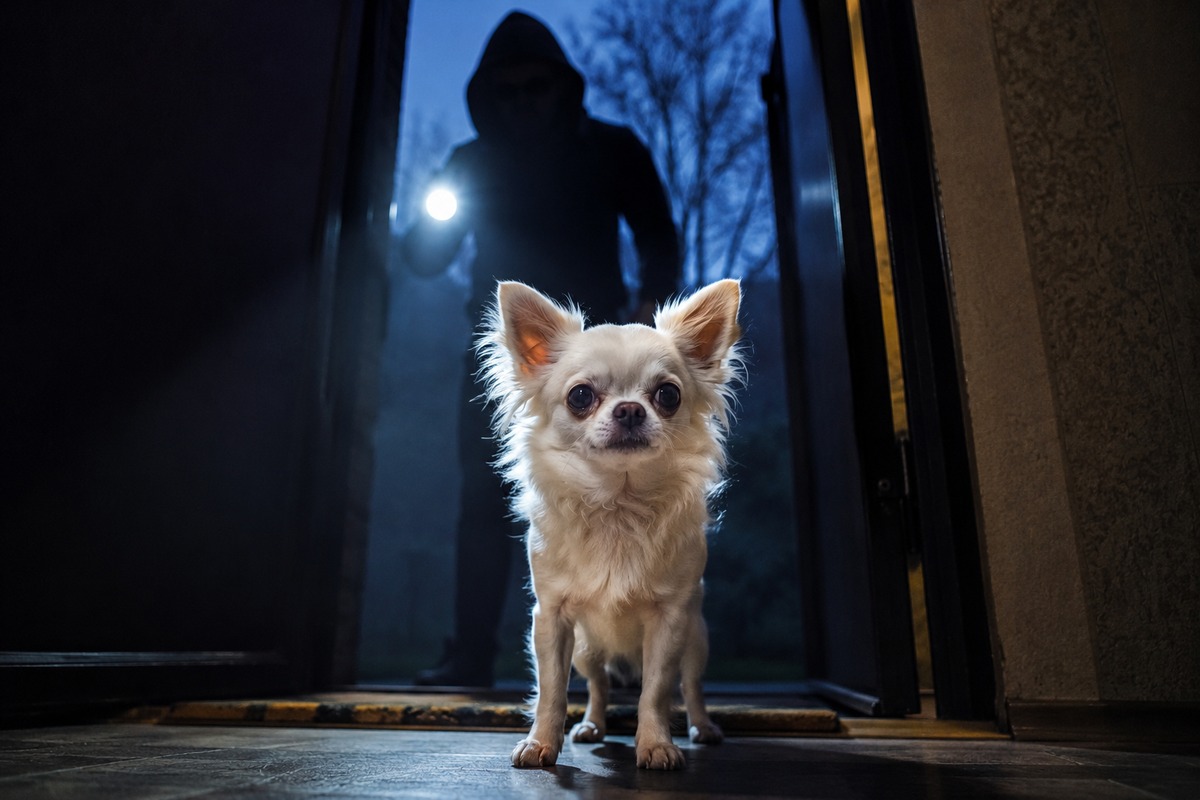
8. Chihuahua
The smallest breed in the world. Weighing 1.5–3 kilograms, the lifespan is often 15–18 years. They fit in a bag, a car, in your arms, or on your lap.
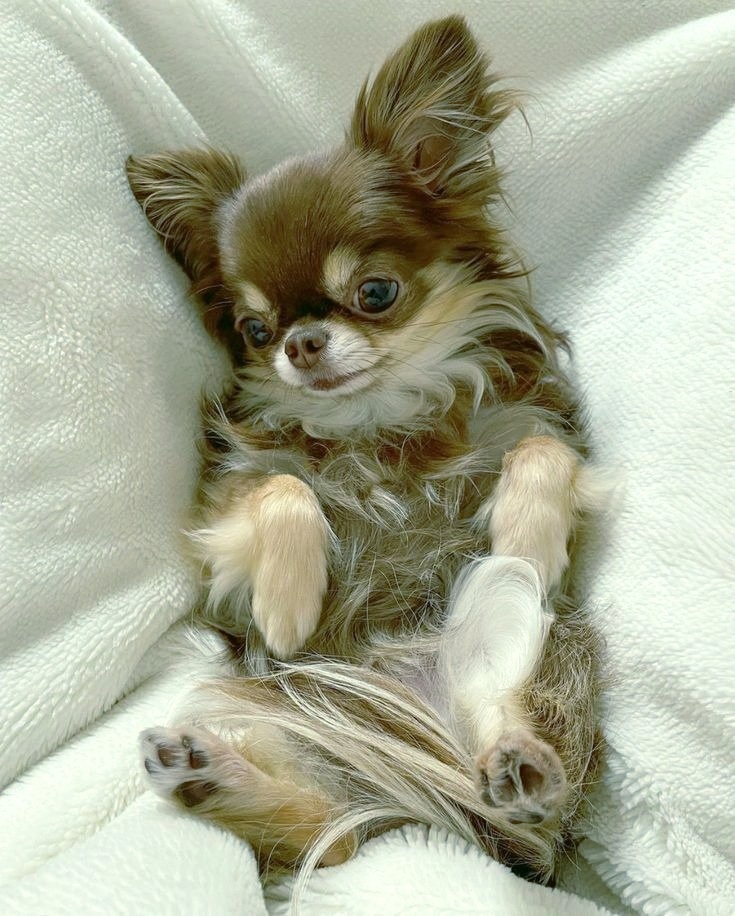
The paradox of the Chihuahua is that this tiny breed has the personality of a large dog—stubborn, clingy, and sometimes jealous. Canine expert Anna Efremova warned on the “Sobakin” podcast: “A Chihuahua is not a toy. It’s a dog in a miniature package.”
For an elderly owner, one thing is important: the breed is physically safe. A Chihuahua won’t knock you over on a slippery floor, yank you off your leash, or drag you across ice. And it offers as much companionship as a dog ten times its size.
What is important to consider when choosing
A few practical considerations that are often forgotten when choosing a puppy.
A dog’s age. A puppy requires two years of intensive work: training, walks, vaccinations, and endless “no, you can’t go there.” For someone over 70, this can be too much. The alternative is to adopt an adult dog 2-4 years old from a kennel or shelter. Their character is already formed and they’ve learned basic commands.
And finally, dog trainers unanimously advise: before buying a puppy, you should honestly ask yourself who will take the dog if something changes with the owner’s health. This isn’t a panicked thought, but simple adult prudence. If the answer is yes, then you can get the dog. If not, it’s better to get an adult dog adopted through a foster care program.
What kind of dog do your parents or older relatives have, and how much did its personality match the one they promised when you bought it? It’s especially interesting to hear about the unexpected aspects of the breed—the ones that aren’t mentioned in standard descriptions.