

Why does a dog have loose stools? 7 reasons, from food to hidden illnesses

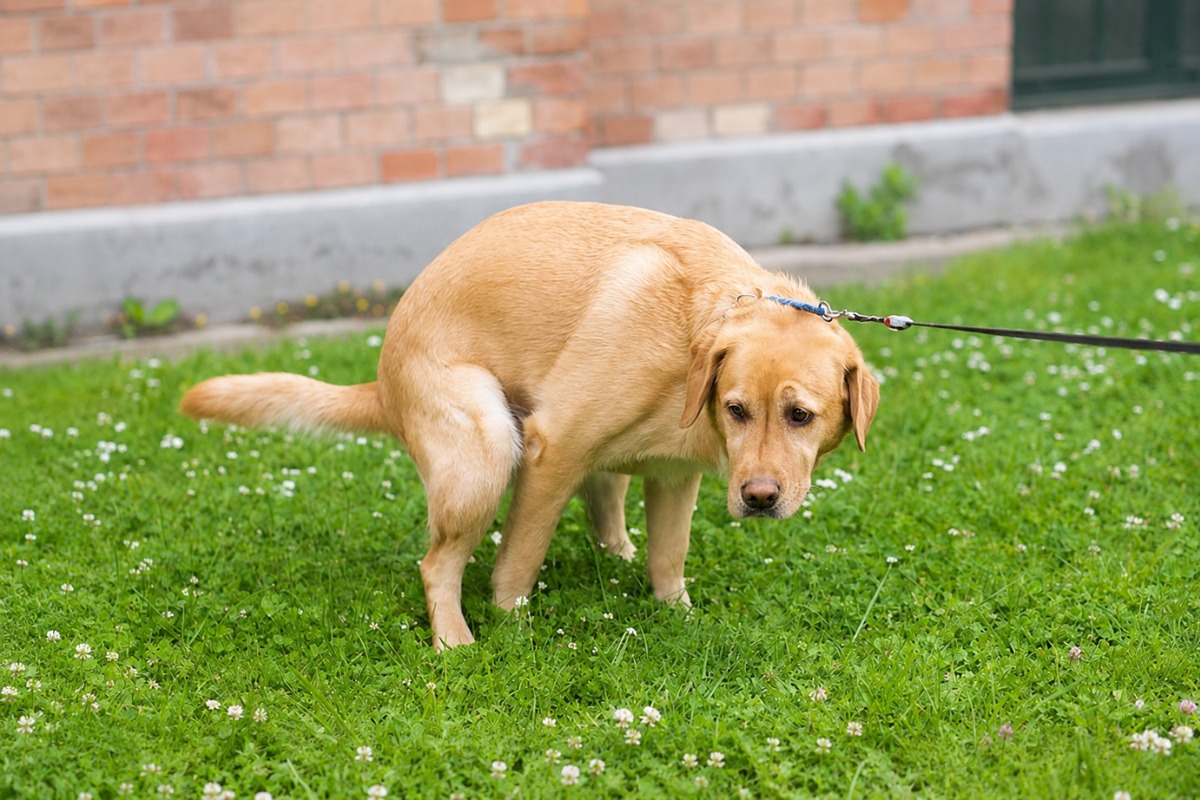
Loose stool in dogs is not a diagnosis, but a symptom. In veterinary medicine, diarrhea is defined as stool with increased water content, often accompanied by frequent bowel movements, rumbling, gas, mucus, or false urges to defecate. An acute episode lasts up to 14 days, while a chronic episode lasts longer or recurs regularly. The causes can vary widely, and this determines whether a simple dietary adjustment is needed or an urgent trip to the vet is necessary.
Why does a dog poop runny? Main reasons
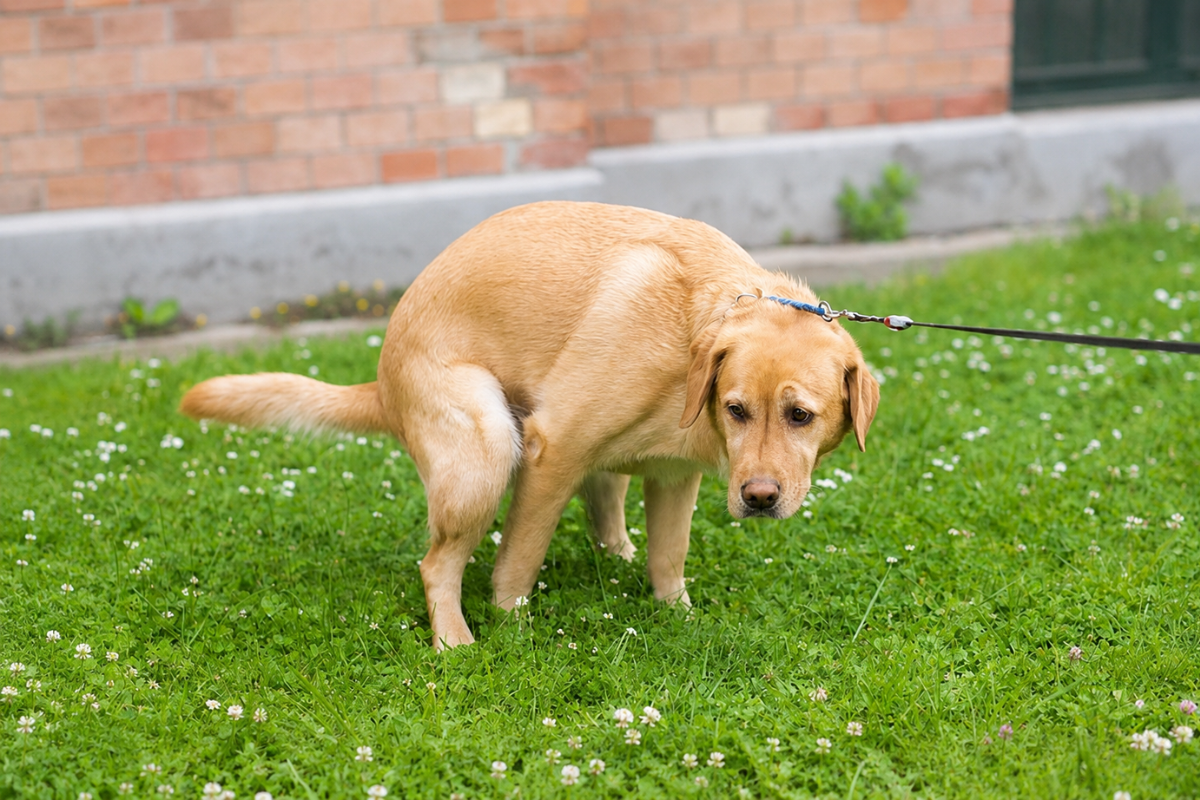
1. Food Mistake
The most common cause of acute diarrhea at home is eating something wrong. A sudden change in food, fatty foods, bones, table scraps, garbage, spoiled food—all of these can upset even a healthy dog. The gastrointestinal tract reacts predictably: it accelerates the evacuation of its contents.
2. Food intolerance and chronic enteropathy
If a dog regularly has loose bowel movements, is losing weight, suffers from gas, and has an unstable appetite, that’s a different story. Chronic enteropathy—an inflammatory or immune-mediated intestinal disease—requires diagnosis, not yet another change in diet. Endless dietary experiments without understanding the cause only delay the diagnosis.
3. Parasites
Giardia, roundworms, and whipworms can cause intermittent loose stools, mucus, and weight loss. Important: different parasites require different medications and regimens, and regular deworming does not guarantee protection against all of them. A stool test in this situation is more informative than randomly selecting a medication.
4. Infections
Bacterial and viral infections can affect the stomach and intestines. They pose a particular threat to puppies, unvaccinated animals, and dogs with weakened immune systems—in these dogs, infectious diarrhea can quickly progress to severe dehydration.
5. Colitis
When the colon is inflamed, stool is passed in small amounts, containing mucus, sometimes streaked with fresh blood, and with frequent urges to defecate. According to the MSD Veterinary Manual, colitis in dogs can be acute or chronic, and treatment depends directly on the identified cause: this may include deworming, dietary therapy, microbiota adjustments, or anti-inflammatory support.
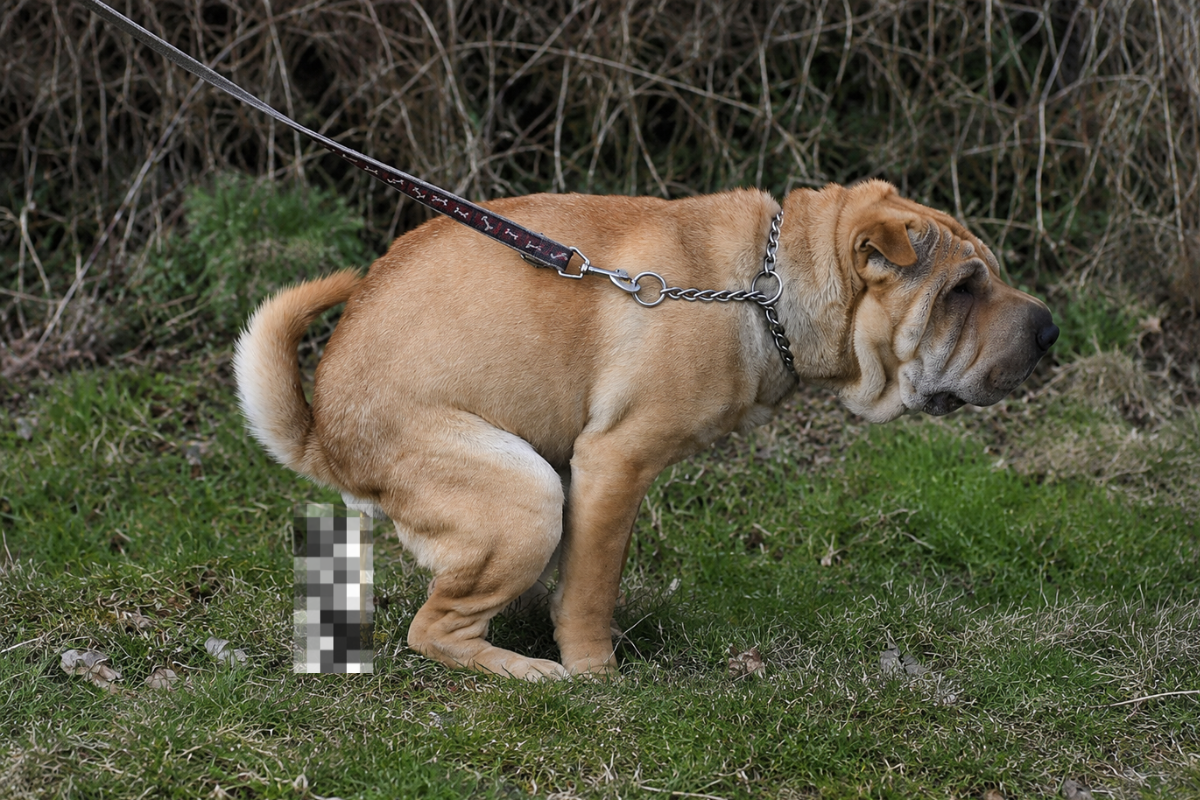
6. Acute hemorrhagic diarrheal syndrome
Sudden, severe vomiting combined with profuse, bloody diarrhea is the clinical picture of acute hemorrhagic diarrheal syndrome. This condition requires immediate intravenous fluid therapy; antibiotics are not needed for everyone, only in severe cases or with signs of systemic infection.
7. Diarrhea as a symptom of other diseases
Diarrhea doesn’t always indicate problems with the gastrointestinal tract. Pancreatitis, liver and kidney disease, endocrine disorders, Addison’s disease, and tumors can all cause bowel problems. If diarrhea is prolonged or recurring, avoid focusing solely on food.
What to do if your dog has loose stools
If you have an adult, vaccinated dog who remains alert, drinks water, doesn’t vomit, and has no blood in her stool, you can start with basic measures at home:
-
Water should be freely available. The main risk with diarrhea is dehydration and electrolyte loss. The bowl should be kept full at all times.
-
Eliminate food irritants. Treats, bones, fatty foods, dairy products, table scraps, and any new foods should be temporarily eliminated. A veterinary gastrointestinal diet is the best option. If this is unavailable, a low-fat, easily digestible diet will suffice temporarily, but this should not be a long-term, unbalanced diet.
-
Avoid starving your dog. Modern veterinary practice for acute diarrhea favors early, gentle feeding of easily digestible food, provided there is no repeated vomiting or signs of serious illness. Prolonged fasting is especially undesirable for puppies, small breeds, and older dogs.
-
Probiotics and sorbents are adjuvants that can be discussed with a veterinarian, but they do not eliminate the cause.
When you need to see a doctor without delay
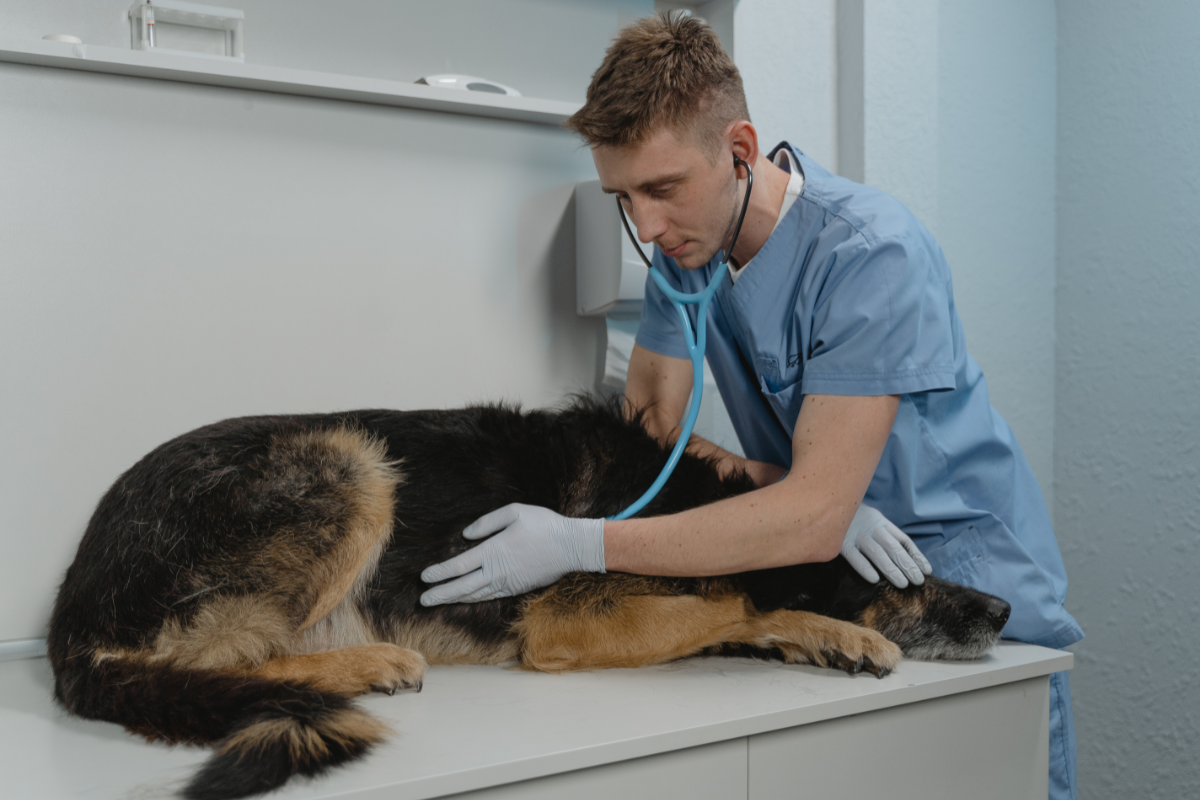
There are signs that home monitoring is inappropriate:
-
blood in the stool or black tarry stool;
-
repeated vomiting;
-
pronounced lethargy, weakness, refusal to drink water;
-
abdominal pain or bloating;
-
dry sticky gums, sunken eyes, infrequent urination are signs of dehydration;
-
high temperature;
-
puppy, elderly, pregnant dog or animal with chronic diseases;
-
diarrhea lasts longer than 24–48 hours or recurs regularly;
-
The dog could accidentally eat a toxin, medicine, or foreign object.
If your dog is stooling blood and liquid, especially when accompanied by vomiting and weakness, it’s an emergency. Severe bloody diarrhea accompanied by fever, pain, and dehydration requires immediate medical attention.
What not to do
Human antidiarrheal medications should not be given without a doctor’s prescription – some of them are dangerous in cases of infections, intoxications, and bloody diarrhea.
Antibiotics “just in case” are a common but harmful practice. Dogs with mild to moderate acute diarrhea typically do not need antibiotics: their uncontrolled use disrupts the gut microbiota and leads to resistance.
Deworming a sick dog with severe diarrhea, vomiting, or weakness without first examining it is not a good idea. First, assess the dog’s condition and rule out infections.
Changing food every few days will only worsen the disorder rather than cure it.
What does a veterinarian look at?
For a single mild episode, an examination and symptomatic support may be sufficient. For prolonged, severe, or recurring diarrhea, a doctor will typically order a stool test, tests for parasites and giardia, a complete blood count, blood chemistry panel, electrolytes, and an abdominal ultrasound. If extraintestinal causes are suspected, additional tests may include liver and kidney function tests, testing for Addison’s disease, and pancreatitis markers.
A single episode of loose stool in a healthy dog who drinks water and doesn’t vomit is a reason to remove the food triggers, switch to a bland diet, and observe for a day or two. Blood in the stool, vomiting, weakness, pain, or persistent diarrhea are no longer a situation for home experiments. In such cases, it’s best to take the dog to the vet: it’s both cheaper and safer for the animal.