How to tell your dog “I love you” in his language

Many breeds remember their working tasks, as nature has ingrained the instructions directly into their genes. They can vocalize to attract attention, protect their owner when an adversary appears, patrol the property, analyze scents, and much more. But a dog isn’t a fluffy biorobot with a set of guard instincts! Rather, they’re creatures with a delicate emotional structure. And all dogs value being loved and respected. Then there’s no doubt about their loyalty. The only problem is that people and their pets speak completely different languages. How can you convince your pet that they’re practically the center of the universe for their owner?
Heart-to-heart conversations
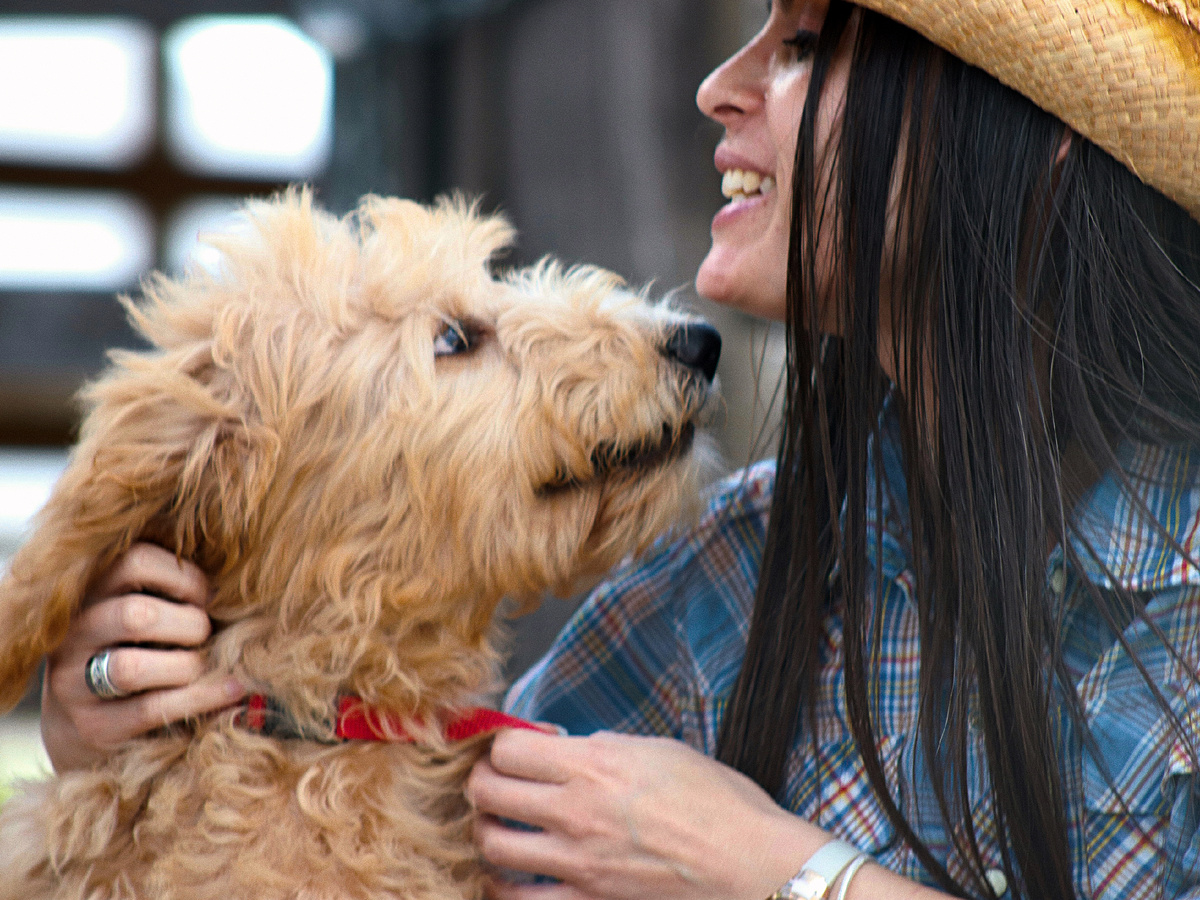
A person who regularly communicates with their dog can gain not only a silent listener but also a first-class empath! The dog will quickly understand that it is trusted, because only to a trusted person can you complain about your fate, a tyrant boss, or the bad weather outside.
Scientists have long since proven using MRI that dogs process human speech with both hemispheres of the brain.
A response is inevitable—any dog will talk about its problems. Observe its behavior—it may well hint at a nasty person in your circle. Or complain about a sore paw. The key here is to learn to listen.
Hug with a glance
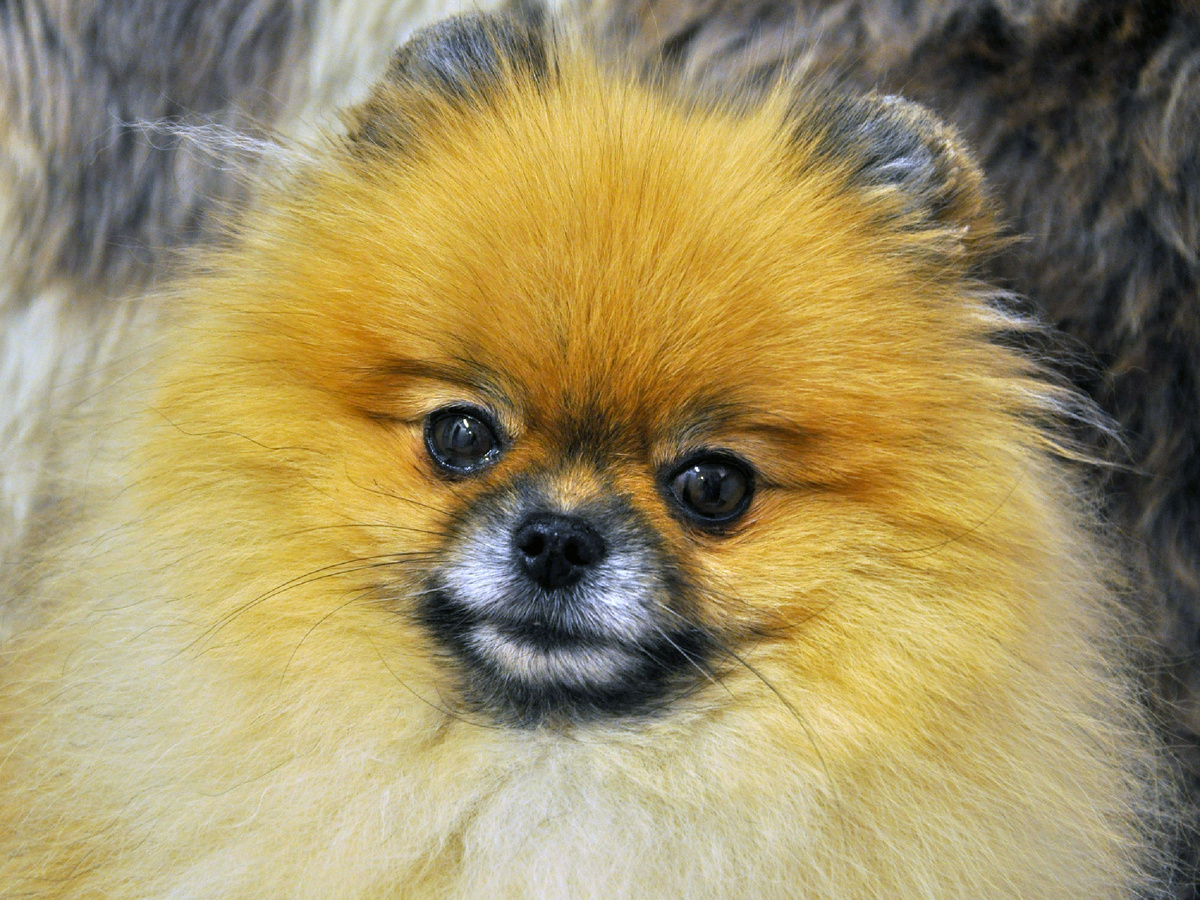
In the wild, prolonged eye contact between predators is always a challenge and a prelude to combat. However, over millennia of evolution, domestic animals have managed to hijack human biology.
It’s been scientifically proven that when a dog and a human gaze into each other’s eyes with a soft gaze, oxytocin, the hormone that promotes trust and affection, is released in both their brains. A similar process, incidentally, occurs between a mother and her child.
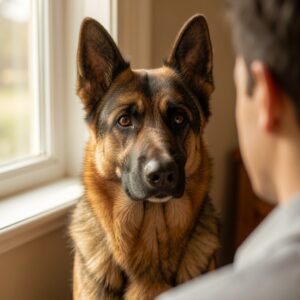
Never ignore the moment when your dog sits right in front of you and tries to peer into the depths of your soul. Reciprocate.
We are dividing the living space
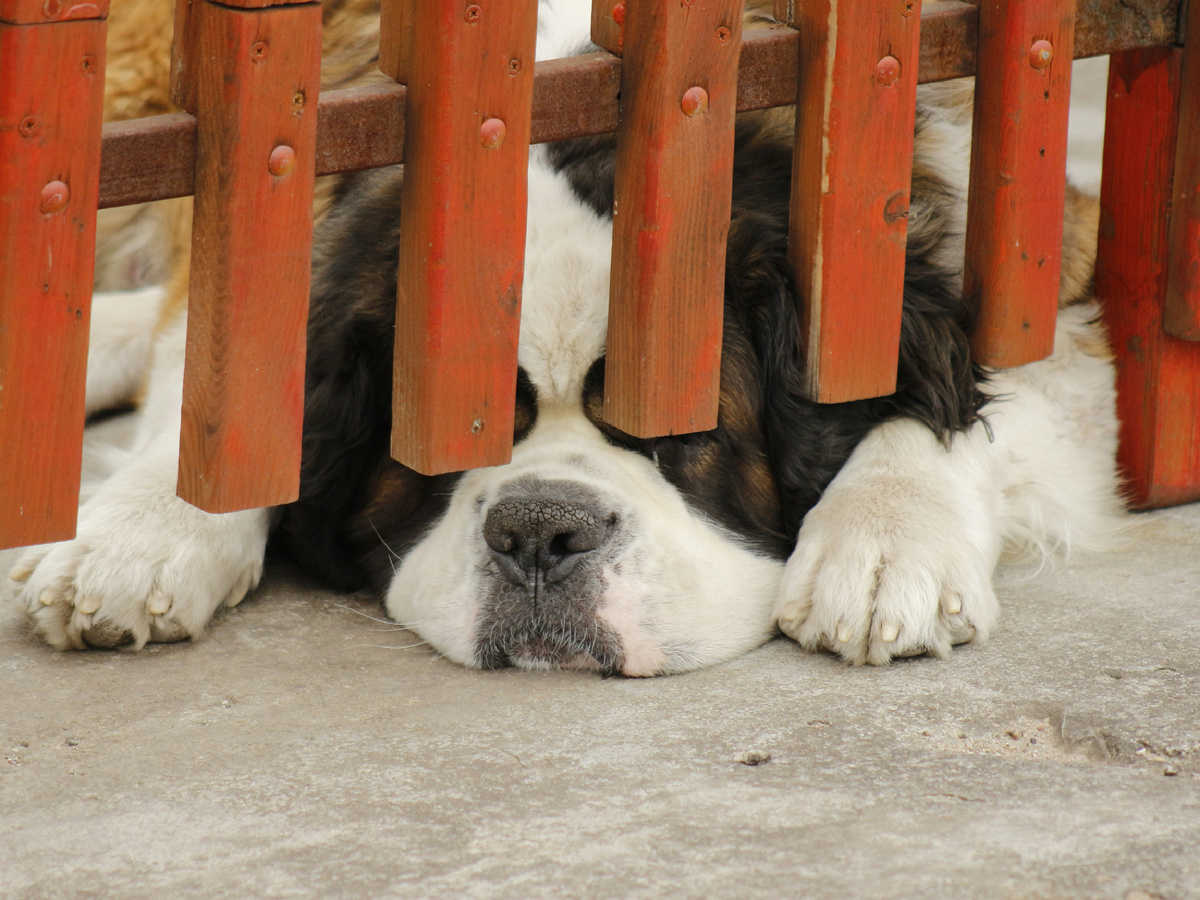
And even if a huge wolfhound lives in a closed enclosure outside, that doesn’t mean you shouldn’t share territory with it? Not at all. Do you let your pet out to stretch his bones in the yard? Call him to a gazebo, a bench, or the threshold of your home—sit, chat, and reflect on the eternal.
All dogs are territorial and respectful of the property of others. For them, access to the pack leader’s territory is a sign of their service to the pack.
The most important thing is for the dog to understand that its owner is willing to share a roof over its head and a place to rest. If a furry friend is allowed into the house voluntarily, given a private corner, know that in canine language, such trust is equated with love.
The magic of smell
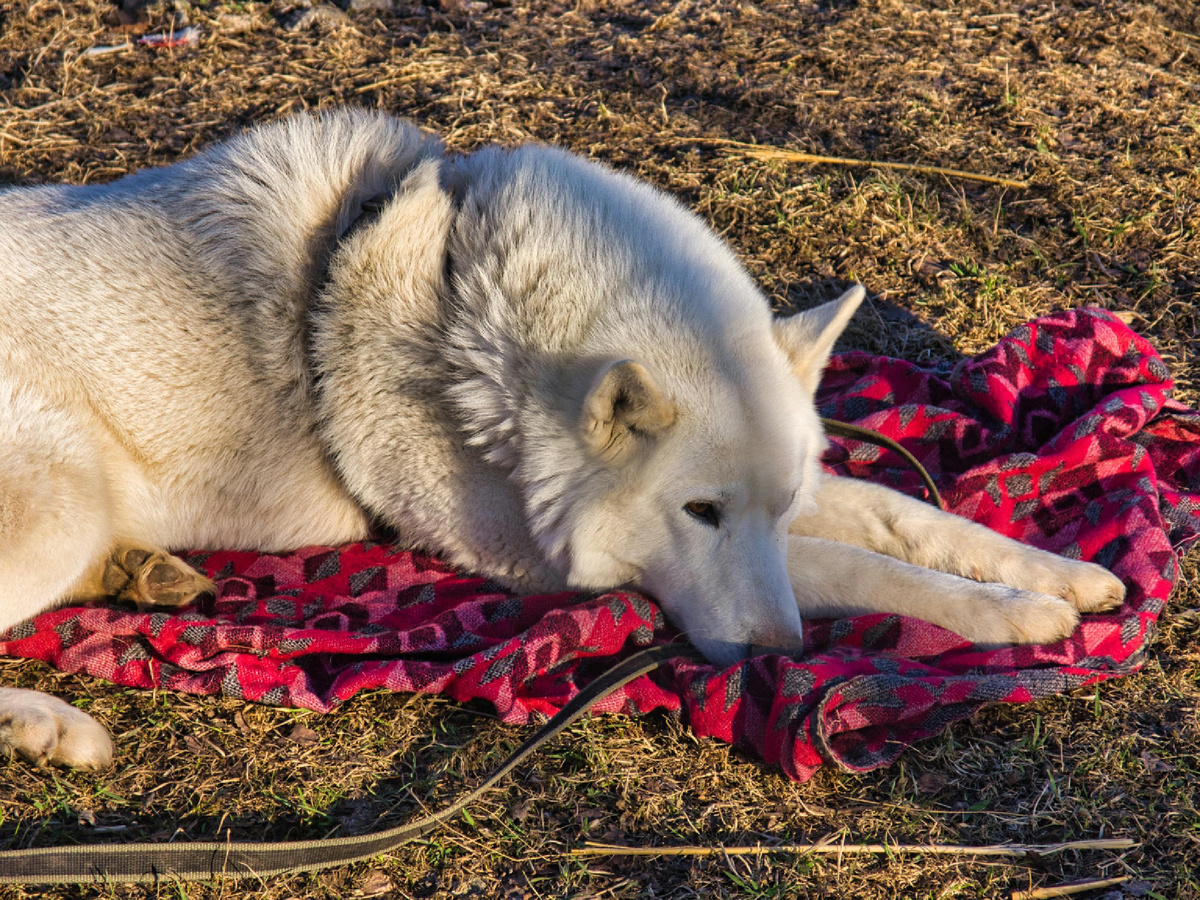
While humans are more visual, dogs live in a rich universe of scents. For them, the scent of their beloved owner acts as a calming sedative. If your dog has quietly snuck away a worn-out T-shirt, chewed on your stale socks, or curled up on your slippers, don’t be too quick to scold them.
The owner’s scent activates areas of the dog’s brain associated with positive emotions and pleasure.
Leaving an old item with a pet during moments of separation is a sign of the utmost care. For a human, it’s a banal old sweater from the dacha, while for a dog, it’s an exclusive perfume branded “The Leader Is Nearby.”
Gravitational attraction
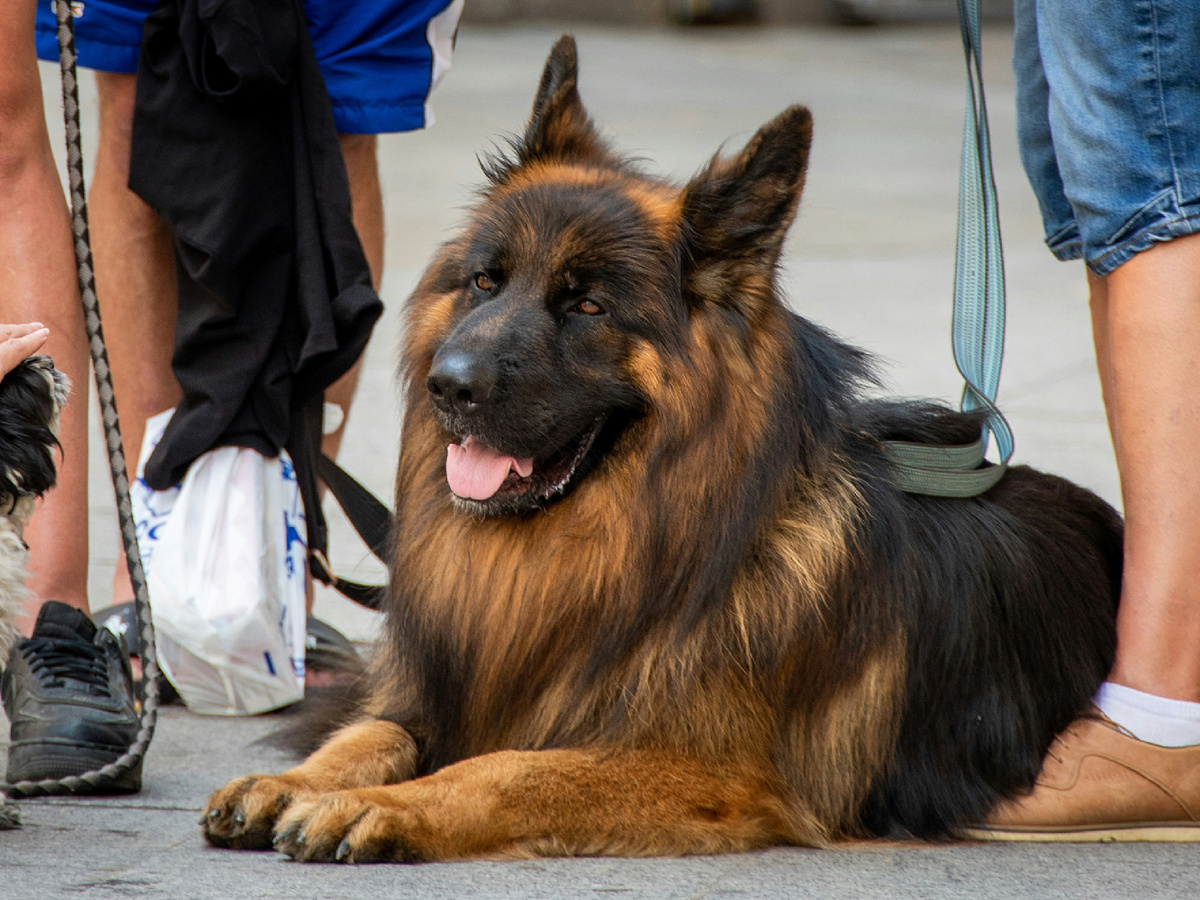
Are you standing in the kitchen and your 70-pound calf approaches you, leaning heavily on your shin with all its weight? Many people mistakenly perceive this maneuver as fatigue, an attempt to scratch themselves, or innate clumsiness. In fact, in canine body language, it’s the equivalent of a strong human hug.
The dog physically trusts you with its balance, as if saying, “I feel so safe with you that I’m willing to lean on you in this unstable world.” In this case, a gentle lean in response or simply a gentle pet is enough.
Joint leisure
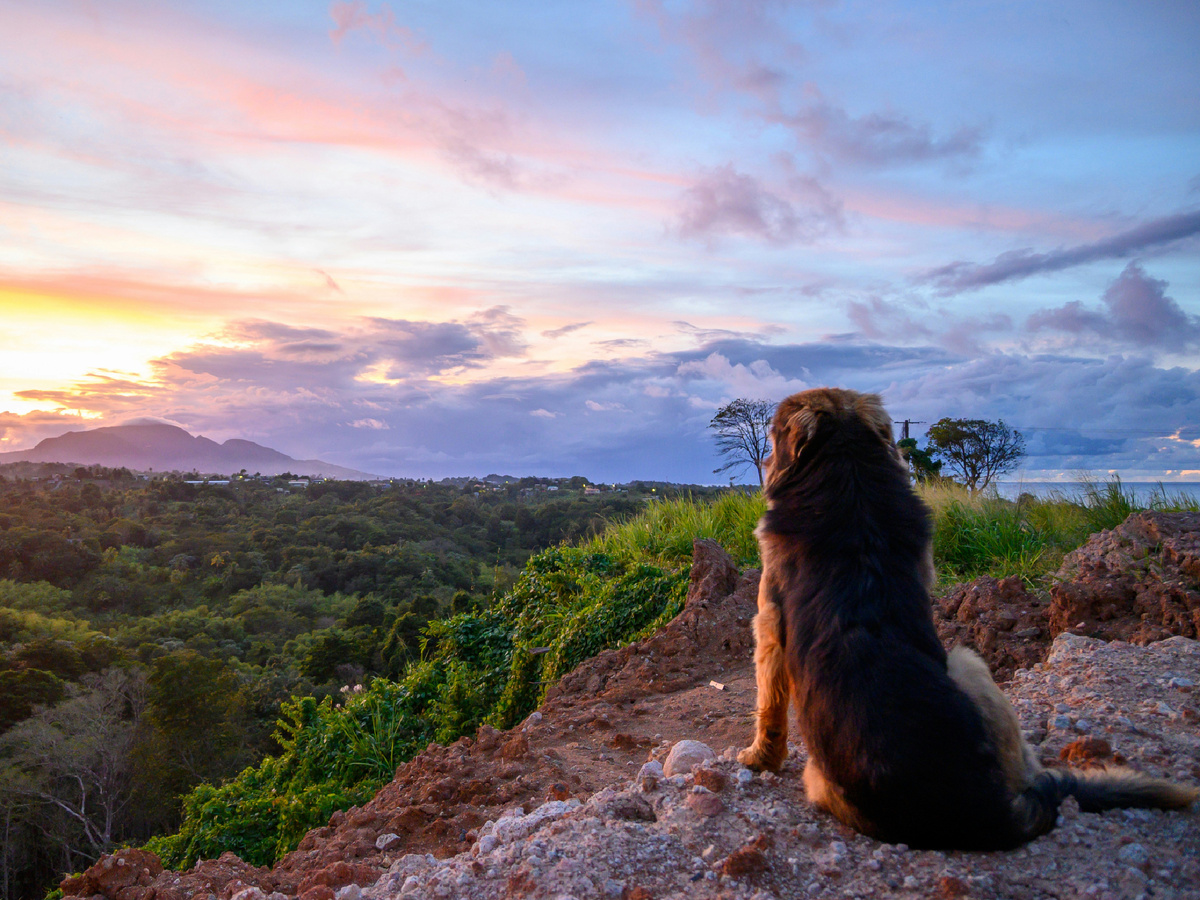
What do owners most often do when they go out? They tell their dog, “You’re in charge, I’ll be back soon.” It’s depressing, boring, and bitter—but that’s a dog’s lot. For a social animal, isolation feels like a death sentence. If an owner wants to show love, they should at least occasionally take their pet along.
Taking out the trash, running to the dacha to get things, or even hanging out with friends. A change of scenery and a kaleidoscope of new smells are the best mental stimulation for a dog’s brain.
The dog will feel important, which means it will become more useful within the family. The moment you announce a walk, the dog will immediately cooperate—it will fetch the leash and show its delight by circling the hallway.
Covering the rear
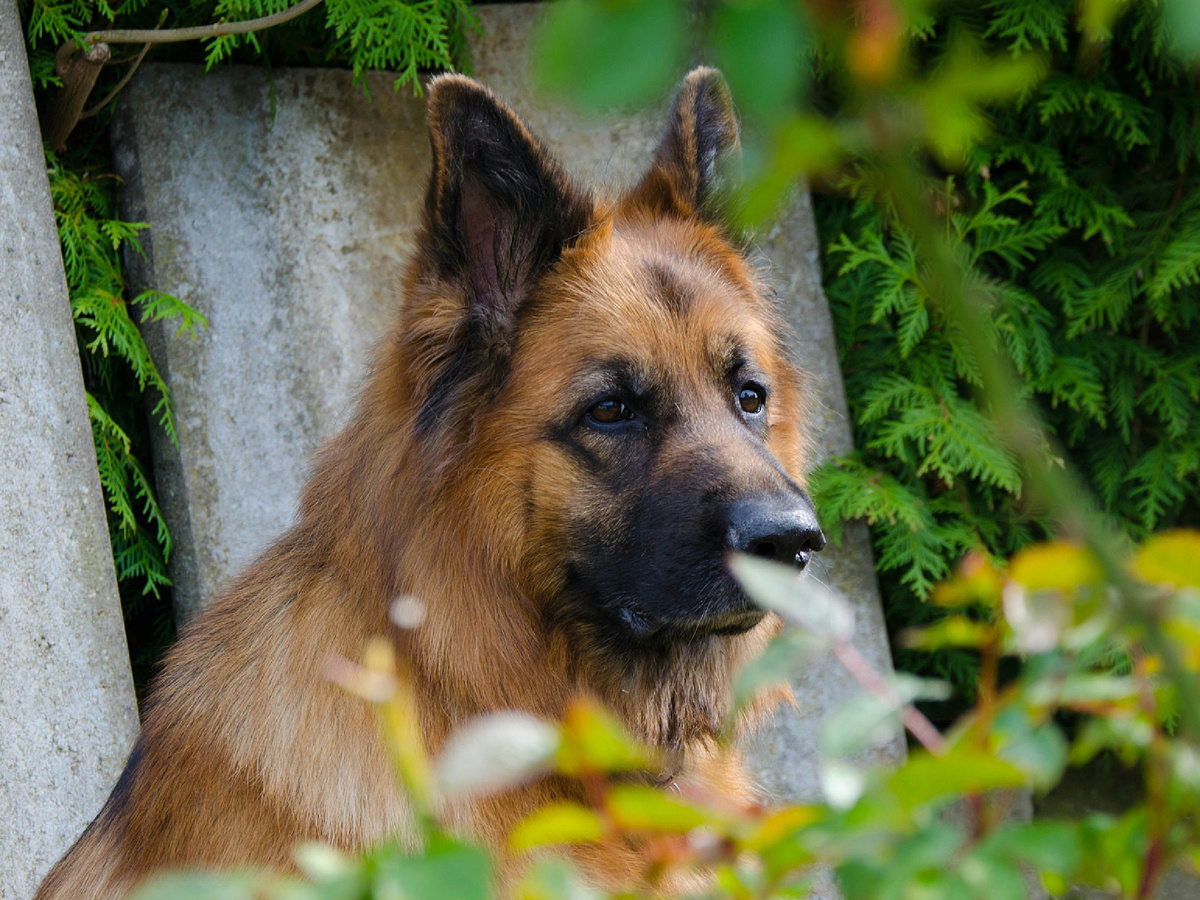
Have you ever noticed how your proud and independent pet, while crouching under a bush to do its business, suddenly begins to seek eye contact with you? It might seem amusing to its owner, but for a descendant of ancient predators, it’s a matter of survival. In nature, relieving oneself is a moment of extreme vulnerability to an enemy. By looking at you at this moment, the dog seems to be asking, “Buddy, watch my back while I’m busy.”
How should you respond? Stand nearby, vigilantly scan the surroundings, and exude confidence. This will instill in the dog a tremendous amount of respect for you. In its eyes, you ensure the safety of the pack.
Dog dictionary
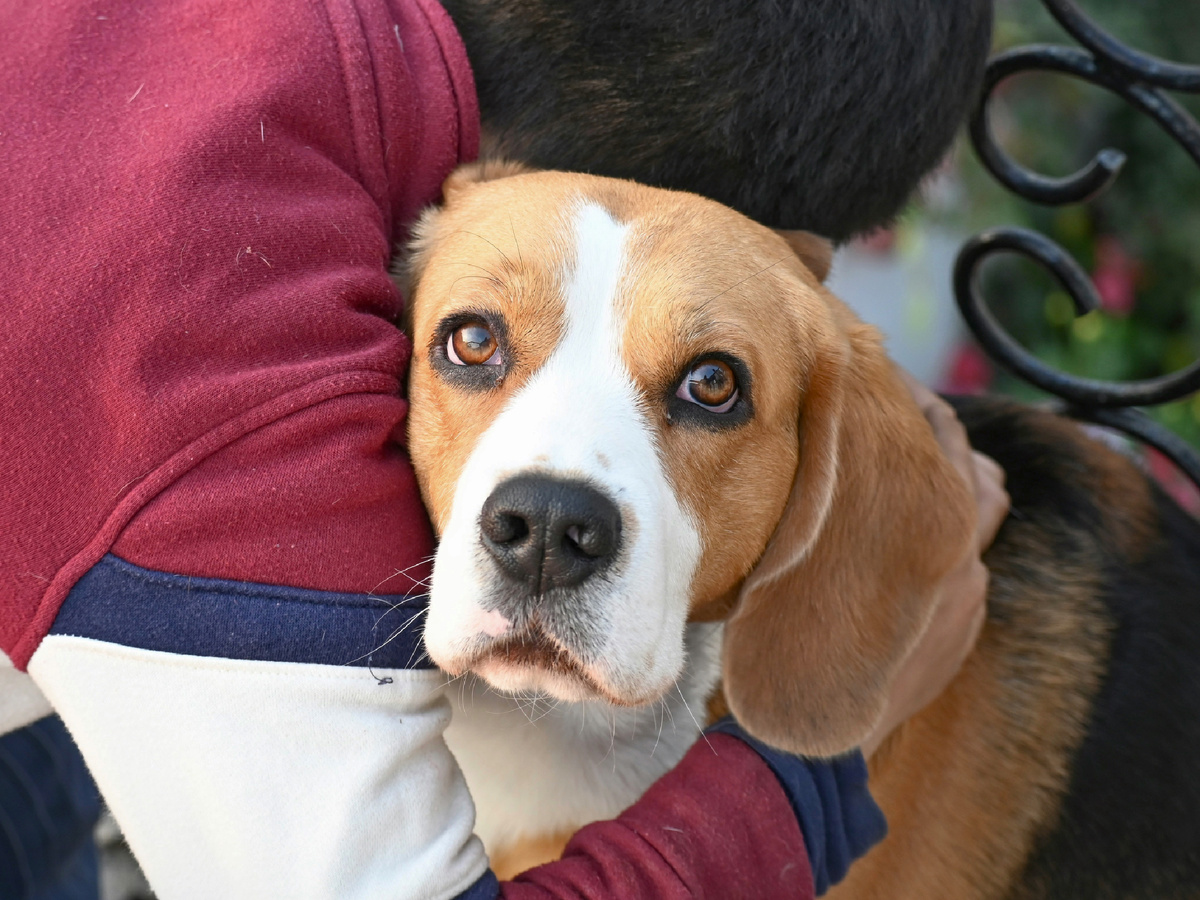
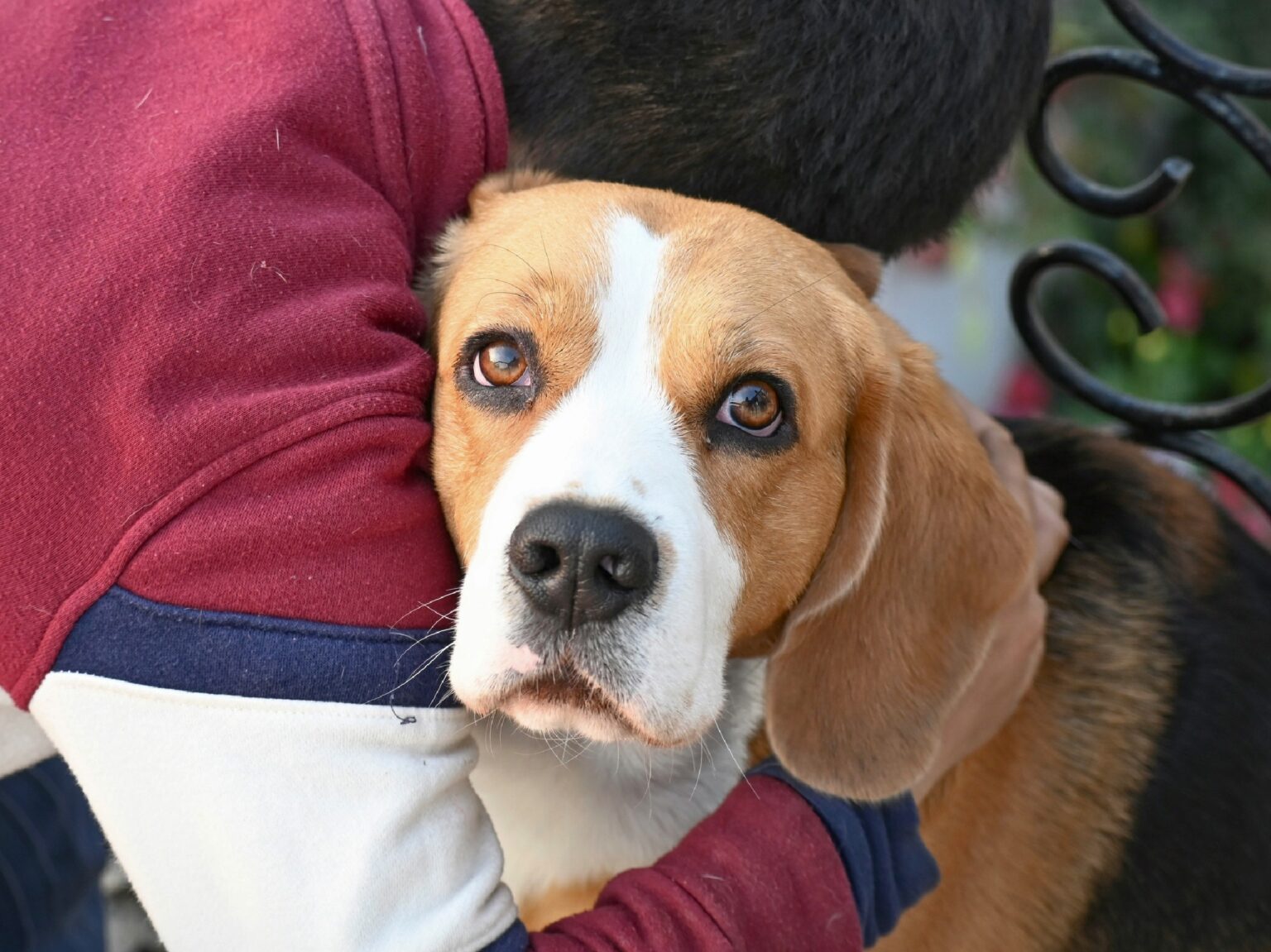
Humans are emotional creatures. They love to cuddle and hug animals at every opportunity. But dogs can sometimes find this intense affection unpleasant. During a bear hug, a pet may lick its nose, yawn nervously, turn its head away, or flatten its ears.
In canine science, this behavior is called a kind of appeasement signal. The idea is that the animal politely but firmly communicates: “Master, I love you, but I’m uncomfortable. Loosen your grip.”
Respect for a dog means knowing when to stop. If you learn to recognize micro-expressions of displeasure and respect personal boundaries, your dog will understand that it shares its living space with the wisest of creatures.
Coincidence of desires
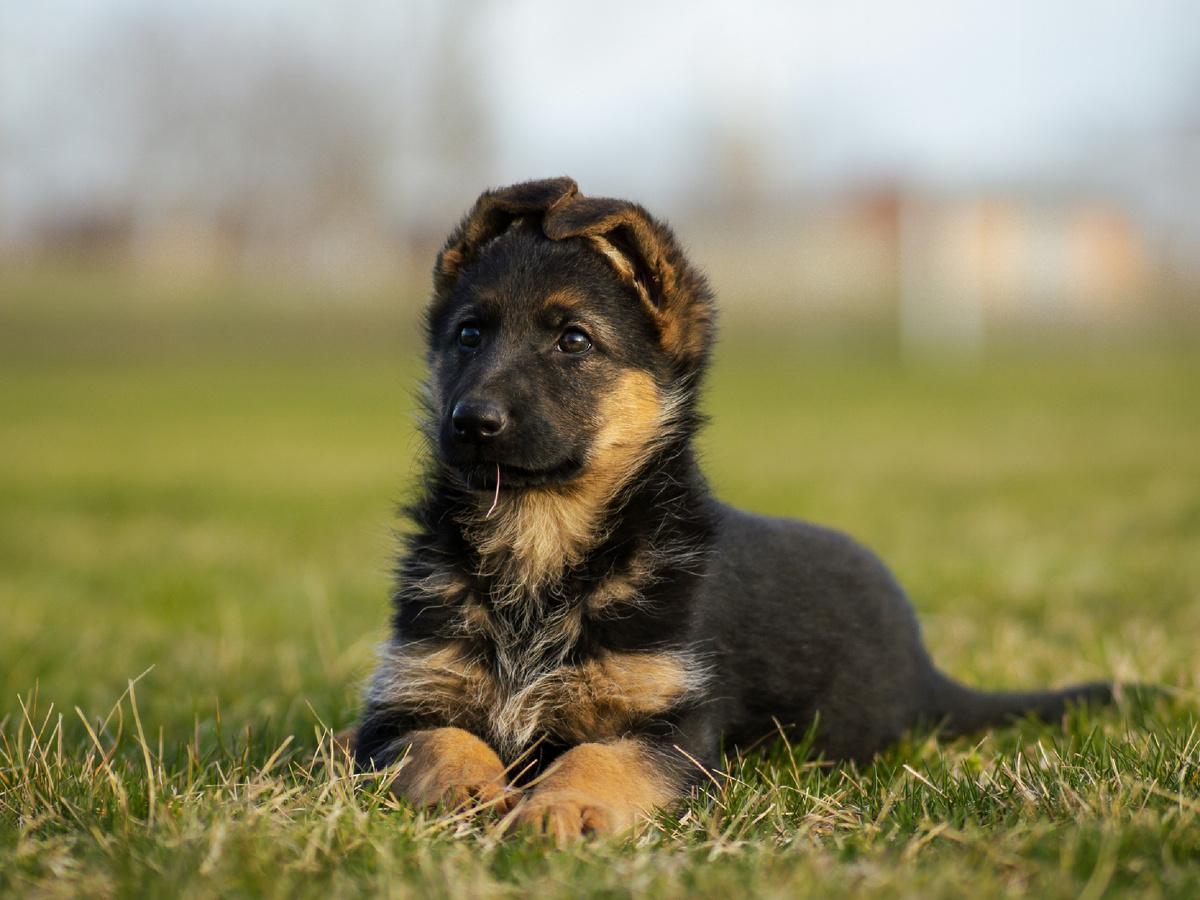
A familiar scene: go back to your place, I’m busy right now! And the dog stands there with a toy in its mouth, eager to spend time with its owner. It looks devotedly into his eyes and desperately hopes for a game. While the owner finishes chores, finishes overtime, and spends time with the family, the dog will obediently wait in its corner, hoping for a miracle.
The ability to put aside one’s daily routine for five minutes for spontaneous play is a powerful signal of respect. And the more often the desires of the owner and dog overlap, the more confident the pet will be in their love.
For us they are a page in life, for them we are their whole life.