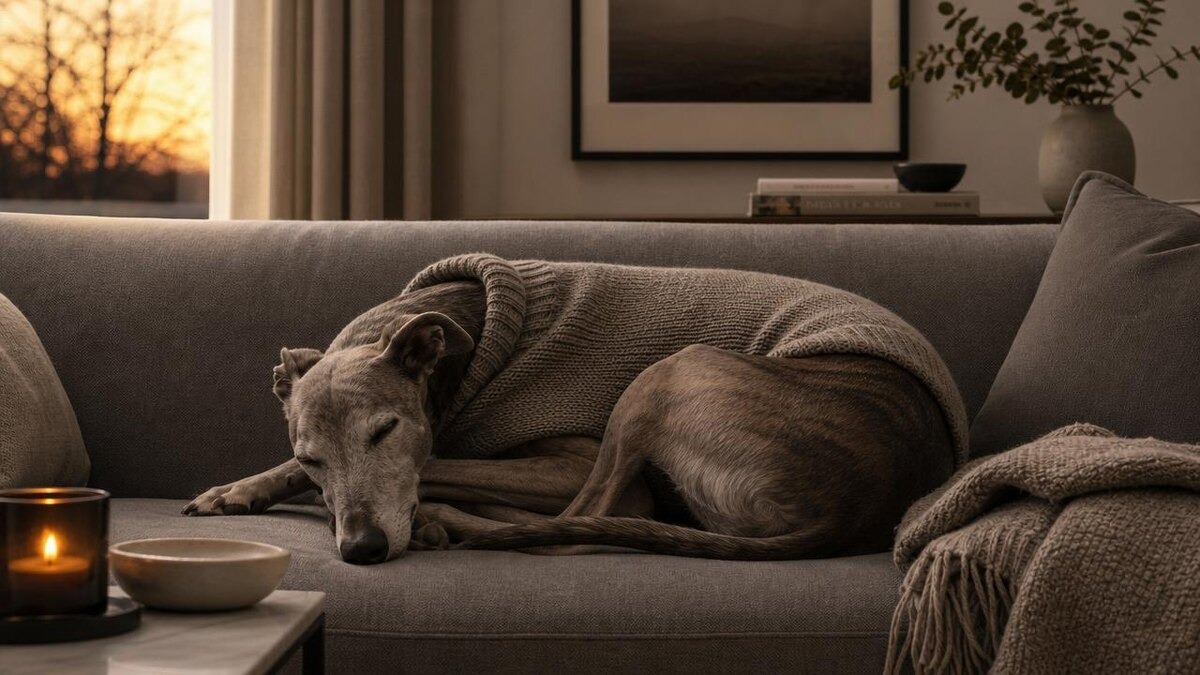
Quiet Dog Breeds Perfect for Apartment Buildings

It’s a familiar scene: it’s seven in the morning on Saturday, and you’re looking forward to an extra hour of sweet sleep. And then, behind the thin wall of your prefab apartment building, your neighbor’s Pomeranian or dachshund starts barking. This ringing, piercing bark seems to penetrate your brain. At that moment, every urbanite finds themselves thinking, “I love dogs, but I really need some peace and quiet!”
The good news: quiet dogs do exist. And we’re not talking about those tame, timid, and strictly trained dogs. There are breeds for which quietness is genetically or even anatomically ingrained.
If you dream of having a dog but are terrified of conflicts with neighbors and headaches, this selection of five silent breeds is your salvation.
1. Basenji: The Dog Whose Bark Was Broken
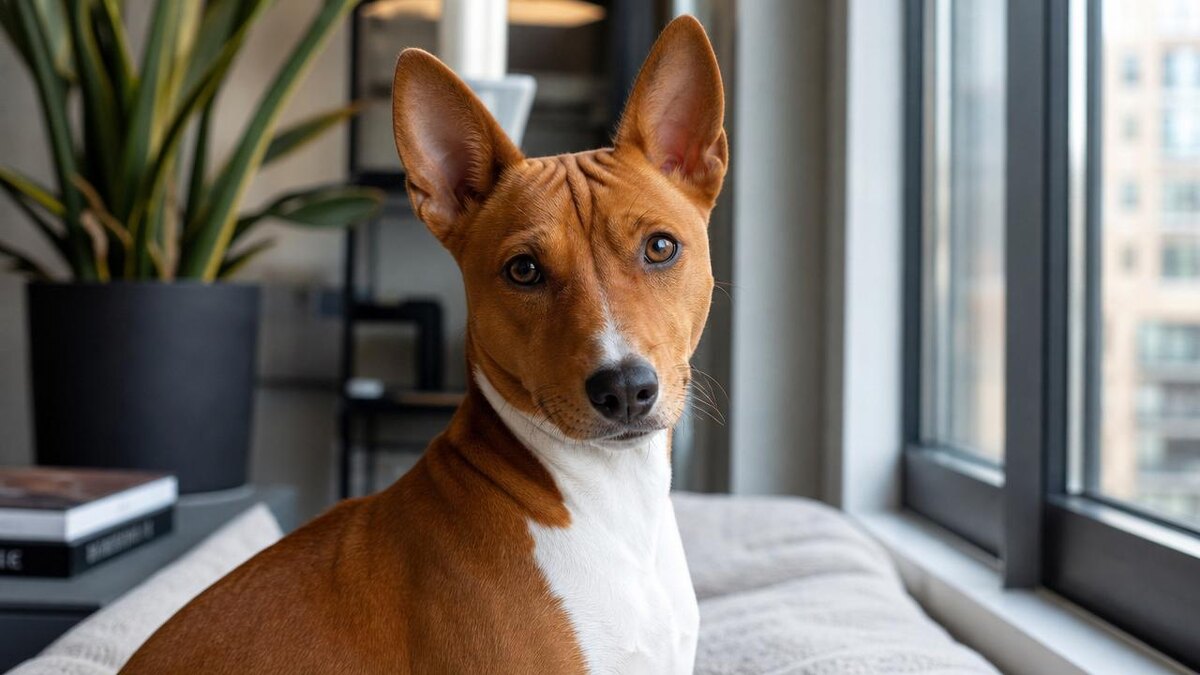
The Basenji is a legendary barkless dog from Africa. This isn’t a metaphor: they are physically incapable of barking like other dogs.
-
What’s the secret? It’s all about anatomy. The Basenji’s larynx is structured differently, and the ventricles of the brain (vocal folds) are flatter.
-
What it sounds like: Instead of barking, Basenjis make a funny purr, sigh, quiet snort, or a distinctive “yodel” (a mixture of a purr and a howl) when they’re very happy or excited. But they rarely do this.
Important: Basenjis are a bundle of pure energy. Yes, they’re quiet, but if you don’t let them run, they’ll turn their creativity to destruction.
2. Greyhound: a noble sofa giant
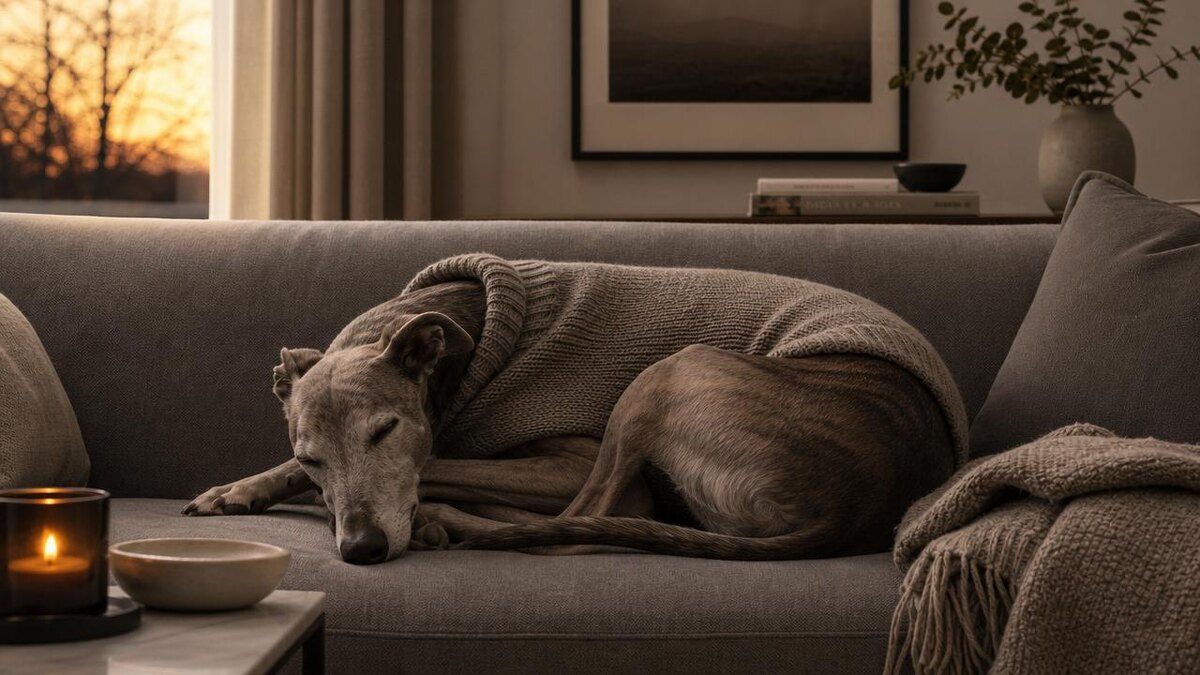
The English Greyhound is the fastest dog in the world. It’s logical to assume it has a ton of energy, which it expends by barking. But at home, the Greyhound is a fluffy rug.
-
What’s the secret? These giants are true aristocrats by temperament. They’re simply too lazy to waste energy on empty noise. When hunting, greyhounds stalk game silently, relying on sight, so they have no reason to bark.
-
Sounds like: Very rarely, a greyhound may make a single “woof” sound if it is very surprised or frightened.
3. Whippet: A pocket copy of silence
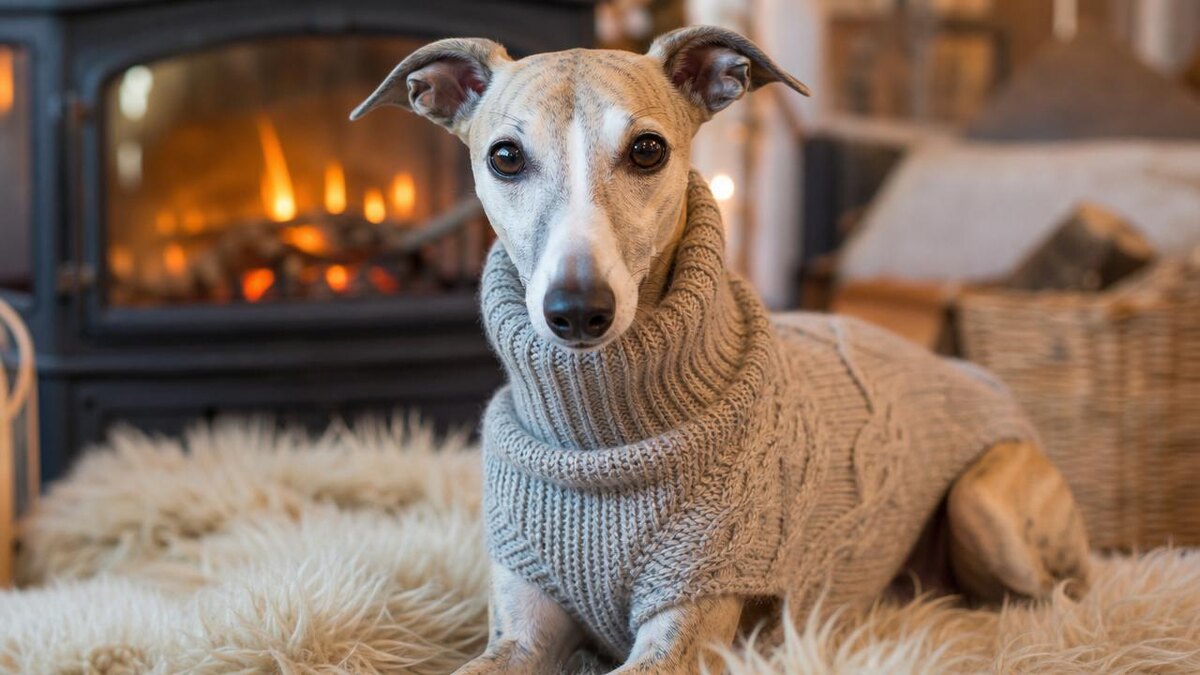
The whippet is the greyhound’s younger brother. It is an elegant, graceful, medium-sized sighthound that fits perfectly into a city apartment.
-
What’s the secret? Like their older brothers, whippets are incredibly gentle and quiet. They prefer to save their energy for outdoor runs.
-
Sounds like: A Whippet would rather come and quietly lay its head on your lap, looking at you with forlorn eyes, than bark for food. They only bark in exceptional cases.
4. Shiba Inu: The Proud Samurai
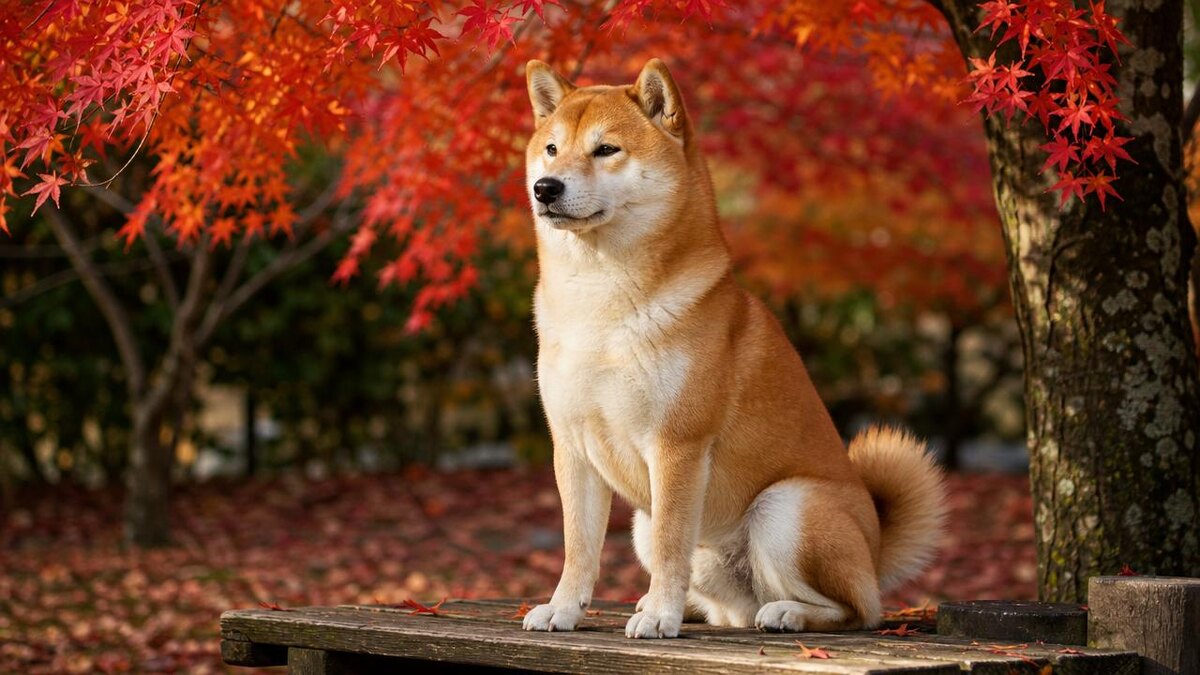
A popular Japanese breed, a meme star, and a favorite of millions, the Shiba Inu is known for its independent, almost cat-like nature.
-
Here’s the secret: Shibas consider barking beneath them. Why make noise when you can express disdain or agreement with a single glance? They only bark when there’s a real threat.
-
What it sounds like: But be careful! Shibas have a famous “shiba scream”—a high-pitched, ultrasonic squeal they emit when under extreme stress (such as when having their nails trimmed or at the vet).
5. Bullmastiff: The Silent Bodyguard
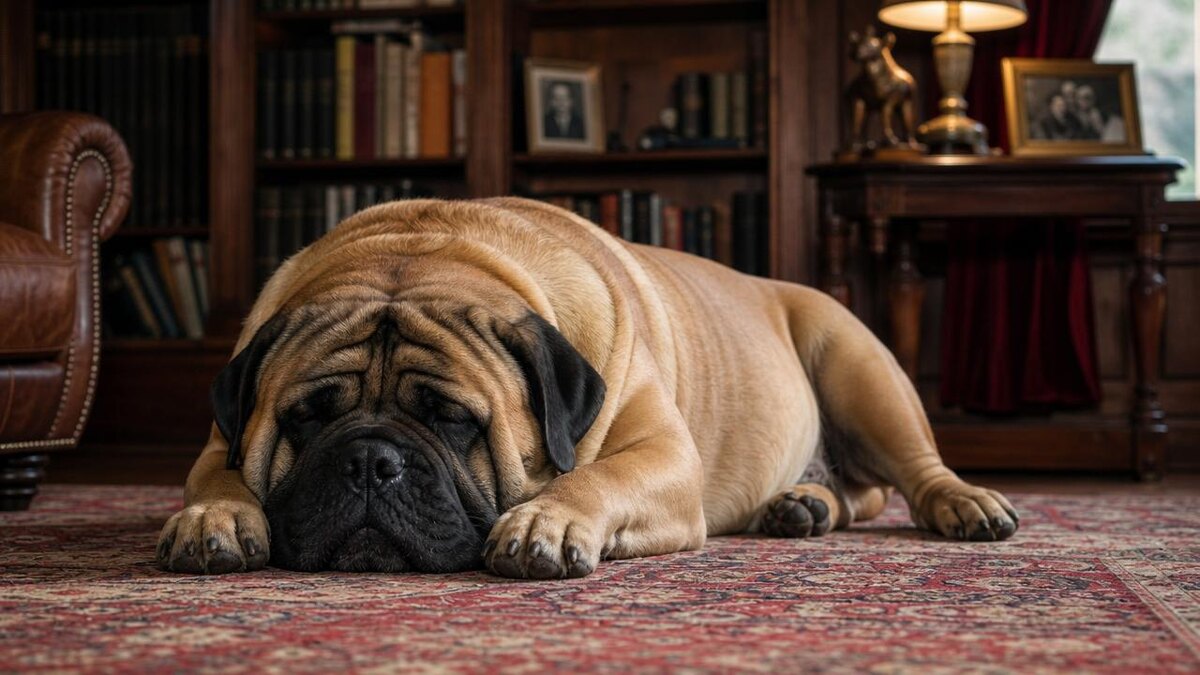
If small and medium-sized dogs don’t appeal to you, take a look at this formidable-looking giant.
-
The secret: The breed was developed in England to help gamekeepers fight poachers. The dog was supposed to silently track the intruder in the forest, approach unnoticed, knock him to the ground, and hold him until his owner arrived. Barking would have given away the ambush, so loud dogs were not bred.
-
Sounds like: The Bullmastiff is as silent as a partisan. The most you’ll hear from him is a heavy sigh, a sniffle, or… a mighty snore at night.
Subtleties of content: what should you be prepared for?
When buying a “quiet” dog, prospective owners often make the mistake of thinking there won’t be any problems. But withholding emotions has its consequences.
-
Destruction instead of barking. Dogs bark as a way to relieve stress. If an active dog (such as a Basenji or Whippet) is locked in an apartment without physical or mental stimulation, it won’t bark. Instead, it will silently chew on your baseboards, shoes, and TV remote.
-
Cat-like behavior. Shiba Inus and Basenjis often behave like cats: they groom themselves with their paws, ignore commands if they’re not interested, and wander off on their own. They need a companion owner, not a dictatorial one.
-
Physiological noise. Bullmastiffs don’t bark. However, they do drool after eating and drinking, and they snore sweetly and very loudly. This can be a challenge for noise-sensitive individuals.
Interesting facts
-
Pharaoh’s Favorites. Images of dogs remarkably similar to Basenjis were found in the tombs of Egyptian pharaohs. They were considered living amulets, protecting against evil spirits.
-
Couch Sprinters. Greyhounds are often called “45-mph sprinters.” They can reach speeds of up to 70 km/h, yet they can sleep up to 18-20 hours a day.
-
Luxurious cleanliness. Basenjis and Shiba Inus absolutely hate dirt. They will avoid puddles and thoroughly lick their paws after a walk. Furthermore, their fur is virtually odorless.
Who is each breed suitable for?
-
The Basenji is suitable for active people who are ready for long walks and quests, and for those who value an independent character.
-
The Greyhound is ideal for large dog lovers who live in spacious apartments and have the opportunity to take their dog out for a run in a fenced vacant lot.
-
The Whippet is the best choice for gentle natures, families with children and those who appreciate comfort.
-
The Shiba Inu is a choice for people with a strong character who are willing to negotiate with the dog and respect its personal space.
-
The Bullmastiff is suitable for an experienced owner who is looking for a reliable, calm and silent protector for a country house or a large apartment.