

5 Dog Breeds That Became Trendy After Movies and Books

In 1996, Dalmatian registrations across North America skyrocketed. Two or three years later, these same Dalmatians ended up in shelters en masse. Between these two events, there was a single movie release season—a typical pattern for breeds “lucky” enough to be featured in a popular film or book. We’ll look at five such breeds.
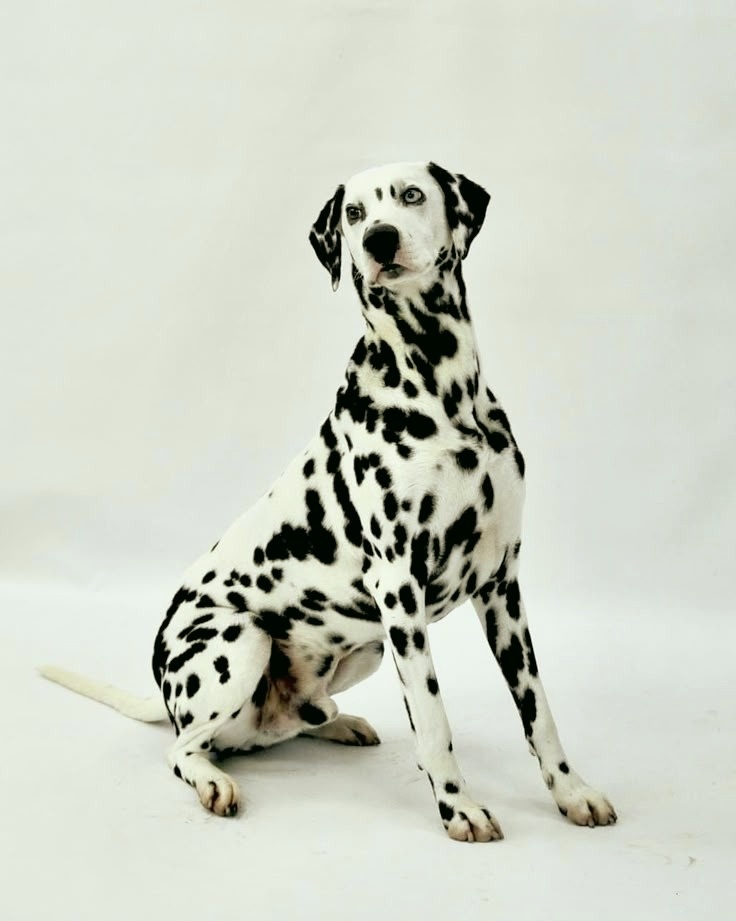
There’s a common term in cynology: the “101 Dalmatians Effect.” It’s named after the 1961 Disney cartoon and its 1996 live-action remake, which saw the Dalmatian breed’s popularity skyrocket, followed by an equally dramatic decline a few years later—in shelters and adoption ads.
The phenomenon works with any breed that’s been widely seen in a movie or book. First, there’s demand for puppies, then owner disappointment, then the breed’s popularity returns to normal. However, many individual dogs don’t survive this cycle—they’re eventually resold, abandoned, or given to shelters.
Cynologist Anna Efremova, an expert with the Russian Cynological Federation, put it this way on the “Sobakin” podcast: “A breed fad is always bad news for the breed itself. It attracts people who choose a dog based on a picture, not a lifestyle.” Below are five breeds that have been particularly affected by this phenomenon.
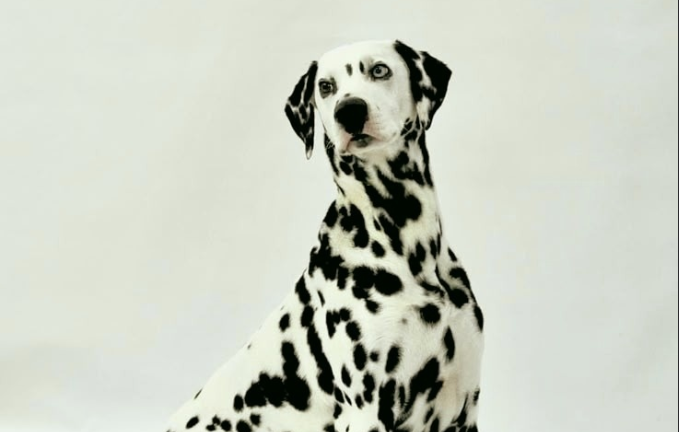
1. Dalmatian – a dog from a Disney cartoon
A textbook example. Before the release of the Disney animated feature film “One Hundred and One Dalmatians” in 1961, the breed was well-known but not widespread—it was primarily known as the “carriage dog” of 19th-century English aristocratic culture.
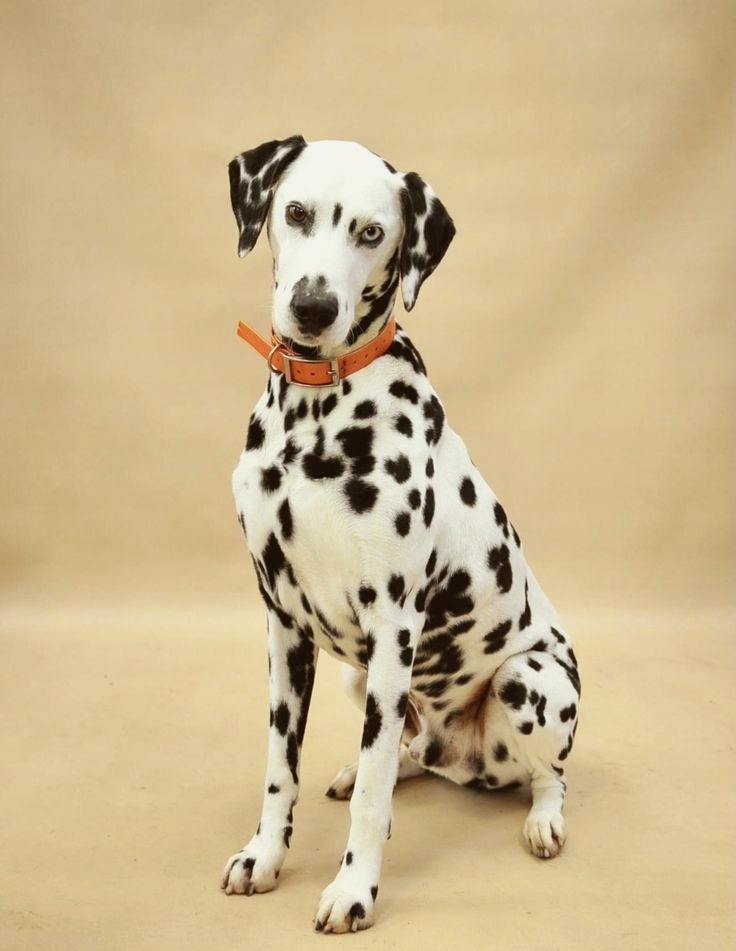
After the cartoon’s release, everything changed. According to the American Kennel Club (AKC), Dalmatian registrations in the US increased more than sixfold during the 1960s. A second peak occurred in 1996, after the live-action remake starring Glenn Close as Cruella De Vil. In 1997 alone, registrations increased by 35%.
What follows is a typical scenario. Buyers failed to realize that Dalmatians were bred as companion dogs for carriages, running alongside the carriage. The norm for exercise is several hours of vigorous exercise per day. Without this, in a city apartment, the breed turns into an unruly dog with destructive energy. In a 1997 article, “Disney Effect on Dalmatians,” The New York Times described how American shelters were overwhelmed by a wave of rehomings: by 1999, the number of abandoned Dalmatians had tripled compared to pre-cartoon levels.
Today, the Dalmatian has once again become a “quiet” breed in popularity. In Russia, registration is stable, with no fluctuations. This is the best possible outcome for the breed itself.
2. Collie – Lassie’s dog
The story here is even longer. In 1940, English writer Eric Knight’s novel “Lassie Come Home” was published. A Hollywood film of the same name followed in 1943. From then until the late 1970s, Lassie films and TV series were released almost continuously.
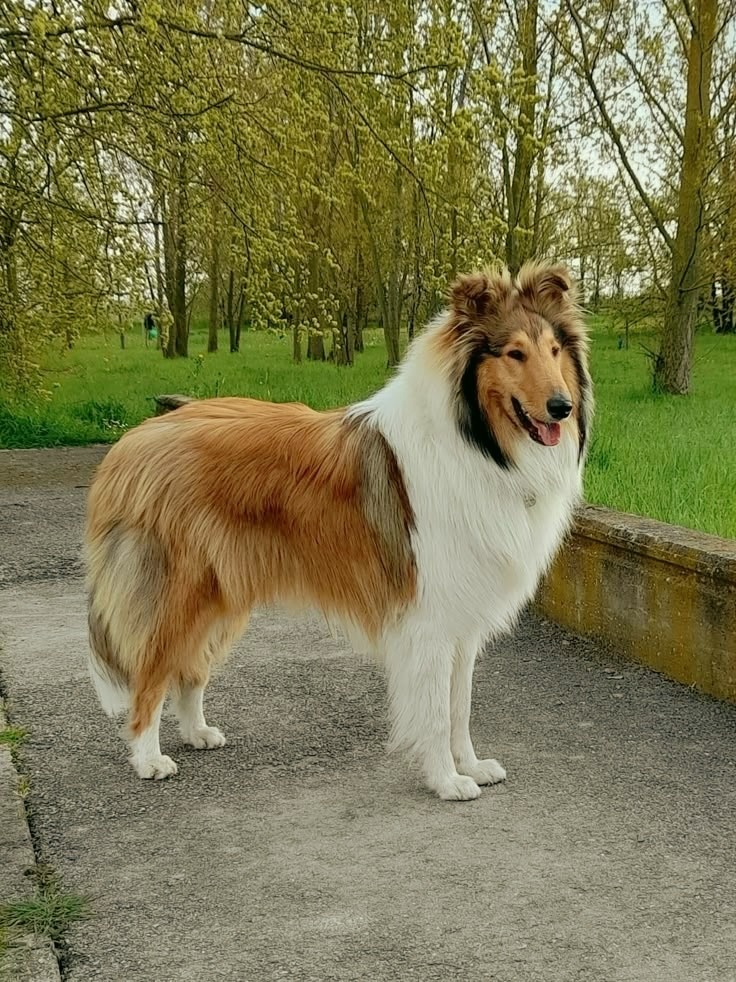
The result was the longest “fashion cycle” in the history of cynology. Collies (or more precisely, the rough collie—the Lassie breed) remained among the most popular breeds in the United States for over thirty years. By the mid-1970s, up to 90,000 puppies of this breed were being registered annually in the country.
The collie came to Russia later, during the Soviet period, primarily through translated books and films. Cynologist Tatyana Ivanova, an expert with the Russian Collie Federation, noted in an article for the magazine “My Friend Dog” that in the late Soviet Union, the collie became a prestigious city dog, and was regularly “gifted to children”—because Lassie “protected the child” in the book.
The problem is that the real breed and the film version don’t completely match. The Collie is a herding dog, bred in Scotland to work with sheep. High sensitivity, low tolerance for noise and chaos, and a need for activity are typical traits of a herding breed. In a family with small, noisy children and without regular walks, the dog often becomes nervous, begins to bark excessively, and loses its appetite.
The boom subsided by the 1990s, and collies gradually returned to their normal popularity. Today, the breed is growing steadily, but has finally moved beyond the “default family choice.”
3. Siberian Husky – a Game of Thrones and Instagram star
The story with the husky is quite recent – and therefore especially revealing.
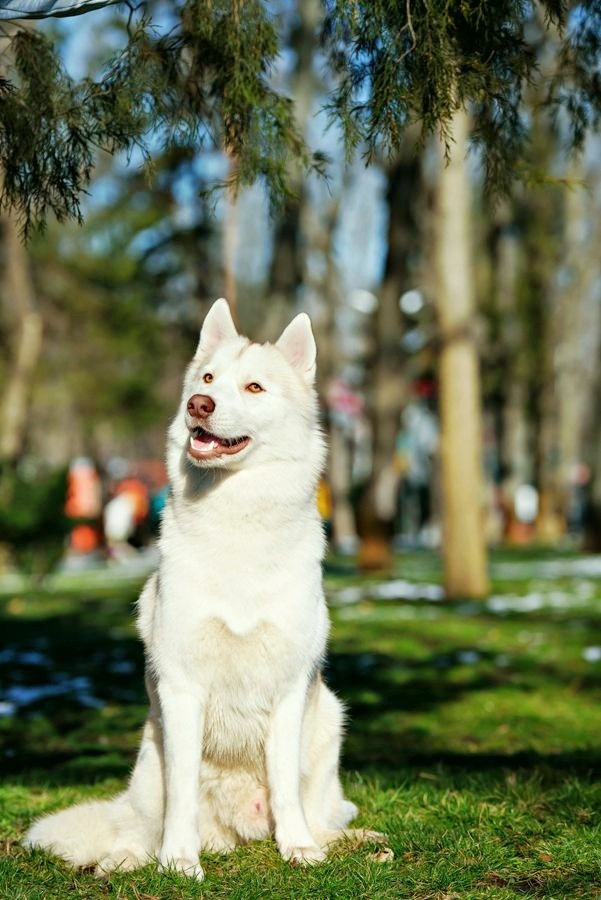
The breed has been known since the early 20th century as a sled dog. It gained notoriety thanks to the story of the 1925 Nome vaccine race and the associated statue of a sled dog named Balto in New York’s Central Park. In 1995, the release of the Disney cartoon “Balto” gave the breed a small boost in popularity, but not a catastrophic one.
But the real boom began in 2011. In the series “Game of Thrones,” the Stark direwolves were portrayed by huskies, and photos of puppies and youngsters of the breed filled the media. At the same time, an Instagram boom began: the husky’s blue eyes and photogenic smile made it one of the most photographed breeds on social media.
In Russia, the wave was powerful. According to the Russian Federation (RKF), husky registrations increased four- to five-fold from 2012 to 2016, and the breed entered the top ten most popular in major cities. And from 2017 to 2018, kennel clubs and shelters began receiving a massive influx of abandoned dogs.
The reason is the same as with Dalmatians. Huskies were bred by the peoples of northeastern Siberia as sled dogs, requiring a daily walk of 40–60 kilometers. In an apartment without two hours of vigorous exercise, the breed destroys furniture, howls, and digs. Canine expert Ekaterina Senashenko, author of “Husky: Home and Character,” estimated in an article for Pets Mail that up to 60% of buyers of the breed were unable to handle the dog after its introduction into the family and parted with it within two to three years.
4. Akita Inu – the dog after the movie “Hachiko”
A Japanese breed known in Japan for centuries, but long considered exotic in Russia and many other countries, everything changed with one film—the 2009 film “Hachiko: A Dog’s Tale,” starring Richard Gere, which brought awareness of the Akita Inu to the masses.
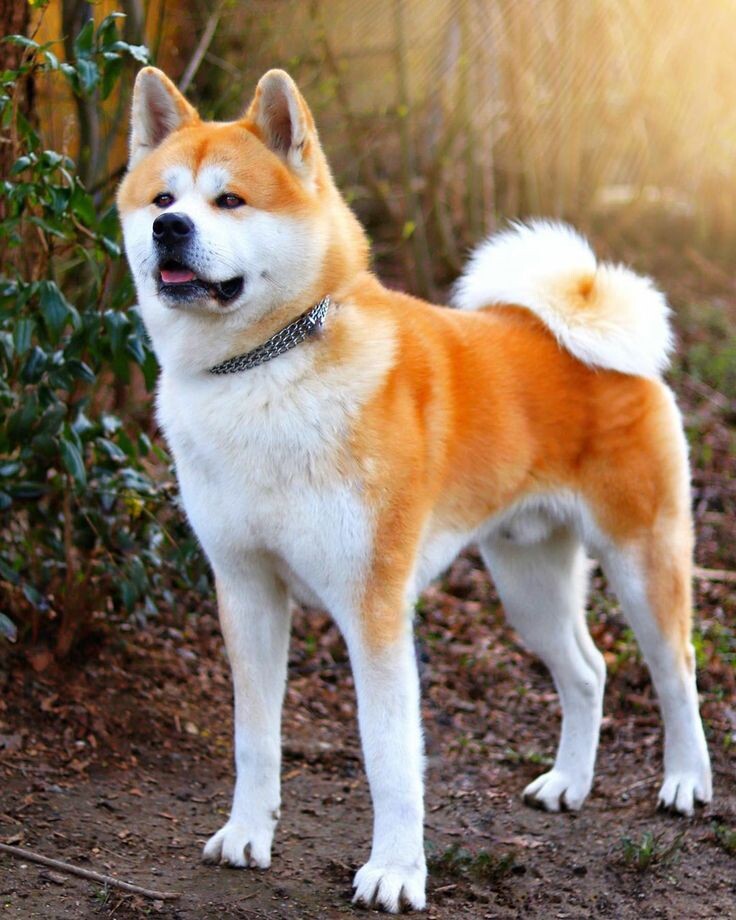
The story of a dog waiting for its owner for nine years at a Tokyo train station struck a powerful chord with viewers. According to the Japan Kennel Club (JKC), Akita Inu registrations in Japan increased by 15% in 2010—a significant figure for a long-established national breed. In Russia, the growth was even more significant: from 2010 to 2014, the breed was registered with the Russian Kennel Federation ten times more often than in all previous years combined.
The scenario repeated itself. Buyers wanted a “loyal dog like in the movies,” but instead received a Japanese guard dog with a very specific personality—independent, stubborn, and wary of strangers. Olga Ivanova, breeder of the Sakura kennel, noted in an article on the Zooinform portal: “The Akita Inu is a dog for one owner and one home. It doesn’t fit in with a family with guests every weekend. It’s even less so with a small child.”
By 2017–2018, a stable category of “post-Hachiko Akita Inu” had emerged in Russian shelters. These are dogs aged 5–7 years who were bought on the heels of the film and surrendered when it became clear their temperaments didn’t match expectations.
5. Jack Russell Terrier – the dog from The Mask and Frasier
This breed was made famous by two screen projects. First, the series “Frasier” (1993–2004), where a dog named Eddie became a fan favorite for eleven seasons. Then, the film “The Mask” starring Jim Carrey (1994), where a Jack Russell named Milo shared half the actor’s screen time.
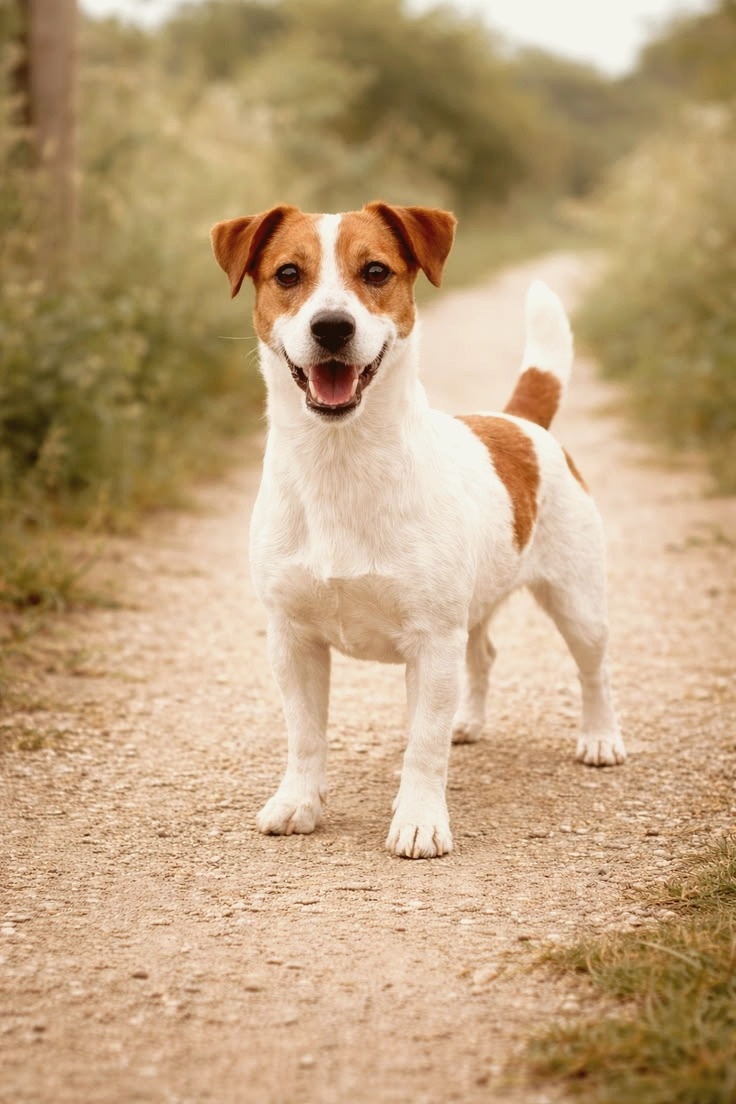
As a result, by the mid-1990s, the Jack Russell had become one of the top ten most registered breeds in the United States. In the UK, the breed’s homeland, registrations doubled in five years. In Russia, the wave arrived a little later—the main surge of interest began in the late 2000s, when “Mask” and “Fraser” were widely shown on Russian television.
Once again, there’s a discrepancy between the on-screen image and the real breed. The Jack Russell is a hunting terrier, bred in England in the 19th century to hunt foxes. This dog has the same energy as a breed twice its size. It can leap up to five feet from a standing start, dig in any weather, and have the stubbornness of a good lawyer.
Canine expert Alina Sher, a specialist in hunting breeds, explained on the Sobakin podcast: “Buyers call and say, ‘We like the one in Jim Carrey, just as funny.’ I tell them honestly: it might be funny, but you won’t.” Most Jack Russells were returned to shelters for precisely this reason—the breed turned out to be much more energetic, stubborn, and noisy than they appeared on screen.
What do these waves have in common?
Looking at all five stories together, a pattern emerges. The film image depicts a dog in a specific scene, trained in a specific way, and filmed from a specific angle. A real breed is a set of instincts, needs, and personality traits that manifest themselves not on a film set, but at six o’clock on a Saturday morning when the owner wants to sleep.
The husky in the series doesn’t howl at the sound of an ambulance siren outside the window at night. The Dalmatian in the cartoon doesn’t destroy the apartment after an hour of solitude. The Akita in the film doesn’t ignore commands or bare its teeth at the delivery man. The collie on screen is always obedient because it took 12 hours to prepare for one take. The Jack Russell doesn’t dig up the couch—it only digs when the camera is on.
This doesn’t mean movies are bad. It just means there’s a gap between the movie image and the real dog. The more an owner understands this gap before buying a puppy, the less likely the dog is to end up in a shelter two years later.
And one more caveat, without which it’s impossible to talk about breed trends. A particular dog within a breed may be calmer, friendlier, or easier to train than the “average” dog. And vice versa, too. Selective breeding creates probabilities, not guarantees. Therefore, when choosing a puppy, dog experts recommend looking at the parents, the breeder, and the litter’s living conditions—this provides far more information than any film or book.
And finally, if you’re looking to get a dog “like in the movies,” it’s best to first watch a documentary about the breed in real life. Preferably filmed at the owner’s home on a typical weekday evening.
Have you or someone you know ever adopted a dog inspired by a movie, cartoon, or book? It’s especially interesting to hear how the real dog differed from the image you saw on screen.