

Why are Chihuahuas aggressive? 5 real reasons for their aggressive behavior

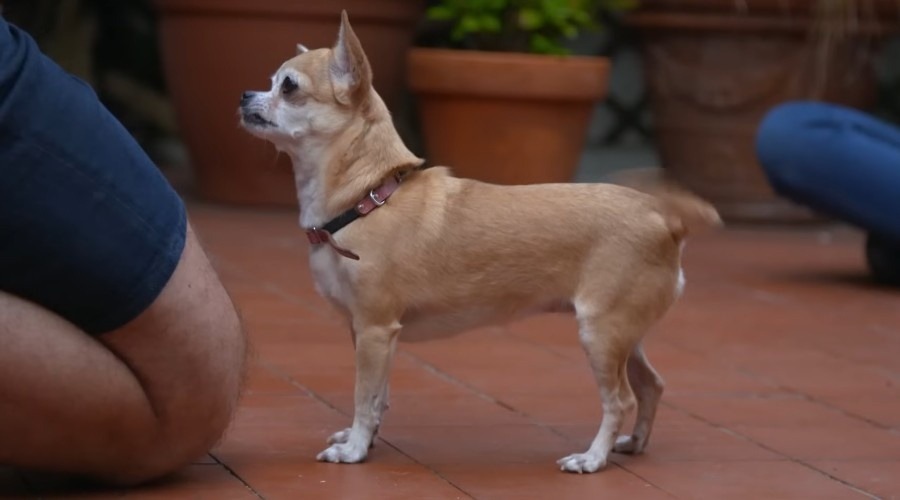
Chihuahuas are the smallest dogs in the world, but their temperament is often compared to a powder keg. Owners of these tiny dogs often encounter unexpected belligerence. This small dog is ready to fearlessly attack even the largest Great Danes and bark loudly at passersby. What’s the reason for this behavior?
Many people believe that Chihuahuas’ viciousness is an innate trait, but this is a dangerous misconception. Aggression in small dogs is always a complex issue. It stems from genetics, training errors, and defense mechanisms. Let’s look at the five main reasons why these sweet pets turn into domestic tyrants.
1. Small Dog Syndrome
The main cause of conflict is compensating for their tiny size. Chihuahuas are acutely aware of their vulnerability in a vast world. Every object around them seems a potential threat. Barking and growling become preemptive attacks. The dog tries to scare others before they are harmed.
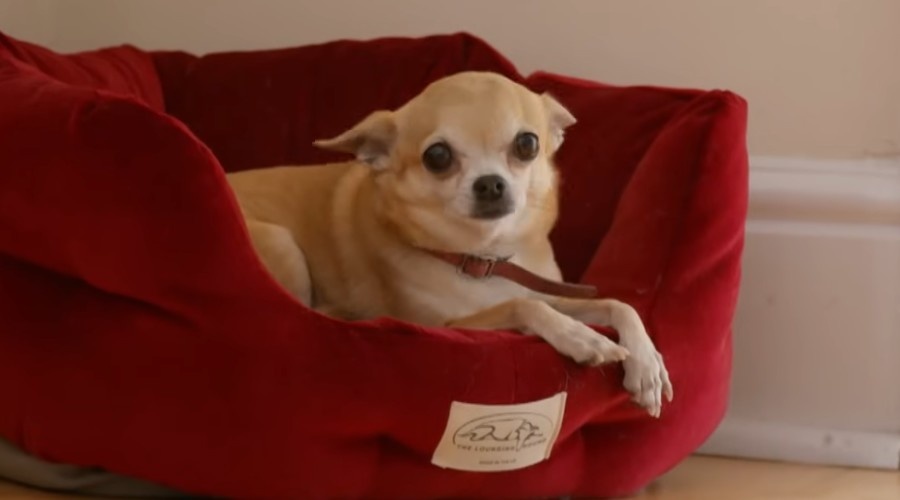
Owners often encourage this behavior, finding it amusing. When a tiny, two-kilogram dog growls menacingly, it brings a smile. But for the animal itself, it’s extremely stressful. Without the owner’s supervision, fear quickly develops into a persistent habit of attacking anyone they encounter.
2. Lack of socialization and training
Small dogs are rarely given proper training. Owners assume that little ones don’t need commands like “heel” or “no.” As a result, the puppy grows up isolated from the outside world. It doesn’t learn how to properly interact with other animals. Any unfamiliar dog triggers panic and rage.
Proper socialization is critical in the first months of life. Chihuahuas need to see different locations, hear street noises, and meet people. Without this experience, a dog’s psyche remains fragile. Any new stimulus provokes defensive aggression, which is difficult to correct later.
3. Violation of personal boundaries by a person
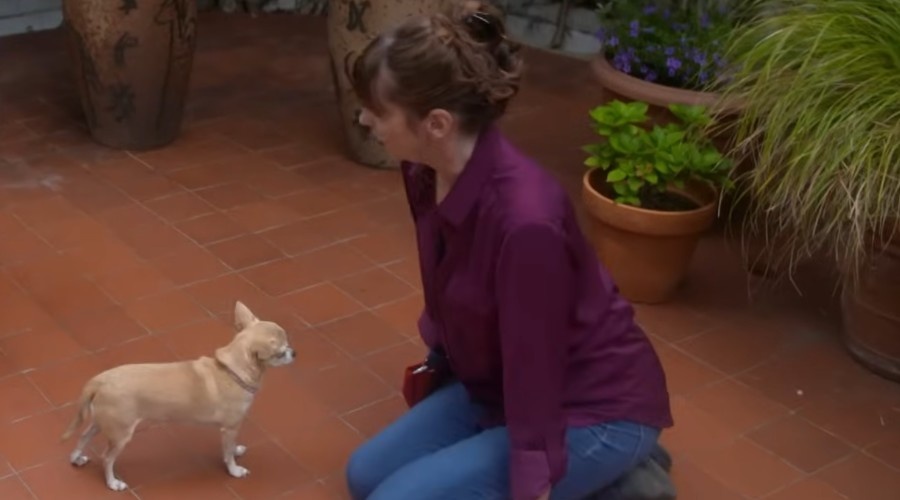
People often treat Chihuahuas like living toys. They are constantly squeezed, passed from hand to hand, and forcefully hugged. The animal’s signs of discomfort are ignored. The dog first turns away, licks its lips, and tenses. When this doesn’t work, it resorts to using its teeth.
The tiny dog quickly realizes the ineffectiveness of gentle warnings. If growling doesn’t stop the dog’s insistent hands, biting becomes the only defense. In this way, the person is forcing the dog to be aggressive. The dog is simply trying to assert its right to privacy.
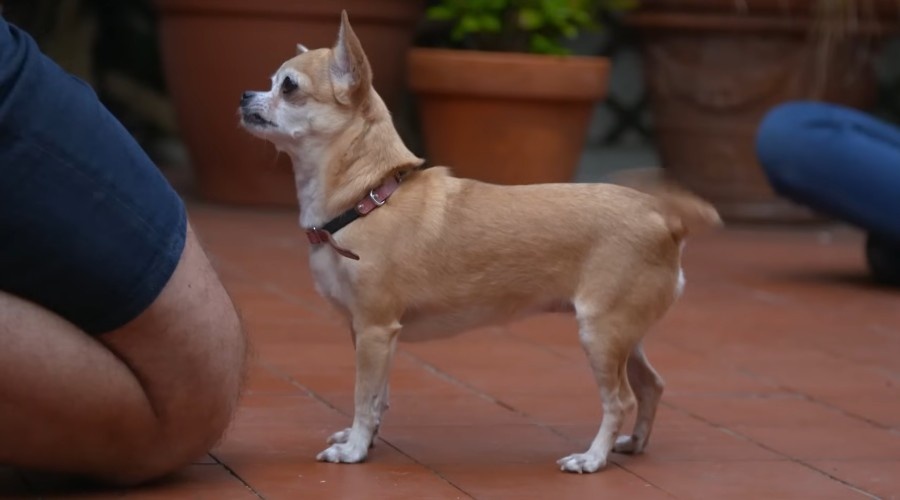
4. Overprotection and “hand syndrome”
Many owners literally refuse to let their Chihuahuas off the ground. At the slightest imaginary sign of danger, they jerk the dog up. While in their owner’s arms, the dog feels completely safe. It begins to feel permissive and actively transmits aggression downwards.
Such overprotection completely disrupts the dog’s natural behavior. It doesn’t learn to independently assess its surroundings and trust the world. Heights give it a false sense of dominance. As a result, the Chihuahua begins to fiercely guard its owner from everyone, including family members.
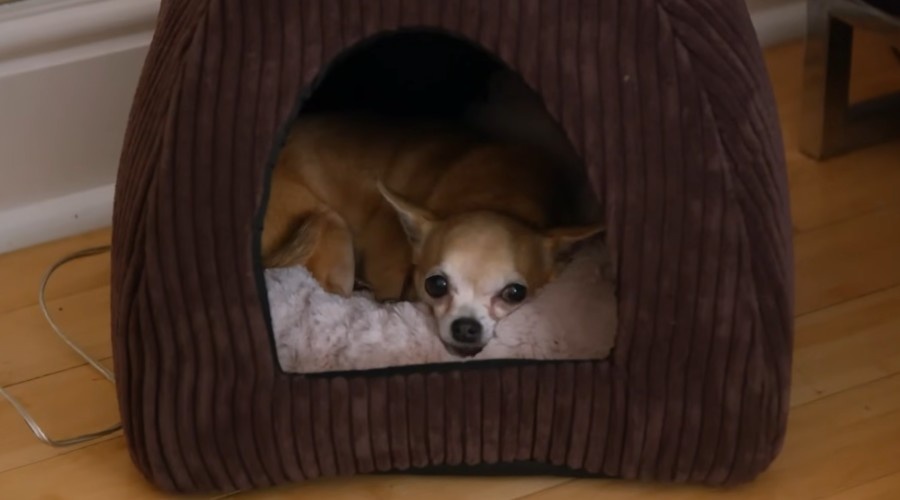
5. Genetics and health problems
The breed’s popularity has led to uncontrolled breeding for profit. Unscrupulous breeders often ignore the parents’ psychological needs when mating. As a result, puppies are born with unstable nervous systems. Shyness and hysteria are inherited and easily develop into malice.
Aggression can also signal underlying physical pain. Chihuahuas often have joint and dental problems, or even hydrocephalus. If a dog suddenly becomes irritable, it may be because it’s feeling unwell. The dog bites because any touch causes it pain.
Basic recommendations
Chihuahua aggression shouldn’t be ignored or attributed to breed characteristics. It’s a manageable behavior that requires patience. Start with a visit to the veterinarian to rule out any underlying medical conditions. If your pet is healthy, reassess your approach to training and daily activities.
Treat your Chihuahua like a fully grown adult dog. Allow it to walk on a leash, using its own paws, rather than sitting in a bag. Teach it basic commands and discourage any attempts to nip at your legs. Remember: discipline and respect for your dog’s boundaries will make it a loyal and peaceful companion.