


How to Understand What Your Dog is Saying? 7 Secrets to Communicating with Dogs

Every day, dogs “speak” to us without using words. They wag their tails, bark loudly, lick us, play, and display a wide range of emotions. But to understand what a dog is trying to say, you need to be able to “listen.” And listening means noticing everything a dog does: how it holds its tail, the sounds it makes, what it does with its ears and eyes.
It’s like opening a book without words. Learning to “read” your dog isn’t that difficult if you know a few rules. In this article, we’ll explain how to recognize the signs dogs give and what they mean. This will help you better understand your four-legged friends and reciprocate their affection.
Invitation to the game
Dogs often invite play by adopting a distinctive pose. They lower their head and front paws to the ground, while their hindquarters remain elevated, with their tail raised and wagging. This resembles a bow or a low curtsy. The dog’s way of saying, “Look how fun this is, let’s play!”
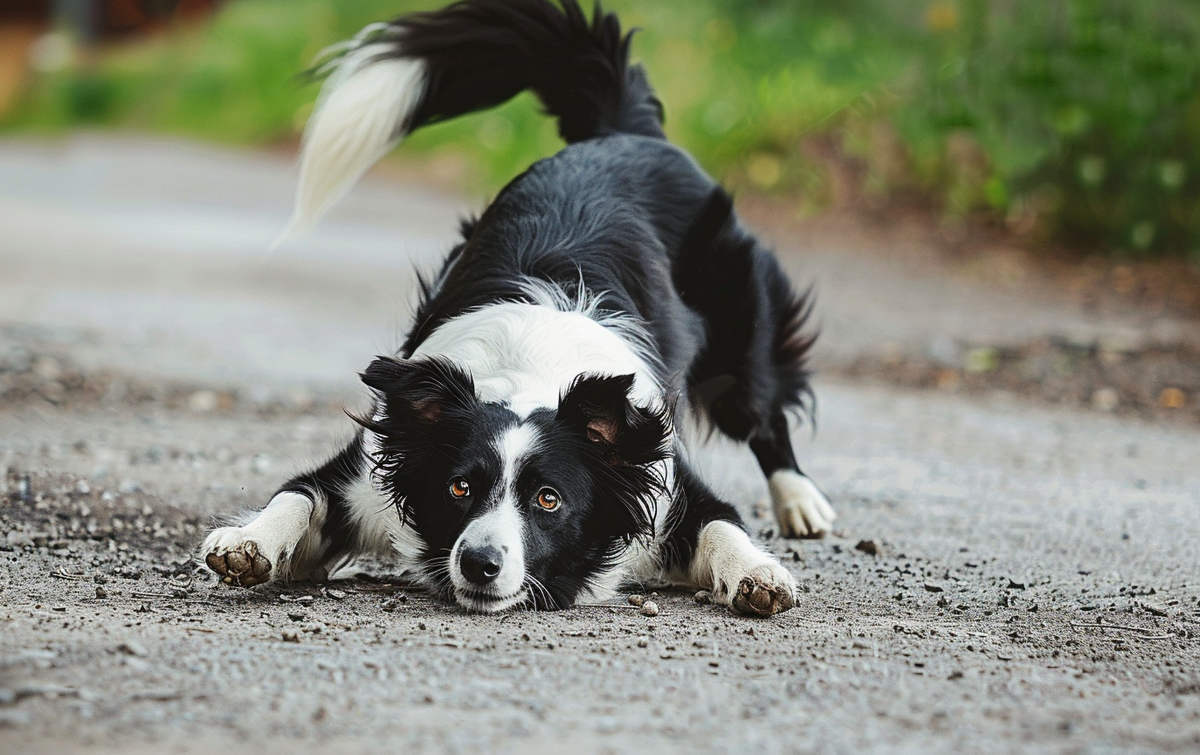
This gesture shows that the dog is in a good mood and poses no threat. It wants to be included in the game. This can be an invitation to both other dogs and people. If you see and understand the signs your dog is giving, you can give it the attention it needs and spend time together playing its favorite games.
Gestures of submission
Submission gestures are a dog’s way of showing that it doesn’t want to fight and is willing to give in. For example, when a dog lowers its head, flattens its ears, and sometimes looks away, avoiding direct eye contact, these movements, along with averted gaze, can communicate, “I’m peaceful and pose no threat.”
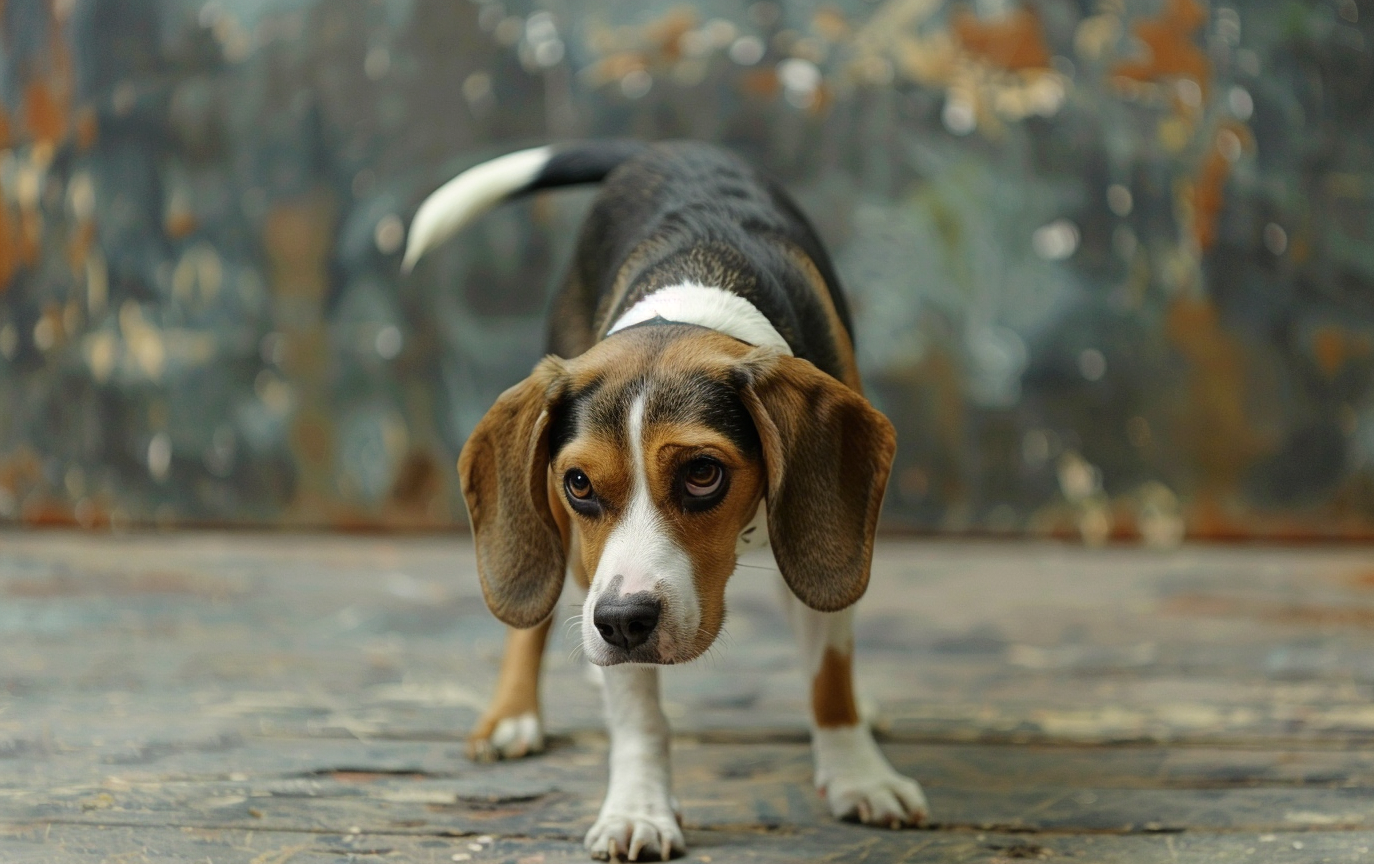
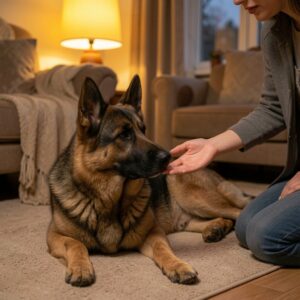
Another expressive gesture with this interpretation is when a dog lies down on the ground, tucking its paws under itself or extending them forward, and sometimes even rolling over onto its back, exposing its belly. This is a sign of the dog’s complete trust in a person or another dog.
Display of aggression
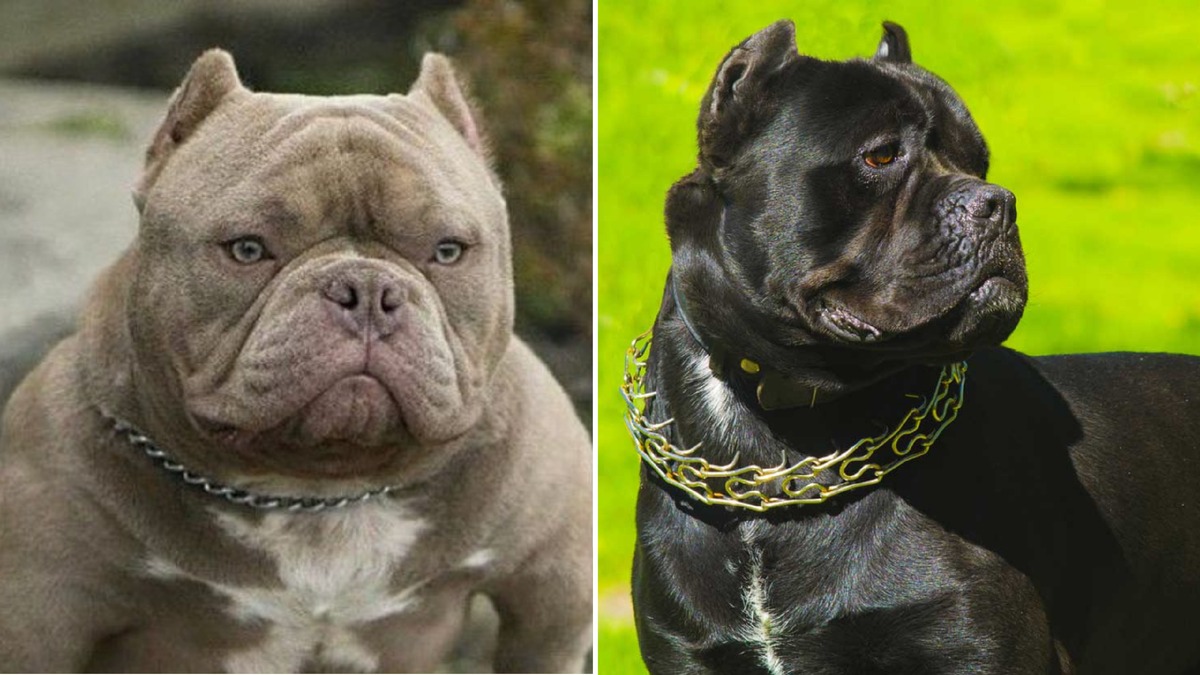
When a dog feels threatened or wants to dominate, this is clearly reflected in its posture and gestures. One clear sign of aggression is a tense stance. Often, the dog will point its body directly at the object it perceives as a threat. The ears may be pricked forward to indicate readiness for action, and the tail may be raised and slightly moving or static.

Signs of aggression often include bared teeth and a deep, warning growl or bark. The dog’s eyes may stare directly at the target, maintaining a firm and challenging gaze. The dog may also emit low warning sounds and even advance forward as if preparing to attack.
If you see these signs of aggression in your dog, it’s important to remain calm and avoid direct confrontation. Avoid making any sudden movements; it’s best to slowly retreat, giving the dog some space. It’s important to demonstrate that you’re not a threat and give the dog a chance to calm down.
Tail wagging
A dog wagging its tail rapidly and widely often indicates joy and excitement. This may be how it greets you when you return home or when you’re getting ready to take it for a walk. Some dogs’ tails wag so vigorously that their bodies begin to move sideways to follow.
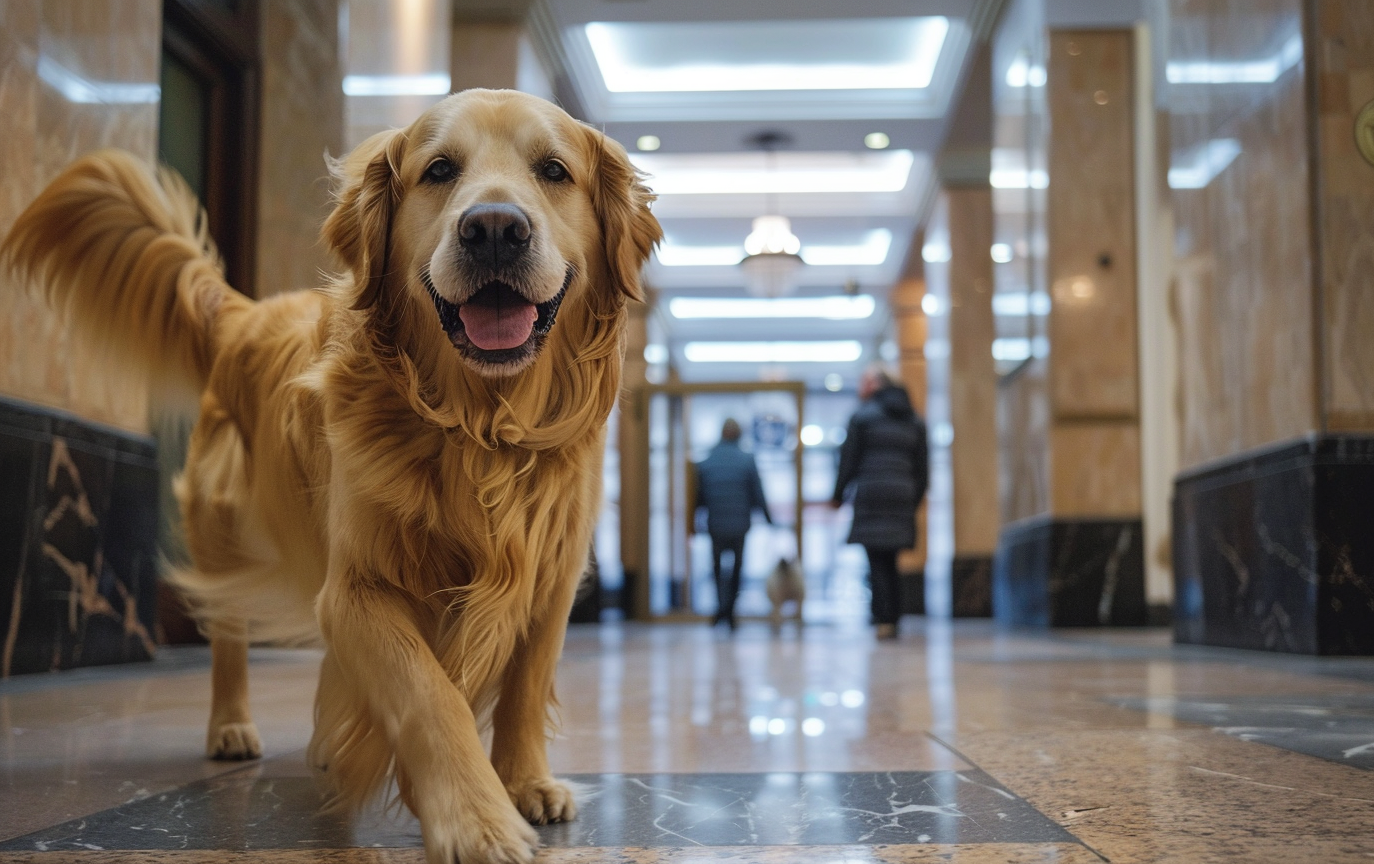
However, if the tail wags in small, rapid movements, it may indicate nervousness or insecurity. A tail held high and wagging slowly may signal dominance or alertness.
A low, motionless tail can be a sign of fear, submission, or a bad mood. It’s also important to pay attention to the tail’s position—if the tail is held tightly against the belly, it indicates greater fear or submission.
By interpreting tail wagging in the context of overall behavior, facial expressions, and circumstances, you can more accurately understand what your dog is trying to say.
The importance of paws and their movements
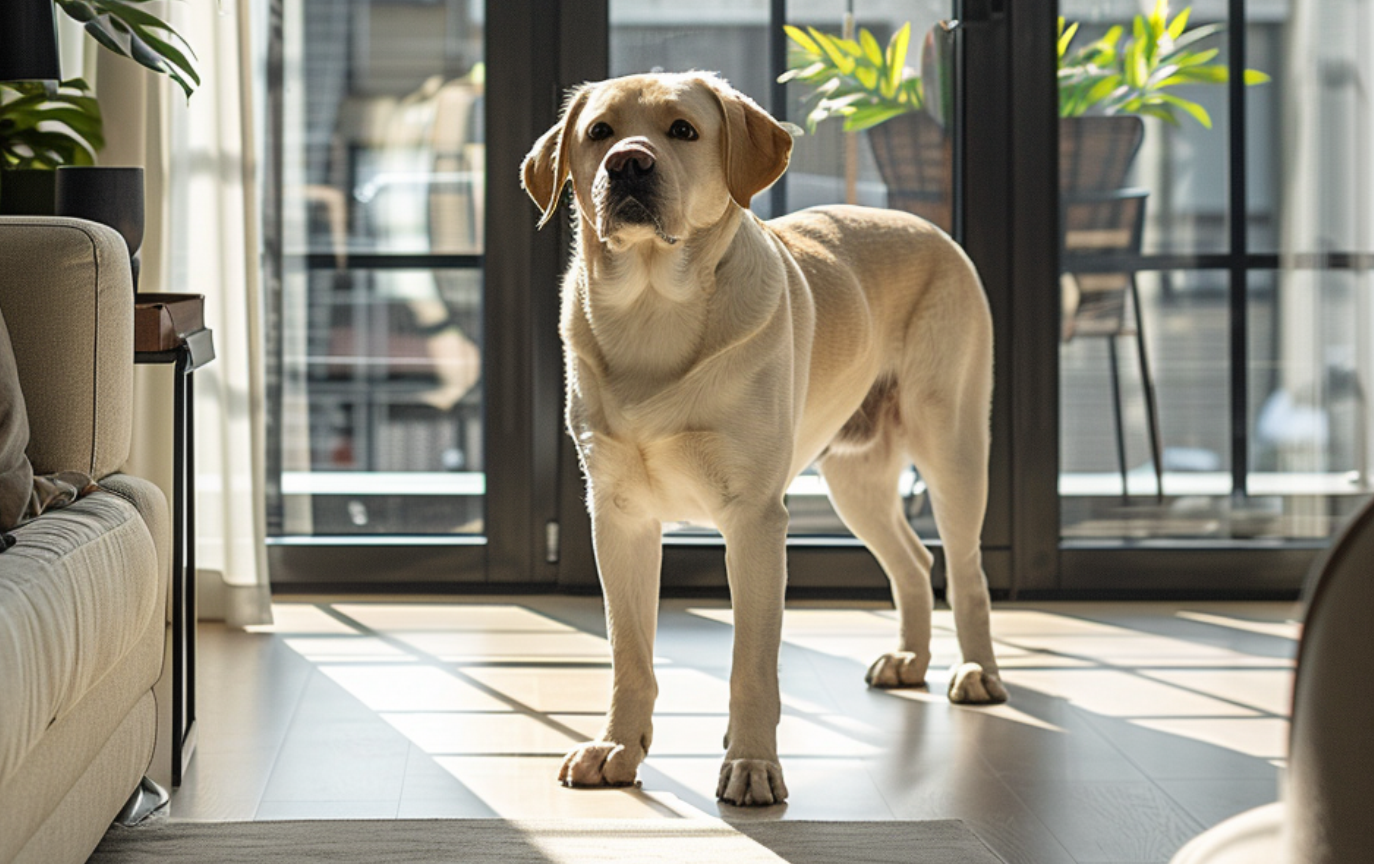
The positioning and movement of a dog’s paws convey important information about its mood. When a dog stands confidently, with its paws evenly spaced under its body, it indicates comfort and calm. This body position conveys stability and calm.
Conversely, if a dog’s paws are shaking or shifting from side to side, it could be a sign of nervousness or insecurity. The dog may be feeling stressed or uncomfortable due to the presence of other animals, people, or the environment in general.
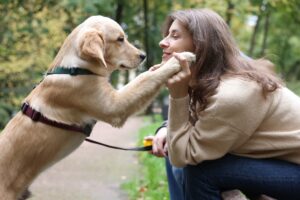
When a dog puts one paw forward, as if pointing at someone or something, it may be a sign of curiosity or a desire to attract attention. When a dog raises its paw when meeting a person or another dog, it shows affection or expects affection.

A dog lying on its side with its paws pulled back often indicates complete relaxation and trust in its surroundings. This is a sign of comfort and a feeling of security, with no need to be on guard.
Observing the paws and their movements helps to better understand the dog’s mood and its attitude to what is happening at the moment.
Ear position
A dog’s ears aren’t just part of the hearing system, but also an important tool for silent “conversations.” The position and orientation of their ears can reveal a lot about a dog’s mood and feelings.
When a dog’s ears are raised and pointed forward, it means they’re alert, interested, or focused. This signifies interest and focus on something in front of them.
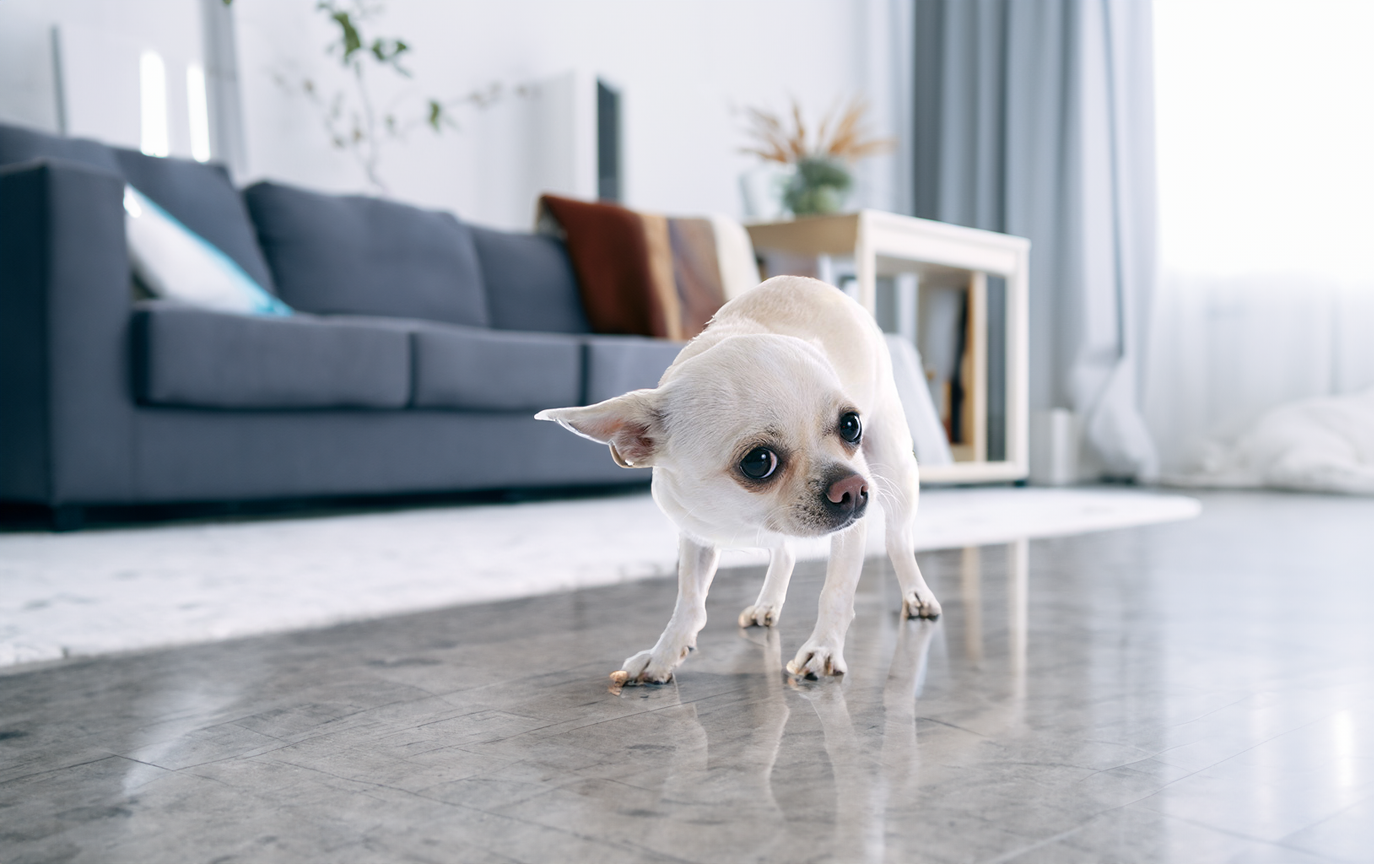
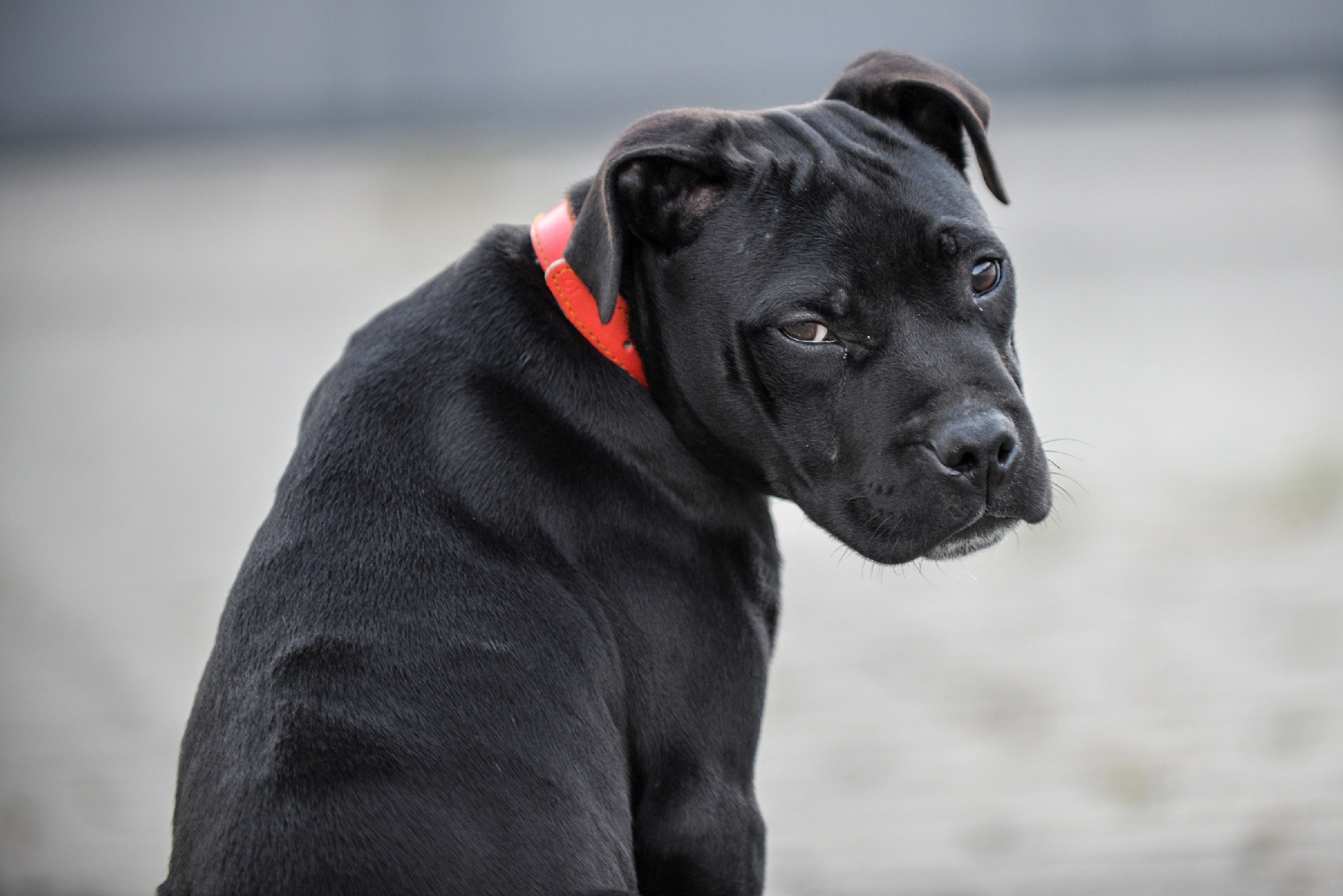
If the ears are pinned back, a dog may be feeling fear, stressed, or submissive. This ear position, combined with a evasive gaze and a lowered head, usually indicates that the dog does not want a confrontation.
Shaking or rapidly moving your ears may indicate irritation or an attempt to get rid of something unpleasant, such as an insect that has gotten into your ear.
Paying attention to your dog’s ears can help you better recognize and anticipate your pet’s behavior, which helps with communication and training.
Interpreting dogs’ body language isn’t always easy, but knowing the key differences between their gestures can help you understand what they’re feeling and what they want. Understanding these nuances can help you avoid misunderstandings or conflicts with your pet.